
July 29, 2026
For a long time, there’s been a dangerous myth circulating in our communities: that suicide is "not a Black thing." We’ve been told that our resilience is unbreakable, that our faith is our only shield, and that "being a man" means carrying the weight of the world without ever bending.
But the data is telling a different, much more urgent story.
As we continue our July 2026 series, Staying Grounded in the Storm, we have to face a reality that is as heavy as it is heartbreaking. According to recent CDC mortality data analyzed by Capital B News, the suicide death rate for Black Americans increased by a staggering 53% between 2014 and 2024.
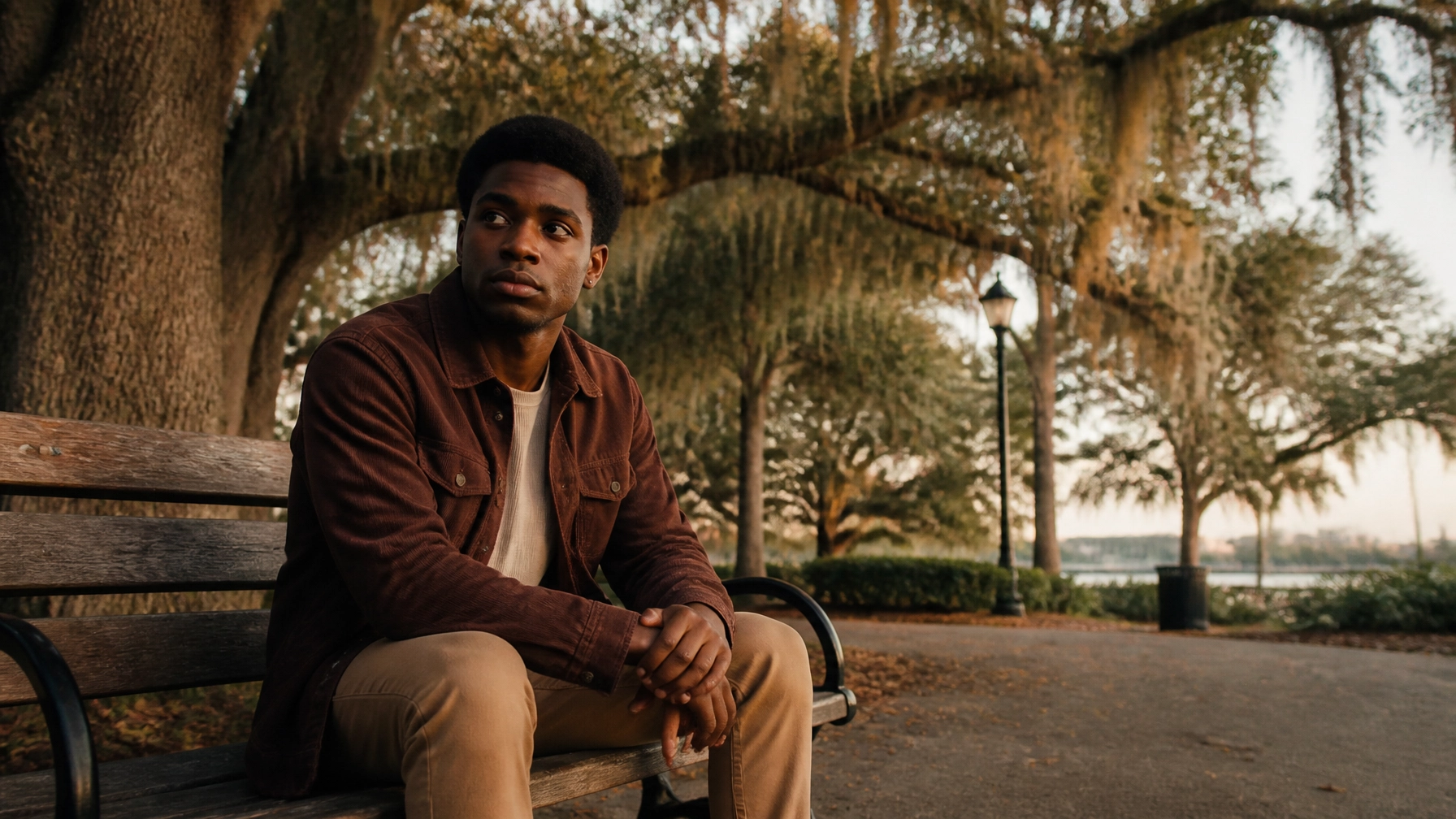
While that number is alarming on its own, the most devastating shift is happening among our young men. For the first time on record, Black boys and young men ages 16 to 29 are dying by suicide at higher rates than their white peers. Specifically, Black men between the ages of 20 and 24 are facing the highest risk, with a death rate of 31.9 per 100,000.
I’m Rodrego Way, Licensed Professional Counselor Supervisor, and I’m telling you: the storm isn't just outside: it's inside. And we need to talk about why our brothers are hurting so deeply.
The Weight of the "Strong Black Man"
In my work at The Mind and Therapy Clinic, I often see the physical and emotional toll of what psychologists call "John Henryism." Named after the legendary steel-driving man who worked himself to death to outpace a machine, it refers to a coping style where Black men use high-effort, relentless hard work to overcome structural racism and economic stress.
We’ve been conditioned to believe that if we just work harder, stay stronger, and ignore the pain, we’ll survive. But eventually, the body and the mind keep the score. When you combine that cultural pressure to be "invincible" with the reality of historical trauma, you get a recipe for profound hopelessness.

For many young Black men, suicide isn't necessarily about wanting to die; it’s about needing the pain to stop. It’s the result of a "trauma response" to a world that often feels like it doesn't have a place for your vulnerability or your peace.
Political Stress and the Digital Trauma Loop
We can’t talk about the rise in suicide rates without talking about the world we live in right now. The political stress and racial trauma of the last decade have been relentless.
Think about what a 20-year-old Black man has seen in the last ten years. He has grown up with a front-row seat to police violence, systemic inequality, and a political landscape that often debates his very humanity: all streamed directly to his phone 24/7.
Social media is a double-edged sword. While it has helped destigmatize therapy, it also acts as a "trauma reel." When you are constantly bombarded with videos of people who look like you being mistreated, your brain stays in a constant state of "fight or flight." Over time, that chronic stress leads to burnout, depression, and a sense of "Why am I even trying?"
This is what we call community trauma recovery: acknowledging that your individual struggle is often a reaction to a collective environment that is unwell.
Why "Traditional" Help Isn't Always Enough
One of the biggest reasons these rates are climbing is that Black men often don't feel safe in traditional clinical settings. If you walk into a therapist's office and they don't understand the nuance of your experience: if they don't get the difference between a clinical "delusion" and a legitimate fear of systemic bias: you aren't going to stay.
In states like Texas, Georgia, and Florida, where Black populations are large, we see a massive number of deaths because the access to culturally competent care is still lagging. Men of Color need therapists who look like them, or at the very least, therapists who are trained in the specific psyche of the Black male experience.
At the Mind and Therapy Clinic, we focus on transforming trauma into triumph by creating a space where you don't have to explain your culture before you can explain your pain.

Staying Grounded: How We Fight Back
Healing is an act of resistance. When the world tries to convince you that your life is disposable, choosing to stay: and choosing to be well: is the most powerful thing you can do.
If you are feeling the weight of the storm, here are a few ways to start grounding yourself:
- Audit Your Digital Intake: If your social media feed is making you feel hopeless, it’s time to mute or unfollow. You are allowed to protect your peace.
- Redefine Strength: Real strength is the ability to say, "I’m not okay, and I need a hand." Vulnerability isn't a weakness; it’s a tool for survival.
- Find Your Tribe: Isolation is where suicidal ideation thrives. Reach out to a brother, a mentor, or a friend. We were never meant to carry this weight alone.
- Seek Professional Guidance: You don't have to be in a "crisis" to go to therapy. Therapy is about building the resilience you need before the next wave of the storm hits.
A Note to the Families
If you have a young man in your life who seems withdrawn, irritable (which is often how depression looks in men), or "too strong," reach out. Don't wait for him to come to you. Check in on the "strong" ones. Ask the hard questions.
We are losing too many of our brothers to a silence that can be broken.

Let’s Build a Healthier Mind, Together
The statistics are grim, but they aren't the final word. We have the power to change the trajectory of these numbers by showing up for ourselves and each other.
Whether you’re dealing with BIPOC trauma, navigating the aftermath of a difficult relationship or divorce, or just trying to figure out how to stay grounded in this chaotic world, we are here for you.
At The Mind and Therapy Clinic, we specialize in helping Men of Color reclaim their narratives. We offer a 15-minute free consultation for all first-time clients to ensure we’re the right fit for your journey.
Don’t wait for the storm to pass. Learn how to stay grounded in it.
Schedule your free consultation today.