Trauma doesn't just affect one person, it ripples through families like waves across generations. For many Black and BIPOC families, the weight of historic and community trauma creates patterns that seem impossible to break. But here's the thing: healing is possible, and family therapy offers a powerful pathway to not just survive these cycles, but to completely transform them.
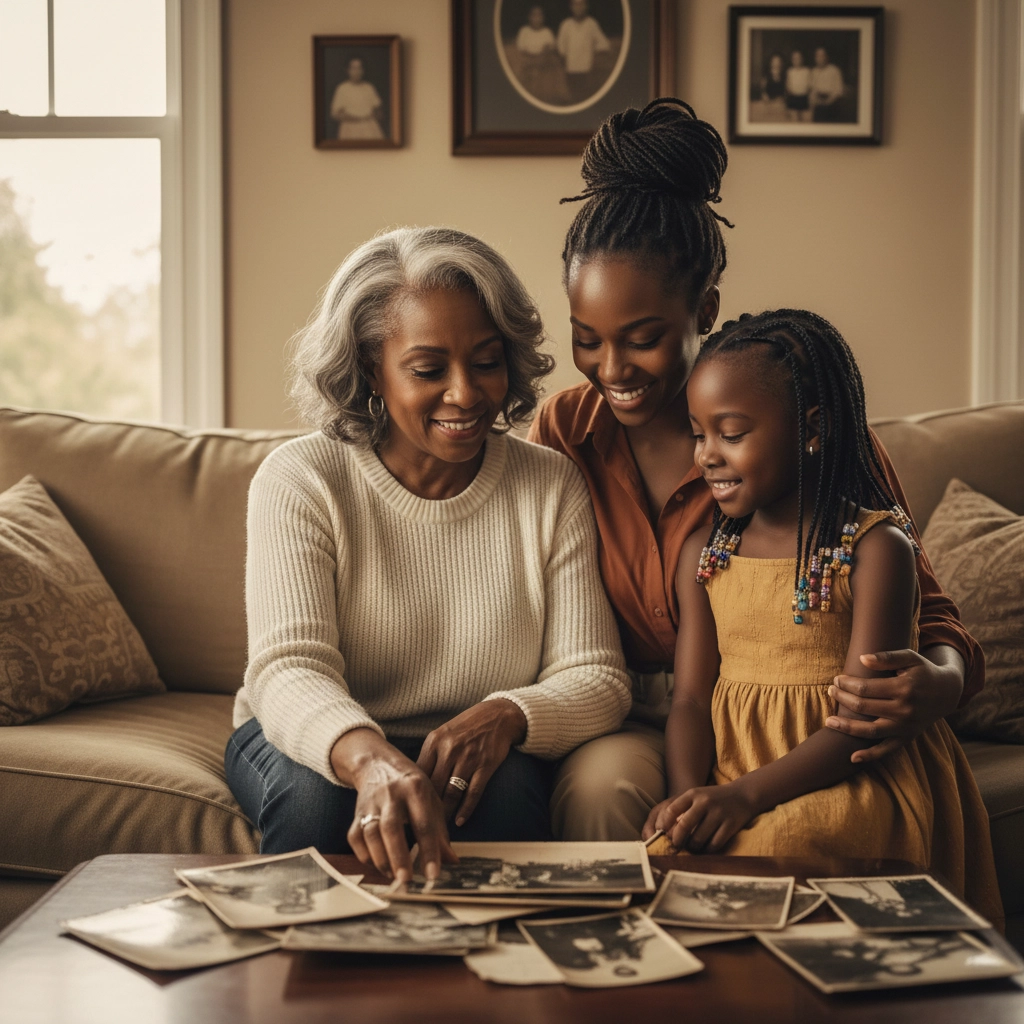
When we talk about generational trauma, we're talking about pain that gets passed down through family stories, parenting styles, learned behaviors, and even the way families handle stress and emotions. It's the grandfather who never talks about his experiences with racism, the mother who's always on edge waiting for the next crisis, or the teenager who feels angry but can't explain why.
Understanding How Trauma Travels Through Families
Think about your own family for a moment. Are there patterns you've noticed? Maybe it's the way conflict gets handled (or avoided), certain fears that seem to run in the family, or unspoken rules about what emotions are "allowed." These patterns often have roots in trauma that happened years or even decades ago.
Historic trauma, from slavery, segregation, displacement, discrimination, and ongoing systemic oppression, doesn't just disappear when the immediate danger is gone. It gets woven into how families function, often in ways that once helped people survive but now might be holding them back.
For BIPOC families, this trauma is often layered. There's the personal family trauma, community trauma from violence or poverty, and the broader cultural trauma from generations of oppression. It's a lot to carry, and it affects everything from parenting styles to career choices to relationships.
How Family Therapy Creates Healing Space
Family therapy for generational trauma isn't about sitting in a circle and just talking about feelings (though feelings definitely matter). It's about creating a safe space where families can understand their patterns, process pain together, and consciously choose new ways of being.
The first step is usually awareness. Many families don't realize they're carrying trauma patterns. They might think, "This is just how we are" or "This is normal." A skilled therapist helps families see these patterns clearly and understand where they came from, not to blame anyone, but to create choice.
In family therapy sessions, everyone gets a voice. Children learn that their feelings matter, parents discover they don't have to carry everything alone, and grandparents might finally feel safe enough to share stories they've been holding for decades. This sharing creates connection and understanding that breaks down the walls trauma often builds between family members.
Therapeutic Approaches That Work
Different families need different approaches. Some respond well to cognitive-behavioral techniques that help challenge negative thought patterns and develop new coping skills. Others benefit from family systems therapy, which looks at how everyone in the family affects everyone else and helps shift unhealthy dynamics.

For trauma specifically, approaches like EMDR (Eye Movement Desensitization and Reprocessing) can help family members process traumatic memories in a way that reduces their emotional charge. Acceptance and Commitment Therapy teaches families how to acknowledge difficult experiences without being overwhelmed by them.
Body-based approaches are particularly powerful because trauma gets stored in the body. Teaching families grounding techniques, breathing exercises, and body awareness helps them manage triggers and stay present during difficult conversations.
Cultural Considerations and Strengths
For Black and BIPOC families, effective therapy must acknowledge cultural strengths and historical context. This isn't about pathologizing communities, it's about recognizing the incredible resilience that exists within these families while also addressing the very real impact of ongoing oppression.
Many BIPOC families have cultural practices that are naturally healing, extended family support, spiritual traditions, community connections, and cultural rituals. Good therapy builds on these existing strengths rather than trying to replace them with Western therapeutic techniques alone.

Sometimes healing involves reconnecting with cultural roots that trauma may have severed. This might mean exploring family history, reclaiming cultural practices, learning ancestral languages, or connecting with community elders who carry wisdom about resilience and survival.
Practical Steps for Breaking the Cycle
Breaking generational cycles doesn't happen overnight, but families can start taking concrete steps right away:
Create New Communication Patterns: Instead of avoiding difficult topics or exploding in anger, families learn to have calm, honest conversations about feelings and experiences.
Develop Emotional Regulation Skills: When family members learn to manage their own emotional responses, they stop passing reactive behaviors to the next generation.
Establish Healthy Boundaries: This includes learning to say no, protecting personal energy, and not taking responsibility for other people's emotions.
Practice Repair: When conflicts happen (and they will), families learn how to apologize genuinely, make amends, and reconnect rather than holding grudges or shutting down.
Build New Traditions: Creating positive family rituals and traditions helps establish new patterns of connection and joy.
The Ripple Effect of Healing
When one family commits to healing generational trauma, the effects spread far beyond that immediate household. Children who grow up with emotionally available parents, healthy conflict resolution, and strong cultural identity are more likely to continue these patterns with their own children.

This healing work often brings unexpected benefits. Families frequently discover they're more creative, more resilient, and more capable of joy than they ever imagined. They develop deeper connections not just with each other, but with their communities and cultural heritage.
The beautiful thing about breaking generational cycles is that it works both forward and backward. As families heal, they often develop more compassion for their parents and grandparents, understanding that they did the best they could with the resources they had.
Moving Forward Together
Healing generational trauma through family therapy isn't easy work: it requires courage, commitment, and often involves facing some uncomfortable truths. But it's also some of the most important work a family can do. You're not just changing your own life; you're changing the trajectory of your entire family lineage.
If your family is ready to break cycles that no longer serve you, remember that asking for help is a sign of strength, not weakness. It takes incredible courage to say, "We want something different for our family."
At Mind and Therapy Clinic, we understand the unique challenges faced by Black and BIPOC families dealing with generational trauma. Our approach honors your cultural strengths while providing evidence-based therapeutic techniques to support lasting change.
Ready to start your family's healing journey? Contact us to learn more about how family therapy can help break the cycles that no longer serve you and create new patterns of connection, resilience, and joy for generations to come.
Mind and Therapy Clinic
Rodrego Way, LPC-S, LCDC – Owner/Therapist
Posted in: Family Therapy, Trauma Recovery, Mental Health
Tags: generational trauma, family healing, BIPOC mental health, therapy services