
July 27, 2026
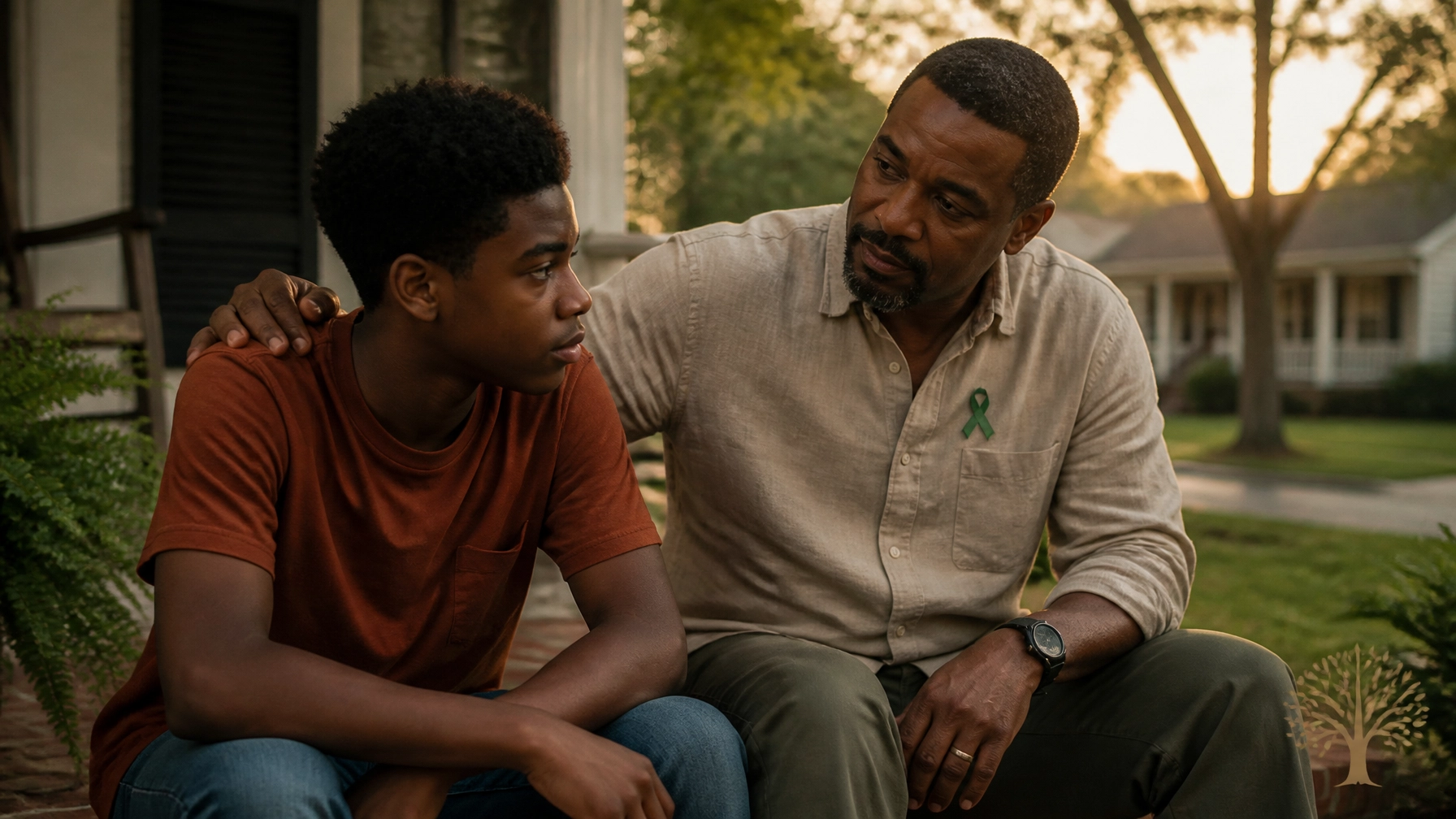
As we move through National Mental Health Awareness Month, we’re leaning deep into "The Black Mental Health Experience." Today’s topic hits close to home for many of us: Supporting Black Adolescent Mental Health and navigating the heavy waters of social justice conversations.
If you’re a Black parent, you know "The Talk" has changed. It used to be about survival in the most literal sense: how to keep your hands on the steering wheel, how to speak to authority, how to make it home. Today, that talk has expanded. It’s about systemic racism, viral videos of injustice, and a 24/7 news cycle that brings the world's trauma right into your teen's pocket.
But here’s the challenge: How do we prepare our children for a world that can be hard, without drowning them in our own fear? How do we discuss justice without passing down a legacy of anxiety?
At The Mind and Therapy Clinic, our owner, Rodrego Way, LPC-S, LCDC (Licensed Professional Counselor Supervisor), often says that healing begins when we acknowledge the weight we’re carrying. Let’s talk about how to lighten that load for the next generation.
1. Regulate Your Own Nervous System First (Soul-Care)
You can’t pour from an empty cup, and you certainly can’t calm a storm if you’re caught in the gale. Your teen is a pro at reading your energy. If your heart is racing and your jaw is clenched while you're talking about a recent news event, they’re going to absorb that stress before they even process your words.
Before you sit down for a heavy conversation, check in with yourself. Are you feeling "flooded"? If you’re coming off a long day of dealing with microaggressions at work or you've just been doomscrolling, you might not be in the right space to lead.
Try what we call Soul-Care:
- Take five deep belly breaths.
- Practice a grounding exercise (Name 3 things you see, 2 you hear, 1 you feel).
- If you get overwhelmed mid-talk, it’s okay to say: "I’m noticing I’m getting really tense because I care about this so much. Let me take a breath so I can listen to you better."
Modeling this emotional regulation is one of the greatest gifts you can give your teen. It shows them that big feelings are manageable, not something to fear.

2. Understanding the Shadow of Historical Trauma
To understand why these conversations feel so high-stakes, we have to look at the Historical Trauma we carry. For Black families, anxiety isn't just a clinical diagnosis; it has often been a survival mechanism passed down through generations.
From slavery to Jim Crow to modern-day systemic issues, our ancestors had to be hyper-vigilant to stay safe. This "survival mode" parenting can sometimes manifest as strictness or a refusal to let teens explore their world. While it comes from a place of love and protection, it can also lead to BIPOC Trauma that manifests as chronic anxiety in our youth.
Acknowledging that your fear is rooted in history helps you separate it from the present moment. You aren't "crazy" for being worried; you are responding to a historical reality. But your teen needs to know they are more than just a target: they are part of a legacy of resilience.
3. Listen More, Lecture Less
When we’re anxious, we tend to lecture. We want to give them all the "rules" so nothing bad happens. But for a teen, a lecture feels like a wall. A conversation feels like a bridge.
Start by asking open-ended questions:
- "What are people at school saying about what happened yesterday?"
- "How does it feel for you when you see these stories online?"
- "Do you feel safe talking about race with your friends?"
When they speak, really listen. Don't rush to fix it or tell them why they shouldn't feel that way. If they say they’re angry, validate it. "It makes total sense that you're angry. That situation was unfair." Validation reduces the isolation that fuels anxiety.

4. Balance Injustice with Black Joy and Agency
If the only time we talk about being Black is when something bad happens, we’re accidentally teaching our kids that their identity is a burden. To counter-balance the weight of social justice issues, we must intentionally cultivate Black Joy.
Talk about the wins. Talk about Black scientists, artists, and the everyday people in your community who are thriving. Show them that our history isn't just a list of traumas; it’s a vibrant tapestry of resistance and creativity.
Encourage Agency. Anxiety thrives in powerlessness. Help your teen find ways to act:
- Joining a school club or a Black Student Union.
- Participating in a community garden or art project.
- Using their social media for advocacy rather than just consumption.
When a teen feels they have the power to change their environment, their anxiety often transforms into purpose.

5. Setting Boundaries with "Vicarious Racism"
We live in an era of "vicarious racism": the trauma that comes from repeatedly watching videos of racial violence. For many Black teens, this can lead to symptoms of PTSS (Post-Traumatic Slave Syndrome) or secondary trauma.
It is okay: and necessary: to set digital boundaries. Teach your teen that they don't owe it to anyone to watch every graphic video. Protecting their peace is an act of resistance in itself.
Encourage "unplug" times, especially before bed. A calm mind is a resilient mind. If you’re a father navigating Men and divorce or other family transitions, these boundaries are even more critical to maintain a sense of stability for your child.
Building Healthy Minds Together
Talking about justice is a marathon, not a sprint. It’s okay if you don’t have all the answers. What matters is that your teen knows they aren't carrying the weight alone.
At The Mind and Therapy Clinic, we specialize in Black family therapy and helping families navigate these complex dynamics. Whether you're dealing with generational trauma, relationship shifts, or the unique challenges of raising Black adolescents, we are here to support your journey.
Our approach, led by Rodrego Way, LPC-S, LCDC, focuses on transforming trauma into triumph. We believe in building healthy minds, one person at a time.
Are you ready to start a new chapter of healing for your family?
We offer a 15-minute free consultation for first-time clients. Let’s work together to ensure your teen’s future is defined by their dreams, not their anxieties.
Book Your Free Consultation Today