
July 25, 2026
It’s July 2026, and if you feel like you’re holding your breath every time you check your phone, you aren’t alone. Between the shifting landscapes of voting rights, the high-tension headlines surrounding ICE raids, and the ongoing, painful cycle of police violence, the "storm" we’ve been talking about in this series is hitting close to home.
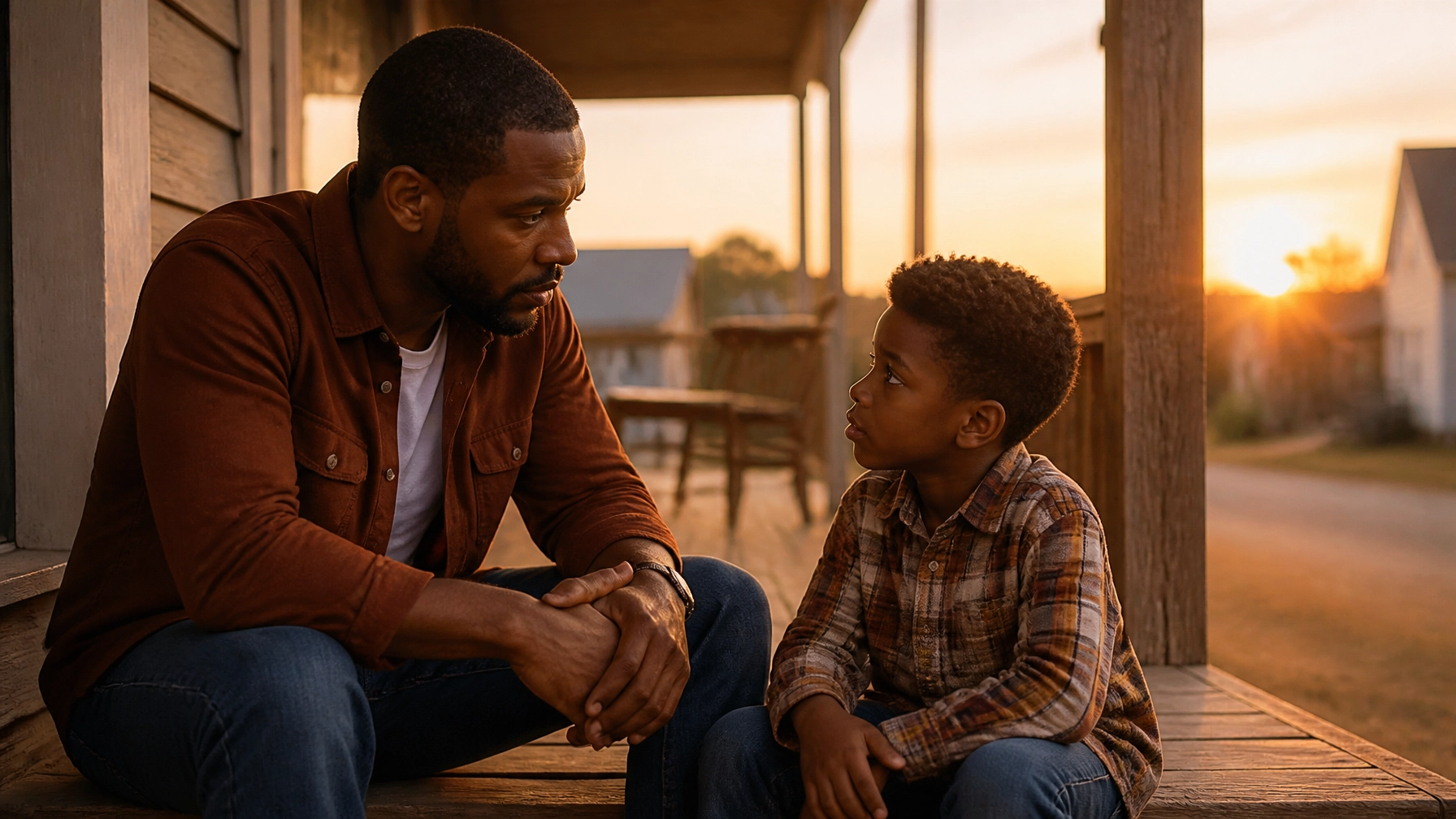
As part of our Staying Grounded in the Storm series, today we are focusing on the heartbeat of our community: the family. For Black parents, raising children in this political climate isn't just about teaching them to tie their shoes or finish their homework. It’s about navigating political stress and racial trauma while trying to preserve their innocence and build their resilience.
At The Mind and Therapy Clinic, we see the toll this takes. It’s heavy. But as Rodrego Way, Licensed Professional Counselor Supervisor, often says, we aren’t just surviving these storms: we are learning how to build better shelters together.
The Parent’s Oxygen Mask: Grounding Yourself First
Before you can help your child navigate a news alert about a local ICE raid or a video of police misconduct, you have to check your own pulse. Children are emotional sponges; they soak up your news anxiety before you even say a word.
BIPOC Trauma is often collective. When something happens to one of us, it feels like it’s happening to all of us. If you are feeling overwhelmed, it is okay to step back.
- Limit the Scroll: Set specific times to check the news.
- Find Your Village: Lean on your community or a professional.
- Acknowledge the Weight: Don’t gaslight yourself. This is hard.
When you are grounded, you can lead from a place of calm rather than a place of crisis.
Age-Appropriate Scripts: How to Talk About the Hard Stuff
One of the biggest questions we get in Black family therapy is: "How much is too much?" We want our kids to be aware, but we don't want them to be traumatized. Here is how to break it down by age.

For the Little Ones (Ages 3–7)
Keep it concrete and focus on the "helpers."
- The Script: "Sometimes, people in charge make rules that aren't fair to everyone, especially to people who look like us or come from different places. It makes us feel sad or mad. But there are a lot of good people working to fix those rules, and my job is to keep you safe."
- The Goal: Reassurance and identifying fairness.
For Elementary-Aged Kids (Ages 8–12)
This is the age where they start hearing things at school. Ask them what they know first.
- The Script: "You might have heard about 'voting rights' or 'ICE.' Basically, some people are trying to make it harder for our community to have a voice. It’s part of a long history called historical trauma, but it’s also a history of us fighting back. What have your friends been saying about it?"
- The Goal: Validating their observations and providing historical context.
For Teens (Ages 13+)
Teens are likely seeing the raw footage on social media. They need a space to vent their anger and process their fears.
- The Script: "I saw that video/news story too. It’s exhausting and it’s wrong. How are you feeling about it? Do you want to talk about the systemic reasons this keeps happening, or do you just need to be mad for a minute?"
- The Goal: Critical thinking, emotional processing, and agency.
Navigating Specific 2026 Challenges
Voting Rights and Democracy
In 2026, the conversation around the ballot box is louder than ever. Explain to your children that voting is one of our tools for change. Connect it to the ancestors who marched so we could stand in line. When kids see that we have power, the political stress feels a little less like a weight and more like a call to action.
ICE Raids and Immigration
Even if your family isn’t directly impacted, the "othering" of Black and Brown immigrants creates a climate of fear. Talk about the importance of solidarity. Explain that "we protect us." Creating a family safety plan: even a simple one about who to call if they feel unsafe: can actually lower anxiety by giving them a sense of control.
Police Violence
This is perhaps the most painful conversation. Be honest about the reality without stripping away their hope. Focus on the fact that the system is the problem, not their skin. Community trauma recovery starts with naming the injustice clearly: "It is not okay, and we are working with others to change it."

Resilience and Joy as Resistance
Resilience isn't just about "toughing it out." In the context of BIPOC Trauma, true resilience includes the ability to find joy even when the world feels heavy.
At The Mind and Therapy Clinic, we encourage families to lean into "Black Joy" as a form of resistance.
- Celebrate Heritage: Read books by Black authors that have nothing to do with trauma.
- Unplug Together: Have a "no-politics" dinner where the only topic is what made you laugh today.
- Collective Healing: Engage in community gardens, church groups, or local art programs.
Healing is a side-by-side job. We heal better when we heal together.
Why Whole-Family Therapy Matters
Sometimes, the storm is too loud to handle on your own. If you notice your child is withdrawing, having trouble sleeping, or becoming hyper-fixated on the news, it might be time for professional support.
Black family therapy provides a safe container to process community trauma without having to explain your humanity to your therapist. We understand the nuances of the Black experience because we live it too. Whether you are dealing with the aftermath of a specific event or the chronic wear-and-tear of 2026 politics, our services are designed to help you rejuvenate and thrive.

Take the Next Step Toward Healing
Parenting through chaos is an act of bravery. You are doing the work of raising the next generation of leaders, thinkers, and healers. But you don't have to do it in isolation.
If the weight of political stress or racial trauma is feeling like too much for your household to carry, reach out. We offer a 15-minute free consultation to help you figure out the best path forward for your family.
Contact us today at The Mind and Therapy Clinic and let’s start building that resilience together.
This post is part of our July 2026 series, "Staying Grounded in the Storm," curated by Rodrego Way, LPC-S, LCDC.