July 20, 2026
There is a specific kind of silence that falls over a neighborhood when people hear that ICE is in the area. It’s a heavy, vibrating tension. It’s the sound of blinds being drawn, car doors locking a little faster, and the sudden absence of kids playing on the sidewalk. For many of us in the BIPOC community, this isn't just "news." It is a visceral, physical threat that echoes through our history.
When the government, whether it’s immigration enforcement, local police, or federal agencies, targets your neighbors, it doesn't just affect the people behind the door they’re knocking on. It affects everyone. It shatters the fragile sense of safety we work so hard to build.
At The Mind and Therapy Clinic, we see the fallout of this daily. We see the hypervigilance, the sleeplessness, and the deep-seated "political stress" that keeps our community on edge. As a Licensed Professional Counselor Supervisor, Rodrego Way often works with men and families who are navigating the complex layers of community trauma.
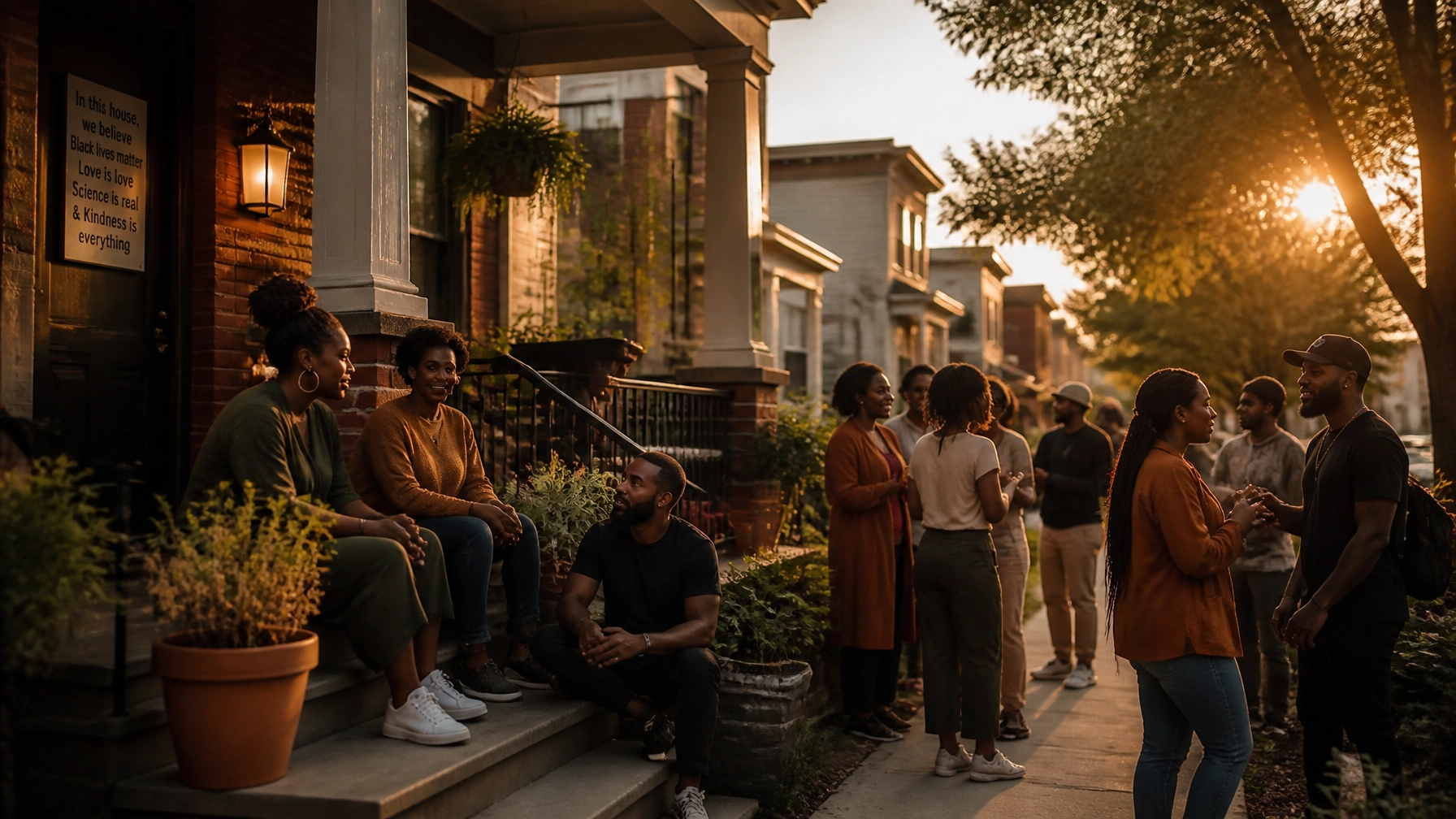
Healing isn't just something that happens in a therapist's office. It starts on your porch, in your group chats, and in the way you show up for the family three doors down. This is your guide to Community Trauma Response 101.
Understanding Collective Trauma
We usually think of trauma as something that happens to one person. But collective trauma is different. It’s a shared emotional wound that strikes an entire group. When a neighbor is taken or a family is separated by deportation, the injury is systemic.
For Men of Color, this often triggers a historical trauma response. We remember the stories of our grandfathers being targeted, or the ways our communities have been surveilled for generations. This isn't paranoia; it's a learned survival mechanism. But when that survival mode stays "on" indefinitely, it leads to burnout, heart disease, and severe anxiety.
Recognizing that your fear is a communal experience is the first step toward collective healing. You aren't "weak" for feeling shaken. You are reacting to a shared threat.
1. Establish Psychological Safety First

Physical safety is the priority during an enforcement action, but psychological safety is what allows a community to recover. If a raid has occurred or is rumored, the first thing to do is stabilize the environment.
- Filter the Noise: Misinformation spreads faster than the truth during a crisis. Designate a few "trusted messengers" in your neighborhood or community group to verify reports. Avoid sharing "unconfirmed sightings" that only serve to increase panic.
- Create "Safe Zones": Work with local churches, community centers, or even a neighbor’s home to establish a place where people can gather without fear. Knowing there is a physical space where "the government isn't allowed" provides a necessary mental break for the nervous system.
- Normalize the Reaction: If you’re a leader in your community, tell people: "It is okay to be scared. It is okay to be angry." Validating these feelings prevents them from turning into internalized shame or isolation.
2. Emotional First Aid for Affected Families
When a family is directly impacted, perhaps a father or mother has been detained, the trauma is acute. This is where "Emotional First Aid" comes in. You don't need to be a therapist to help; you just need to be a human.
- The "Luhman" Rule (Listen, Understand, Help): Don't force them to tell their story. Just sit with them. In our culture, sometimes silence and presence are more powerful than words.
- Watch for "Systemic Ghosting": Often, when a family is targeted, neighbors pull away out of fear for their own safety. This isolation is a second trauma. A simple text: "I’m here, I’ve got dinner for you on the porch": can be a lifeline.
- Support the Children: Kids in these situations are often terrified and confused. At The Mind and Therapy Clinic, we specialize in adolescent therapy to help teens navigate these challenges. If you’re helping a neighbor, keep routines as normal as possible for the kids. Stability is their best medicine.

3. Mutual Aid: Moving Beyond "Charity"
Mutual aid is different from charity. Charity is a top-down approach; mutual aid is "solidarity, not charity." It’s the understanding that we all have something to give and we all have needs.
In the wake of ICE deportation actions or political stress, mutual aid looks like:
- Emergency Funds: Setting up a community pot to cover legal fees or rent for families who lost their primary breadwinner.
- Childcare Trains: Organizing a schedule so that the remaining parent can go to legal appointments or work without worrying about their kids.
- Community Watch: Not a "police-style" watch, but a safety network where neighbors keep an eye on each other’s homes and provide early warnings of enforcement presence.
According to SAMHSA’s principles of trauma-informed care, peer support and mutual self-help are essential for long-term recovery. When we help each other, we move from being "victims" to being active agents of our own protection.
4. Addressing the "Black Man’s Burden" in Crisis
For Black and Brown men, the pressure to be the "protector" during these times can be crushing. There is an expectation that you must remain stoic, even when your own safety is at risk.
We need to redefine what "protection" looks like. It isn't just about physical defense; it’s about emotional resilience. Taking care of your mental health is a revolutionary act. If you are struggling with the weight of these events, it might be time to look into individual therapy sessions designed for Men of Color.
Historical trauma teaches us that we are always under threat, but healing from damaging relationships: even relationships with the state: requires us to find joy and peace despite the storm.

5. Building a Long-Term Community Response
A community trauma response isn't a one-time event. It’s a muscle you build.
- Know Your Rights (KYR) Workshops: Host these regularly so they are part of the community's DNA, not a panicked response to a raid.
- Partner with Professionals: Connect with clinics like ours that understand the BIPOC trauma experience. We can provide the clinical backbone to your community's heart.
- Healing Rituals: Don't underestimate the power of a community vigil, a shared meal, or a neighborhood clean-up. These rituals reclaim the space that the trauma tried to steal.
Staying Grounded When the Storm Hits
The government might come for your neighbors, but they cannot take the community you’ve built if you stand together. Resilience isn't about bouncing back to how things were; it’s about bouncing forward into a stronger, more connected version of yourselves.
If the stress of immigration enforcement, political tension, or community trauma is becoming too much to carry alone, we are here. The Mind and Therapy Clinic offers a 15-minute free consultation for first-time clients. Let’s talk about how to keep you and your family grounded.
Schedule your free consultation today.
Building healthy minds, one neighbor at a time.