If you have ever felt a sense of exhaustion that sleep just can’t fix, or if you find yourself constantly on edge when navigating certain spaces, you aren’t alone. For many people of color, these feelings aren't just "stress", they are part of a specific experience called Race-Based Traumatic Stress (RBTS).
At The Mind and Therapy Clinic, we believe that understanding your mental health is the first step toward reclaiming your power. Led by Rodrego Way, Licensed Professional Counselor Supervisor, our mission is to provide an empowering space where your experiences are validated, not questioned. This guide is designed to help you understand RBTS, identify how it impacts your life, and give you the tools to protect your peace.
Understanding Race-Based Traumatic Stress (RBTS)
Race-Based Traumatic Stress (RBTS) is the emotional and psychological response to experiences of racism, racial discrimination, and race-motivated bias. Unlike Post-Traumatic Stress Disorder (PTSD), which is often linked to a single "shocking" event, RBTS is frequently the result of an ongoing accumulation of "micro-stressors" or systemic inequities.
It isn't just about high-profile incidents we see on the news. It’s the subtle slight at work, the feeling of being watched in a store, or the exhaustion of "code-switching" to feel safe. These moments add up, creating a heavy burden on the mind and body.
Why Identifying RBTS Matters for Your Mental Health
For a long time, traditional psychology didn't have a name for the specific type of trauma caused by racism. This often left individuals feeling gaslighted, as if they were "overreacting" to societal pressures. By naming it RBTS, we acknowledge that your reaction is a normal response to an abnormal situation.
Research shows that RBTS can manifest in ways that mimic other mental health conditions. You might experience:
- Hypervigilance: Always looking over your shoulder or scanning for potential threats.
- Avoidance: Steering clear of certain neighborhoods, social settings, or even news cycles to prevent emotional pain.
- Physical Symptoms: Chronic headaches, digestive issues, and chest tightness are common physical manifestations of racial stress.
- Emotional Exhaustion: A feeling of "racial battle fatigue" where you simply don't have the energy to engage with the world.

How RBTS Affects the Body and Mind
When we experience racism, our body’s "fight-or-flight" system kicks into high gear. Usually, this system is meant to turn off once the danger passes. However, because systemic racism is persistent, many people find their bodies stuck in a state of high alert.
This chronic stress releases cortisol, the stress hormone. Over time, high levels of cortisol can lead to long-term health issues, including hypertension and a weakened immune system. In the context of mental health, it can lead to deep-seated anxiety and depression. Understanding that this is a physiological response, not a personal failing, is key to healing.
Practical Tools to Protect Your Peace
Healing from RBTS isn't about "fixing" yourself; it’s about creating a lifestyle that prioritizes your well-being in a world that often doesn't. Here are some practical steps you can take starting today:
1. Curate Your Content
In the digital age, we are bombarded with traumatic images and stories. While staying informed is important, "doomscrolling" through racial trauma can re-trigger your RBTS. Set boundaries on your social media usage. It is okay to hit "unfollow" or "mute" on accounts that drain your spirit.
2. Practice "The Pause"
When you encounter a microaggression or a stressful racial encounter, your body reacts instantly. Practice a 4-7-8 breathing technique: inhale for 4 seconds, hold for 7, and exhale slowly for 8. This signals to your nervous system that you are safe in this moment.
3. Build a "Sanctuary" Community
Find spaces where you don't have to explain your culture or justify your feelings. Whether it’s a group of friends, a specialized hobby group, or a culturally responsive therapy setting, community is a powerful antidote to the isolation of RBTS.
4. Lean into Joy as Resistance
Joy is a form of resistance. Engaging in activities that make you feel vibrant, art, music, movement, or spending time with loved ones, helps counteract the "heaviness" of racial stress.

The Importance of Culturally Responsive Therapy
Standard therapy approaches don't always account for the unique realities of being a person of color. At The Mind and Therapy Clinic, we use culturally responsive framing. This means we recognize that your environment impacts your mental health.
Rodrego Way, Licensed Professional Counselor Supervisor, and our team work to ensure that your therapy sessions are a place where you can be your authentic self. You don't have to educate your therapist on what racism feels like; we start from a place of understanding and validation.

Key Takeaways for Protecting Your Peace
- RBTS is Real: Your feelings of exhaustion and anxiety are valid responses to systemic and individual racism.
- Your Body Remembers: Chronic racial stress impacts physical health, not just your mood.
- Boundaries are Necessary: Protecting your peace means saying "no" to trauma-inducing media and environments.
- Community Heals: Surround yourself with people who see you and value you.
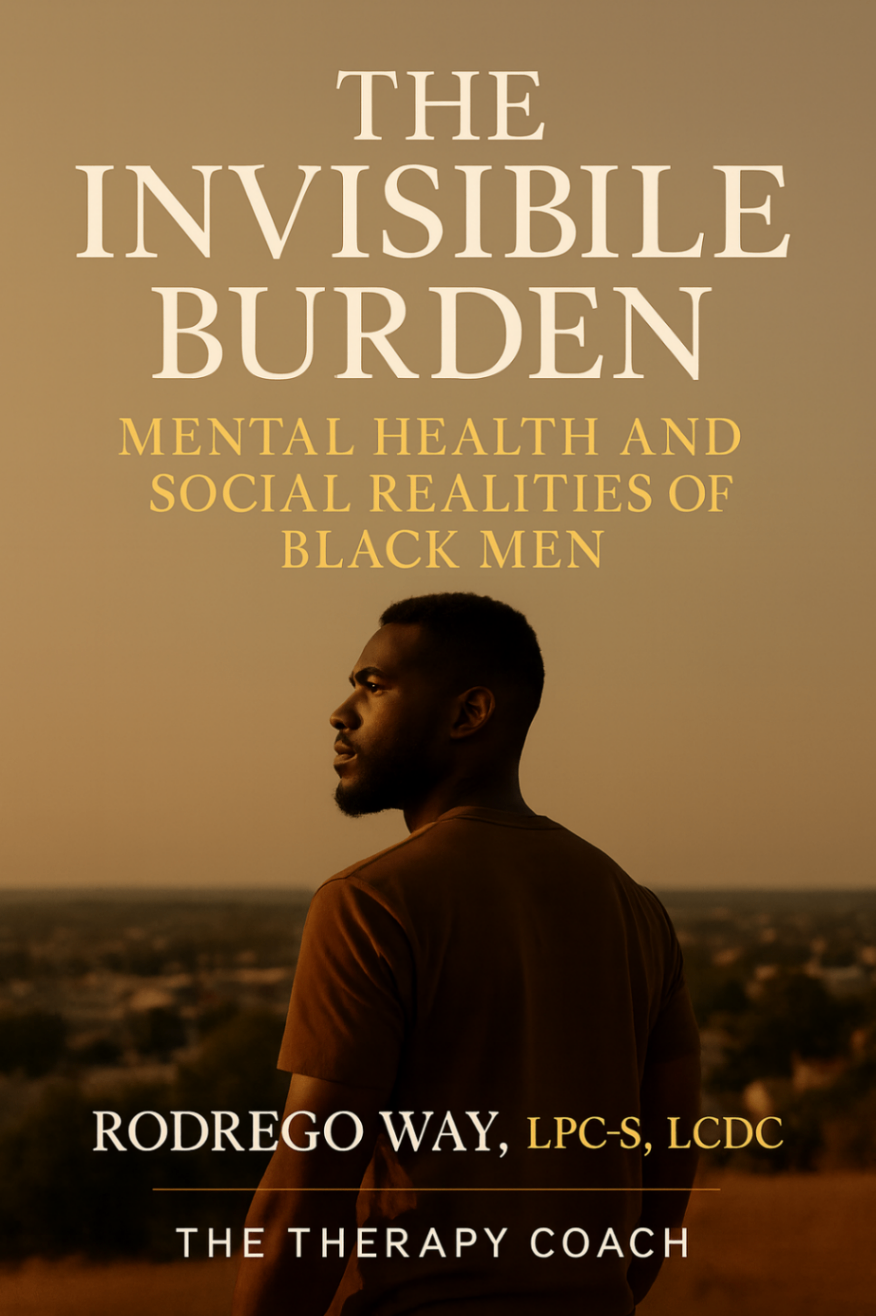
- Professional Help is Available: You don't have to carry the "invisible burden" alone.
Moving Forward on Your Healing Journey
If you’re feeling overwhelmed by the weight of the world, remember that reaching out for help is a sign of immense strength. You deserve to live a life defined by peace, not just survival.
We invite you to take the first step toward healing. At The Mind and Therapy Clinic, we offer a safe, empowering environment to help you process your experiences and develop a personalized toolkit for resilience.
Book a free 15-minute consultation today at www.mindandtherapyclinic.com to see how we can support your journey.
Newsletter & Updates
Stay connected with our latest insights on mental health and wellness.
Subscribe to our newsletter for monthly tips and clinic updates.
Contact Information
The Mind and Therapy Clinic
Phone: (Contact info available on website)
Location: Serving our community with dedicated care.
Credentials: Rodrego Way, Licensed Professional Counselor Supervisor, LCDC.
Disclaimer
This blog post is for educational and informational purposes only and does not constitute medical advice or a professional therapy relationship. If you are in a mental health crisis, please call or text 988 (Suicide & Crisis Lifeline) or head to your nearest emergency room.
Posted in: Mental Health, RBTS, Wellness
Tags: Race-Based Traumatic Stress, Mental Health for POC, Rodrego Way LPC-S, Protecting Your Peace, Therapy Services
Social Share Blurbs
Facebook:
Is the weight of the world feeling a bit too heavy lately? You might be experiencing Race-Based Traumatic Stress (RBTS). Check out our latest guide at The Mind and Therapy Clinic to learn how to identify the signs and, more importantly, how to protect your peace. You don’t have to carry the burden alone. 🌿 #RBTS #MentalHealthMatters #TheMindAndTherapyClinic #RodregoWay
LinkedIn:
In the professional world, the impact of Race-Based Traumatic Stress (RBTS) is often overlooked. As mental health professionals, it is our duty to validate these experiences and provide actionable tools for healing. Read our "Ultimate Guide to RBTS" by Rodrego Way, Licensed Professional Counselor Supervisor, and learn how we are supporting clients in reclaiming their well-being. #MentalHealth #DEI #WorkplaceWellness #RBTS #TherapyServices