At The Mind and Therapy Clinic, we see people every day who are working twice as hard to get half as far. You’re doing the work, showing up for your family, and navigating your career, but lately, you feel like your battery is permanently at 5%. You might think it’s just the daily grind, but there is often something deeper and more invisible at play.
We are talking about Racism-Based Traumatic Stress (RBTS).
Unlike a one-time traumatic event, RBTS is the cumulative exhaustion that comes from navigating a world that isn't always built with your safety or dignity in mind. It isn't just about "hurt feelings", it is a physiological and psychological response to the ongoing reality of racism, microaggressions, and systemic exclusion.
If you’ve been feeling on edge, disconnected, or just plain exhausted, it’s time to look at the signs before you hit total burnout.
What is RBTS and Why Does It Feel Different?
Many of us are familiar with Post-Traumatic Stress Disorder (PTSD), but RBTS has its own unique fingerprint. While PTSD usually follows a specific life-threatening event, RBTS is often about the "death by a thousand cuts." It is the constant vigilance you have to maintain when you walk into a store, a boardroom, or even a doctor's office.
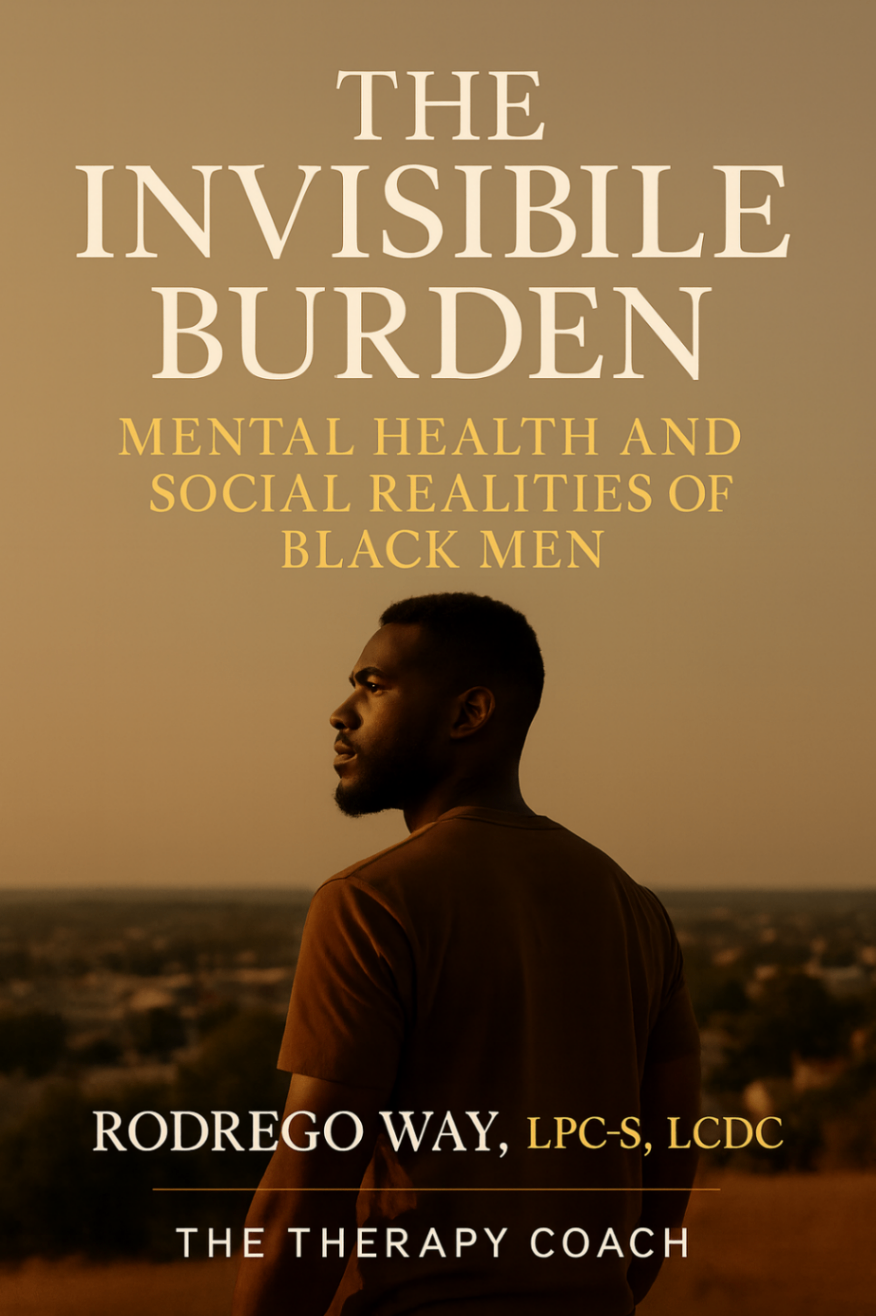
Rodrego Way, LPC-S, LCDC, and the owner of The Mind and Therapy Clinic, often discusses how this "invisible burden" weighs on the mental health of our community. When you are constantly scanning your environment for threats, whether those threats are physical or social, your body stays in a "fight or flight" mode. Over time, this wears out your nervous system.

The Hidden Emotional Signs of RBTS
Most people expect trauma to look like crying or intense fear. While those can be part of it, RBTS often shows up in ways that look like "normal" stress. Here are the hidden signs to watch for:
1. Chronic Irritability or "The Short Fuse"
Do you find yourself snapping at your partner or getting disproportionately angry at a slow driver? When you are absorbing the stress of discrimination all day, your "emotional cup" is already full. By the time you get home, there is no room left for the small annoyances of life.
2. Emotional Numbing and Disconnection
Sometimes, to survive a toxic environment, your brain simply "turns off" your feelings. You might feel like you’re moving through life in a fog or that you can’t truly feel joy, even when good things happen. This is a survival mechanism, but it’s a sign that the RBTS is becoming overwhelming.
3. Hypervigilance
This is the feeling of always being "on." You are constantly monitoring your tone of voice, your body language, and how others are perceiving you to avoid being stereotyped or targeted. This is exhausting work that most people don't even realize they are doing.
The Physical Toll: How Your Body Stores the Stress
Your mind might try to talk you out of your feelings, but your body doesn't lie. RBTS often manifests as physical symptoms that doctors sometimes struggle to explain.
- Digestive Issues: The gut is often called the "second brain." Chronic stress leads to inflammation, which can cause stomach pain, IBS, or constant nausea.
- Sleep Disturbances: Even when you are exhausted, you can't sleep because your mind is "looping" on a comment a coworker made or a news story you saw.
- Muscle Tension: Chronic headaches or tightness in the shoulders and jaw are common signs that your body is braced for a confrontation.
Why We Often Miss the Signs
In our culture, we are often taught to "tough it out" or "be resilient." Resilience is a strength, but when resilience is used to ignore your own pain, it becomes a path to burnout.
Society often gaslights individuals experiencing RBTS. You might be told you’re "being too sensitive" or "misinterpreting" a situation. Over time, you might start to gaslight yourself, wondering if the exhaustion you feel is just laziness or a lack of discipline. It isn't. It is a legitimate response to an illegitimate set of circumstances.

Practical Tools for Coping with RBTS
Recognizing the signs is the first step toward healing. Once you acknowledge that what you are feeling is a response to external stressors, not a personal failing, you can start to implement tools to protect your energy.
1. Protect Your Digital Space
The 24-hour news cycle and social media can act as a constant trigger for RBTS. Watching viral videos of injustice can "re-traumatize" your system. It is okay to look away. Setting boundaries on how much "trauma content" you consume is an act of self-care.
2. Find Your "Safe Harbor"
Community is a powerful medicine. Seek out spaces where you don't have to explain yourself, code-switch, or defend your humanity. Whether it’s a group of friends, a hobby club, or a culturally responsive therapy group, being seen and validated is essential.
3. Practice Grounding Techniques
When you feel the "fight or flight" response kicking in, try the 5-4-3-2-1 technique:
- Acknowledge 5 things you see.
- Acknowledge 4 things you can touch.
- Acknowledge 3 things you hear.
- Acknowledge 2 things you can smell.
- Acknowledge 1 thing you can taste.
This pulls your brain out of the "trauma loop" and back into the present moment.
4. Professional Support
Sometimes, the weight is too heavy to carry alone. Working with a therapist who understands the specific nuances of RBTS can provide you with the framework to process your experiences without being judged.
A Note from Rodrego Way, LPC-S, LCDC
At The Mind and Therapy Clinic, we specialize in helping individuals navigate these exact challenges. We understand that your mental health is inextricably linked to your social reality. You don't have to wait until you are completely burned out to ask for help. Taking a proactive step now can save you years of exhaustion later.
If you are interested in exploring how we can support you, we offer a safe, empowering space to heal.
Brief Takeaways
- RBTS is real: It is a physiological response to ongoing racism and discrimination.
- Watch the signs: Irritability, numbing, and hypervigilance are major red flags.
- Your body knows: Chronic pain, headaches, and digestive issues are often linked to RBTS.
- Healing requires boundaries: Protecting your energy and finding community are vital.
Disclaimer: This blog post is for educational and informational purposes only and is not a substitute for professional medical advice, diagnosis, or treatment. If you are experiencing a mental health crisis, please call or text 988 (Suicide & Crisis Lifeline) or go to the nearest emergency room.
Ready to prioritize your peace?
We are here to help you navigate the invisible burdens and reclaim your energy.
Book a free 15-minute consultation today:
www.mindandtherapyclinic.com
The Mind and Therapy Clinic
Mental Health & Therapy Services
Empowering you to grow, heal, and thrive.
Social Media Share Blurb (Facebook/LinkedIn):
Are you feeling "off" but can't quite put your finger on why? It might not be standard burnout. For many, Racism-Based Traumatic Stress (RBTS) is a silent weight that drains energy and impacts physical health. Learn how to recognize the hidden signs of RBTS and how to protect your peace in our latest blog post from Rodrego Way, LPC-S, LCDC at The Mind and Therapy Clinic.
Read more: [www.mindandtherapyclinic.com]
#MentalHealth #RBTS #SelfCare #TheMindAndTherapyClinic #Healing #BlackMentalHealth #Wellness