If you have ever felt like the weight of the world is a little heavier because of the color of your skin, I want to start by saying: I see you, and your feelings are valid. At The Mind and Therapy Clinic, we talk to a lot of people who feel "on edge" or exhausted, but they can’t quite put a finger on why. Often, what they are experiencing isn't just everyday stress, it’s Racism-Based Traumatic Stress (RBTS).
My name is Rodrego Way, LPC-S, LCDC, and as the owner of this clinic, I’ve dedicated my career to helping people navigate the complex intersections of mental health and social reality. Healing from racial trauma isn't about "getting over it"; it’s about reclaiming your peace in a world that often tries to disrupt it.
What Exactly is Racism-Based Traumatic Stress (RBTS)?
You might be familiar with PTSD (Post-Traumatic Stress Disorder), which usually follows a single, life-threatening event. RBTS is a bit different. While it shares many symptoms with PTSD, it is specifically the mental and emotional injury caused by encounters with racial bias, ethnic discrimination, and systemic racism.
The thing about RBTS is that it’s cumulative. It isn't always one "big" event. It can be the result of a thousand "micro-aggressions", those small, daily slights that build up over time, or it can come from witnessing violence against people who look like you on the news.
Unlike a typical clinical diagnosis, RBTS is a stress response to a toxic social environment. It’s a normal reaction to an abnormal situation.
Recognizing the Signs: How RBTS Shows Up
Many people suffer from RBTS without even knowing it has a name. They just know they feel tired, angry, or anxious. Here is how it often manifests:
1. Emotional and Mental Symptoms
- Hypervigilance: Feeling like you always have to be "on" or scanning your environment for potential threats or bias.
- Flashbacks: Replaying a discriminatory comment or event over and over in your head.
- Avoidance: Staying away from certain neighborhoods, stores, or social groups to avoid potential racism.
- Low Self-Esteem: Beginning to internalize the negative stereotypes society projects onto you.
2. Physical Symptoms
Trauma lives in the body. You might experience:
- Chronic headaches or migraines.
- Chest tightness or a racing heart.
- Difficulty sleeping or frequent nightmares.
- Digestive issues or a "pit" in your stomach.
3. Cognitive Symptoms
- Difficulty concentrating at work or school.
- Feeling "foggy" or disconnected from your surroundings (dissociation).
- Confusion or self-doubt (wondering, "Did that really just happen?").

Why Validation is the First Step to Healing
One of the hardest parts of RBTS is "medical gaslighting." This happens when you try to explain your distress to a professional or a friend, and they dismiss it as "paranoia" or tell you that you’re being "too sensitive."
At The Mind and Therapy Clinic, we believe that validation is medicine. Acknowledging that the system is broken, and that your reaction to it is a sign of your humanity, is where healing begins. You aren't "crazy" for feeling stressed in a society that treats you differently.
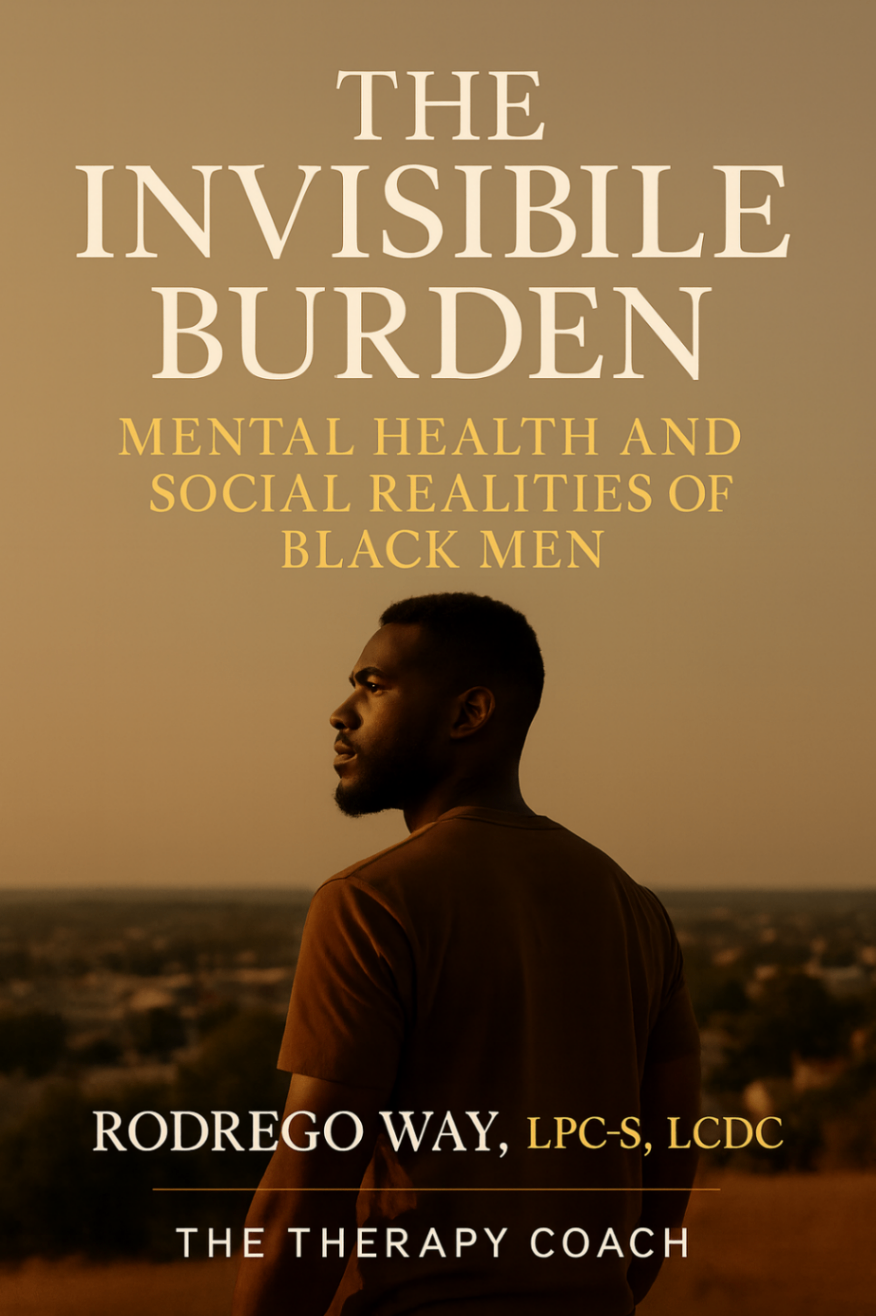
If you want to dive deeper into how social realities impact the mental health of Black men specifically, you might find my book, The Invisible Burden, a helpful resource for understanding these unique challenges.
Practical Coping Tools for Racial Trauma
Healing is a journey, and while therapy is a vital part of that, there are things you can do today to help manage the stress.
1. Controlled Media Consumption
The 24-hour news cycle and social media can be a minefield of racial triggers. It is okay to look away. Setting boundaries on how much "trauma porn" or news of racial violence you consume is an act of radical self-care.
2. Grounding Exercises
When you feel your heart racing after a racial encounter, try the 5-4-3-2-1 technique:
- Acknowledge 5 things you can see.
- Acknowledge 4 things you can touch.
- Acknowledge 3 things you can hear.
- Acknowledge 2 things you can smell.
- Acknowledge 1 thing you can taste.
This brings your brain back to the present moment and out of the "fight or flight" response.
3. Finding Your Tribe
Isolation is a symptom of trauma. Connect with people who understand your experience without you having to explain it. Whether it's a formal support group or a "kitchen cabinet" of trusted friends, community is a buffer against the effects of racism.
4. Setting Firm Boundaries
You do not owe anyone an explanation of your trauma. You do not have to be the "educator" in your workplace or social circle. Protecting your energy is a priority.
The Importance of Culturally Responsive Therapy
If you decide to seek professional help, look for a provider who understands culturally responsive care. It’s important that your therapist understands the difference between a chemical imbalance and the psychological impact of living in a racialized society.
At our clinic, we focus on empowering you. We don't just look at what's "wrong" with you; we look at what happened to you and the strength you've used to survive it. Our approach is grounded in reality and delivered with the warmth and respect you deserve.
Quick Takeaway Section:
- RBTS is a mental injury, not a mental weakness.
- Symptoms are both physical and mental, ranging from headaches to hypervigilance.
- Healing requires validation and culturally safe spaces.
- Self-care is a necessity, not a luxury, when dealing with systemic stress.
Let’s Start Your Healing Journey
You don’t have to carry this burden alone. If you’re feeling overwhelmed by the weight of racial stress, we are here to support you.
Ready to talk?
Book a free 15-minute consultation with us today to see how we can help you reclaim your mental wellness.
👉 Book Your Free Consultation Here
Important Disclaimers
- Educational Purpose Only: This blog post is for educational and informational purposes and is not a substitute for professional medical advice, diagnosis, or treatment. Always seek the advice of your physician or another qualified health provider with any questions you may have regarding a medical or mental health condition.
- Crisis Resources: If you are in immediate danger or experiencing a mental health crisis, please call or text 988 (National Suicide Prevention Lifeline) or go to the nearest emergency room. You can also text HOME to 741741 to connect with the Crisis Text Line.
About The Mind and Therapy Clinic
Owner: Rodrego Way, Licensed Professional Counselor Supervisor (LPC-S), LCDC
Website: www.mindandtherapyclinic.com
Services: Individual therapy, trauma-informed care, addiction counseling, and more.
Location: Proudly serving our community with empowering mental health services.
Social Share Blurb
Facebook:
Did you know that the stress from racial micro-aggressions and discrimination has a name? It’s called Racism-Based Traumatic Stress (RBTS). If you’ve been feeling "on edge" or exhausted lately, you’re not alone. Check out our latest guide on what RBTS is and how you can start healing. 🌿✨ #RBTS #MentalHealth #RacialHealing #TheMindAndTherapyClinic
LinkedIn:
Understanding Racism-Based Traumatic Stress (RBTS) is essential for both clinicians and those experiencing it. It is a cumulative mental injury that requires culturally responsive care. Rodrego Way, LPC-S, LCDC, breaks down the basics in our new blog post. Read more about the path to healing here. #DiversityInMentalHealth #RBTS #TraumaInformedCare #LPC #MentalHealthAwareness