
Let's talk about something that doesn't get enough airtime: the exhausting weight of always having to be "strong."
If you're a Black woman, you've probably heard it your whole life. "You're so strong." "I don't know how you do it." "You can handle anything." These words come wrapped like compliments, but they can feel more like chains, expectations that you'll keep holding everything together, no matter what's falling apart inside.
This is the Strong Black Woman schema, and while it has roots in survival and resilience, it's also quietly affecting how you show up in your relationships, particularly when it comes to vulnerability and asking for support.
What Is the Strong Black Woman Schema?
The Strong Black Woman (SBW) schema is a cultural role expectation that emerged as a coping mechanism in response to systemic racism and sexism. It's built on five core components: projecting strength at all times, suppressing emotions, resisting vulnerability, succeeding despite limited resources, and prioritizing others' needs above your own.
Think of it as an unwritten rulebook passed down through generations. Your grandmother did it. Your mother did it. And now you're doing it, managing multiple roles, staying calm under pressure, and rarely asking for help because that's what "strong" looks like.

Here's the thing: this schema developed for good reason. When systems failed Black women, when support wasn't available, when society demanded perfection while offering no grace, strength became armor. It was protection, motivation, and survival rolled into one identity.
But armor gets heavy. And in intimate relationships, armor creates distance.
How the Schema Shows Up in Your Relationship
You might not realize you're doing it, but the SBW schema shapes how you navigate emotional connection with your partner. It shows up in small moments and big decisions:
Self-Silencing: You minimize your pain or discomfort to avoid burdening your partner. You say "I'm fine" when you're drowning. You handle stress alone rather than admitting you need support.
Emotional Suppression: You've been taught that expressing vulnerability is weakness, so you keep your struggles internal. Your partner might not even know you're upset until you've hit a breaking point.
Caretaking Over Self-Care: You're always checking in on everyone else's needs, your partner's, your kids', your family's, while your own emotional tank runs empty.
Difficulty Receiving: When your partner tries to help, you brush it off. You're so used to being the giver that receiving feels uncomfortable, even wrong.
This creates a painful paradox in BIPOC relationships: the very strength that helped you survive becomes the barrier preventing genuine emotional intimacy with the person you love most.
The Mental Health Cost of Constant Strength
Research shows that high endorsement of the Strong Black Woman schema is associated with higher rates of depression, stress, anxiety, and suicidal behaviors. The psychological demand of managing multiple roles while constantly suppressing emotional needs creates significant mental health burden.

Self-silencing, in particular, acts as a mediator between the SBW schema and depressive symptoms. When you consistently suppress your authentic emotional experiences to maintain the image of strength, you're essentially disconnecting from yourself. Over time, that disconnection manifests as anxiety, depression, and a deep sense of isolation, even when you're in a committed relationship.
For Black women navigating trauma recovery, this becomes even more complex. Unprocessed trauma layers on top of cultural expectations, making it harder to recognize when you need support and even harder to ask for it.
Redefining Strength in Your Relationship
Here's the truth that nobody talks about enough: vulnerability is not the opposite of strength. Vulnerability is strength in its most honest form.
Showing up authentically in your relationship, admitting when you're struggling, asking for help, expressing your needs, doesn't make you weak. It makes you human. And it creates space for the kind of deep emotional connection that sustains healthy BIPOC relationships.
Redefining strength means recognizing that:
- You can be strong AND need support. These aren't mutually exclusive.
- Your partner wants to be there for you. Letting them in isn't burdening them; it's honoring the partnership.
- Rest is not weakness. Taking time to recharge doesn't diminish your capability.
- Expressing emotions is healthy. Crying, feeling frustrated, admitting fear, these are normal human experiences, not character flaws.
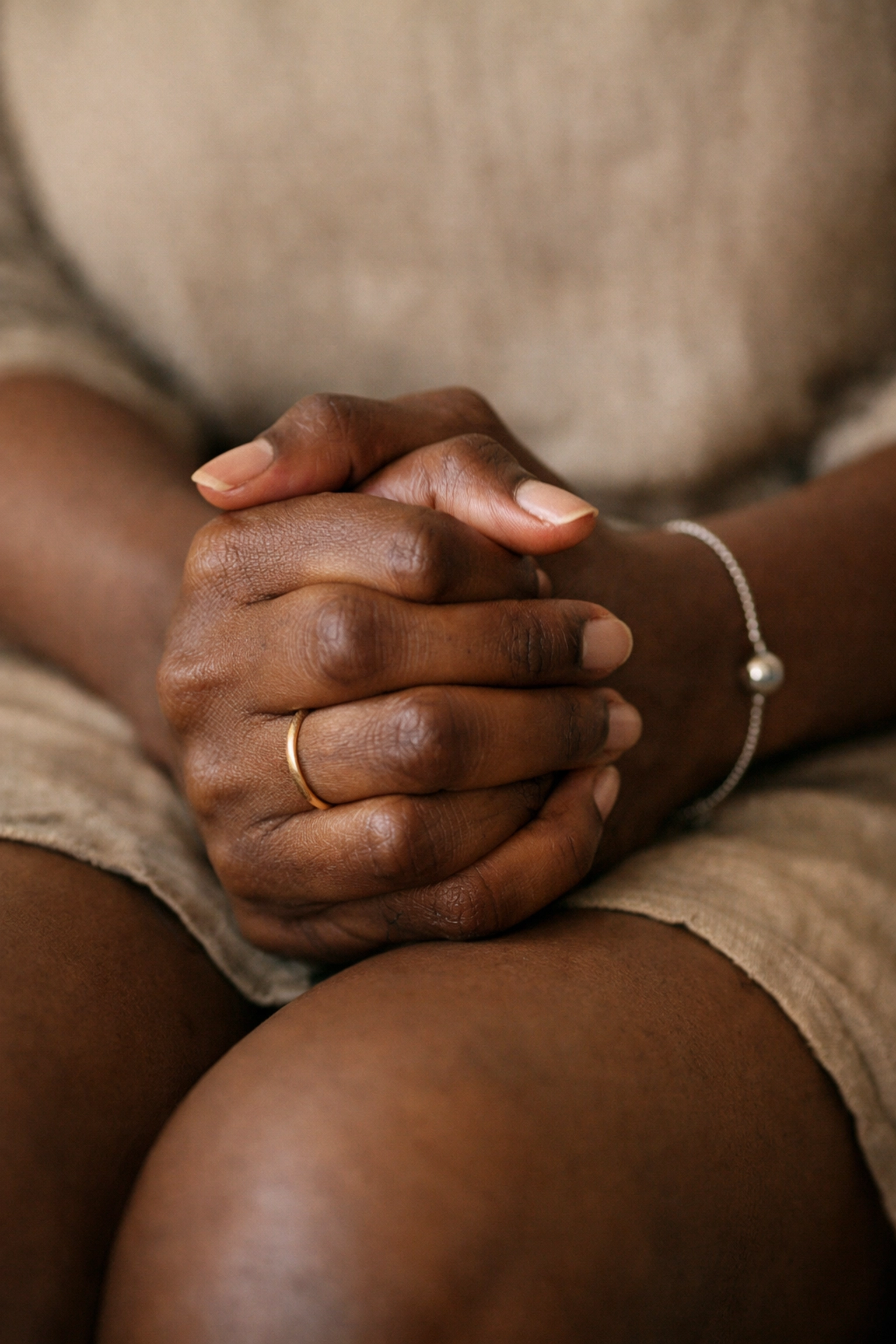
This shift doesn't happen overnight. You're working against years of conditioning, cultural messaging, and survival strategies. But it's worth it. Because the alternative, emotional isolation within your own relationship, is too costly.
Creating Space for Vulnerability: Practical Steps
If you're ready to start navigating vulnerability differently in your relationship, here are some practical approaches:
Start Small: You don't have to share your deepest trauma on day one. Start with small admissions. "I'm feeling overwhelmed today." "I could use a hug." "Can you help me with this?"
Name the Pattern: Talk with your partner about the SBW schema. Help them understand the cultural context shaping your responses. When they know what you're working against, they can better support your growth.
Practice Receiving: When your partner offers help, try saying yes. Notice what comes up: discomfort, guilt, resistance: and sit with those feelings instead of pushing them away.
Create Check-In Rituals: Establish regular emotional check-ins with your partner. "How are you really feeling this week?" Make space for honest answers, not automatic "I'm fine" responses.
Challenge the Narrative: When you catch yourself thinking "I should be able to handle this alone," pause. Ask yourself: "Would I expect my partner to handle this alone? Would I want them to?"
Seek Therapy for Women: Working with a Licensed Professional Counselor Supervisor who understands the intersection of cultural expectations and mental health can provide invaluable support in this process.
When Your Partner Doesn't Understand
Sometimes the challenge isn't just your own patterns: it's also how your partner responds. If your partner interprets your strength as not needing anything, they might pull back when you finally do express vulnerability.
This requires direct conversation. Help your partner understand that just because you've been handling everything doesn't mean you should have to. Explain that you're working on asking for support and that you need them to meet you halfway.
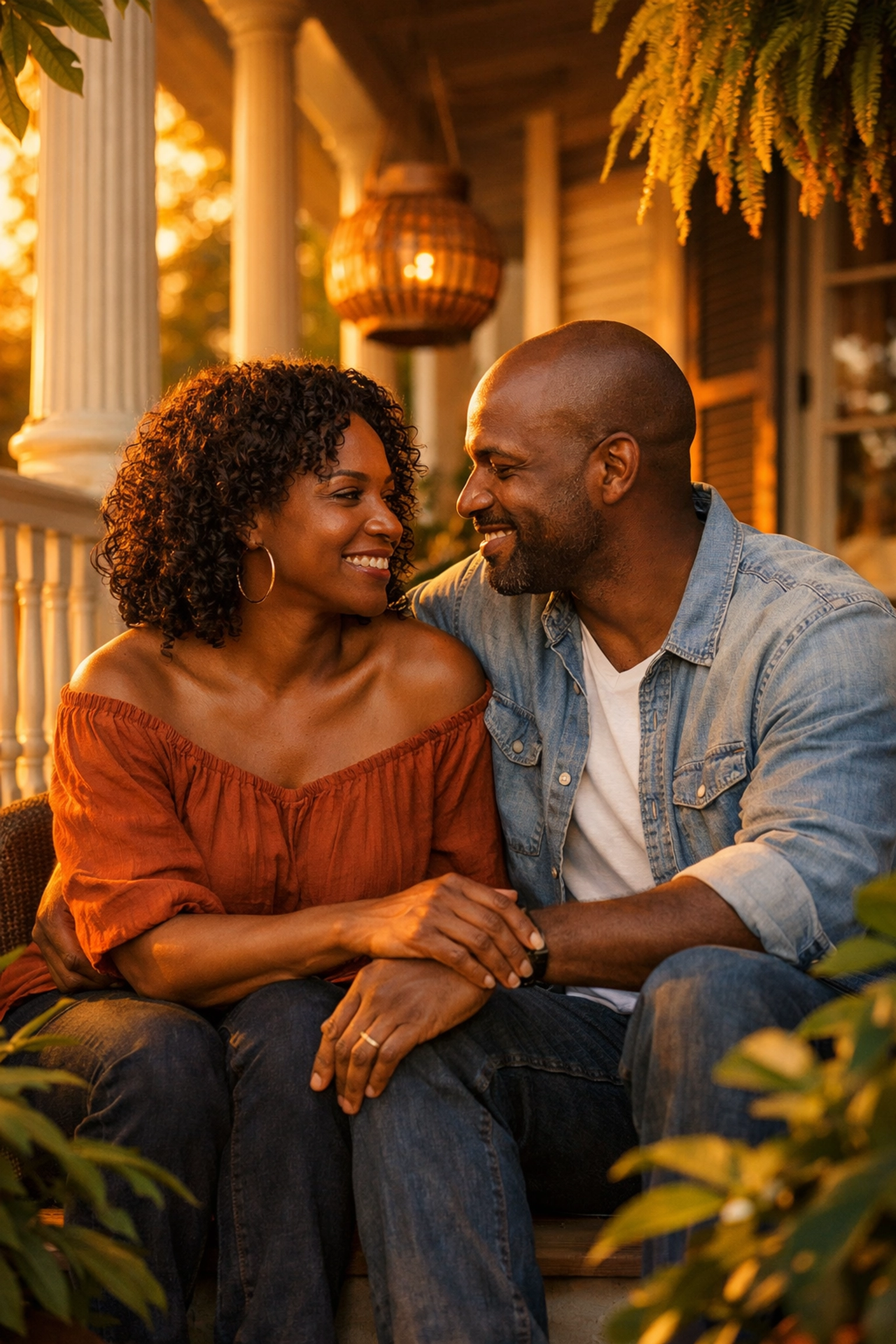
In therapy for women, particularly those navigating BIPOC relationships, we often work on communication strategies that help partners understand these dynamics. The goal isn't to make your partner fix everything: it's to create a relationship where both people can be fully human, needs and all.
The Role of Professional Support
Breaking down the Strong Black Woman schema isn't something you have to do alone (ironic, right?). Professional support can be transformative in this process.
As a Licensed Professional Counselor Supervisor specializing in trauma recovery and BIPOC relationships, I've worked with countless Black women navigating this exact challenge. Therapy provides a safe space to:
- Process the cultural messages you've internalized
- Develop new relationship patterns
- Work through trauma that might be compounding the schema
- Practice vulnerability in a controlled environment
- Address mental health symptoms like depression and anxiety
The reality is that Black women with financial means and professional status still underutilize mental health resources. Barriers like pride, distrust in systems, strong self-reliance, and feelings of being misunderstood keep many from seeking help.
But choosing therapy isn't admitting defeat. It's recognizing that you deserve support in building the relationships and life you want.
Moving Forward: Strength AND Softness
You don't have to choose between being strong and being vulnerable. You can be both. You can be the woman who handles hard things AND the woman who asks for help. You can be resilient AND need rest. You can be capable AND have needs.
The Strong Black Woman schema served a purpose in a world that offered little support or grace. But in your intimate relationships, you deserve more than survival mode. You deserve connection, understanding, and partnership where your strength is honored but your vulnerability is welcomed too.

This work takes time. Be patient with yourself as you navigate old patterns and create new ones. Celebrate small victories: the first time you ask for help without apologizing, the moment you let your partner see you cry, the day you realize you don't have to carry everything alone.
Your relationships: and your mental health: will be better for it.
Need support navigating vulnerability in your relationship? At The Mind and Therapy Clinic, we specialize in therapy for women, trauma recovery, and supporting BIPOC relationships through culturally informed care. Rodrego Way, Licensed Professional Counselor Supervisor, offers individual and couples therapy designed to help you build the authentic, connected relationships you deserve.
Ready to explore therapy? Contact us today to schedule a consultation and start your journey toward healthier relationship patterns.
Posted in: Mental Health, Stress Management
Tags: BIPOC relationships, trauma recovery, therapy for women, Black women's mental health, vulnerability in relationships, couples therapy, cultural healing
Leave a Comment: How has the Strong Black Woman schema shown up in your relationships? What's been most challenging about navigating vulnerability? Share your thoughts below.
Subscribe to Our Newsletter for weekly insights on mental health, relationship wellness, and culturally informed therapy approaches.