You know that feeling when you walk into a space and immediately know you belong? That's the power of community. And when it comes to healing from trauma, that sense of belonging isn't just nice to have: it's absolutely essential, especially for Black families and other BIPOC communities.
Here's the truth: traditional trauma therapy was never designed with us in mind. For too long, mental health care has focused on individual symptoms while completely ignoring the systemic oppression, historical trauma, and cultural context that shape our experiences. It's like trying to fix a leak without acknowledging the whole pipe is broken.
That's where community-based trauma recovery comes in, and it's changing everything.
Why the Old Model Doesn't Cut It
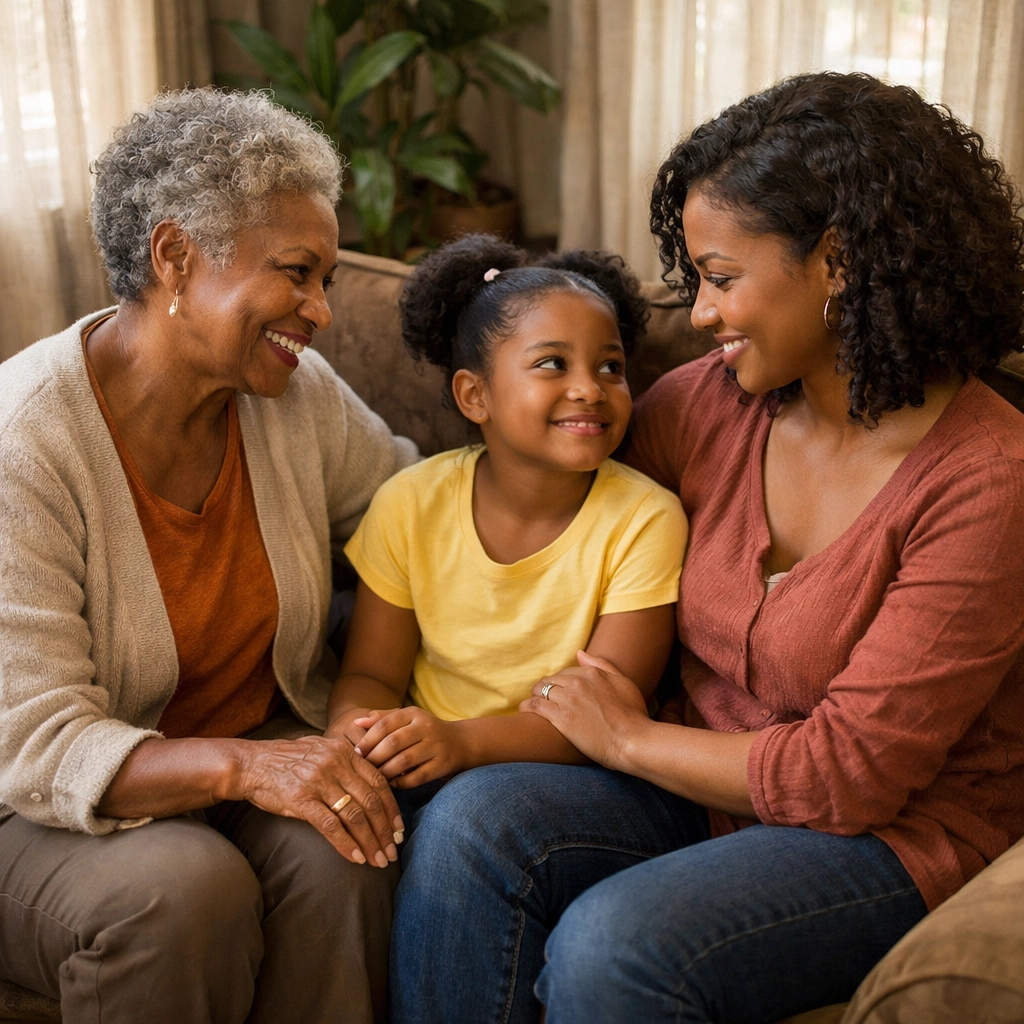
Traditional therapy models treat trauma like it exists in a vacuum. You sit in an office, talk about your individual experiences, and work through your symptoms one by one. But for BIPOC families, trauma isn't just personal: it's collective, intergenerational, and deeply tied to ongoing systemic realities.
We carry the weight of historical trauma, racial discrimination, and community violence. Our children are exposed to collective trauma at higher rates than their white peers. And yet, conventional therapy approaches keep treating these experiences as individual problems rather than recognizing the broader context that created them in the first place.
Add to that the very real barriers BIPOC families face when trying to access mental health care: cost, lack of culturally competent providers, transportation issues, childcare needs, and justified mistrust of systems that have historically harmed our communities. The traditional model wasn't just insufficient; it was set up to exclude us from the start.
What Makes Community-Based Recovery Different
Community-based trauma recovery flips the script. Instead of pulling people out of their communities to heal, it brings healing into the communities themselves. Churches, community centers, neighborhood gathering spaces, even someone's living room: these become the sites of transformation.
Here's what makes this approach so powerful:
Healing happens where you already are. You don't need to navigate unfamiliar medical buildings or explain your whole life story to strangers who don't share your cultural reference points. The healing space comes to you, meets you where you're comfortable, and honors the networks of support you've already built.
Cultural responsiveness isn't an add-on: it's the foundation. Community-based approaches actively affirm cultural values, use culturally appropriate language, and integrate traditional healing practices rather than viewing them as obstacles to "real" treatment. When your cultural identity is seen as a strength rather than something to work around, trust becomes possible.
The whole family heals together. Trauma doesn't just affect individuals; it ripples through entire family systems and communities. Community-based recovery acknowledges this reality and creates space for collective healing rather than isolating people in individual treatment.
The Strategies That Actually Work
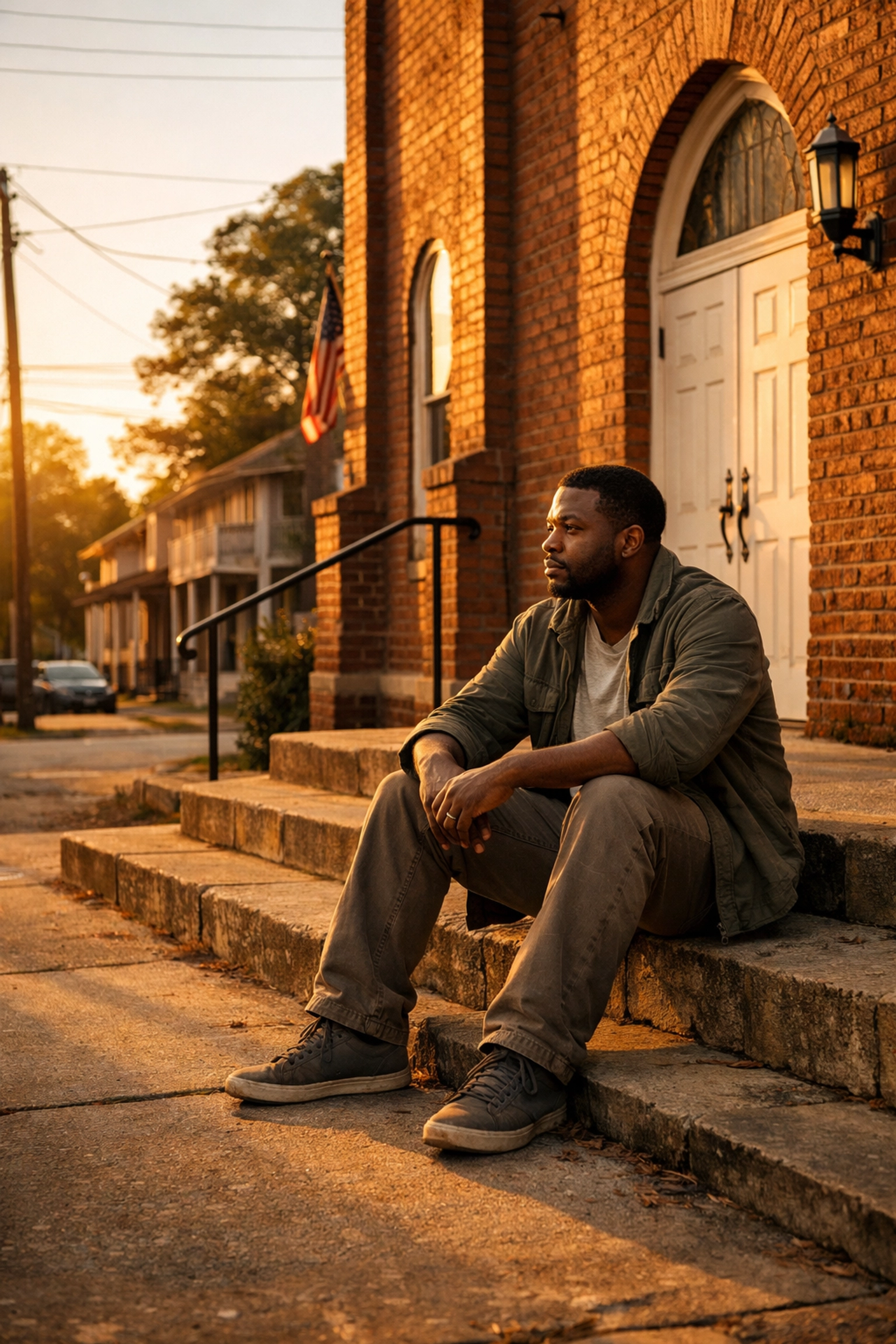
Let me break down some of the most effective community-based approaches we're seeing transform lives:
Neighborhood Healing Circles
These combine group therapy with cultural practices like shared meals, music, and storytelling. Instead of clinical language and diagnoses, healing circles create space for authentic connection and emotional expression within familiar cultural frameworks.
The beauty of healing circles is that they normalize emotional processing as a community activity rather than a medical intervention. When children see the adults in their lives openly processing emotions and supporting each other, they learn that healing is natural and communal: not something to hide or feel ashamed about. We're literally breaking cycles before they have a chance to form in the next generation.
Peer Family Navigation Programs
These programs train BIPOC families who've successfully navigated mental health systems to guide other BIPOC families through the same journey. Peer navigators understand cultural nuances and systemic barriers in ways traditional case managers simply cannot. They've lived the experience, they speak the language (both literally and culturally), and they get it.
What's crucial here is that peer navigators receive ongoing clinical supervision to ensure quality care while maintaining that authentic community connection. It's the best of both worlds: professional support grounded in lived experience.
Cultural Practice Integration
This is where healing gets really beautiful. Instead of separating "evidence-based therapy" from cultural traditions, we weave them together. African drumming in group sessions. Indigenous smudging ceremonies as grounding techniques. Latino family celebration traditions integrated into trauma processing.
These aren't just feel-good additions: they're powerful healing tools that connect people to their ancestral wisdom while addressing trauma in clinically sound ways. Your culture isn't something to set aside to get "real help." Your culture IS the help.
Restorative Justice in Schools and Communities
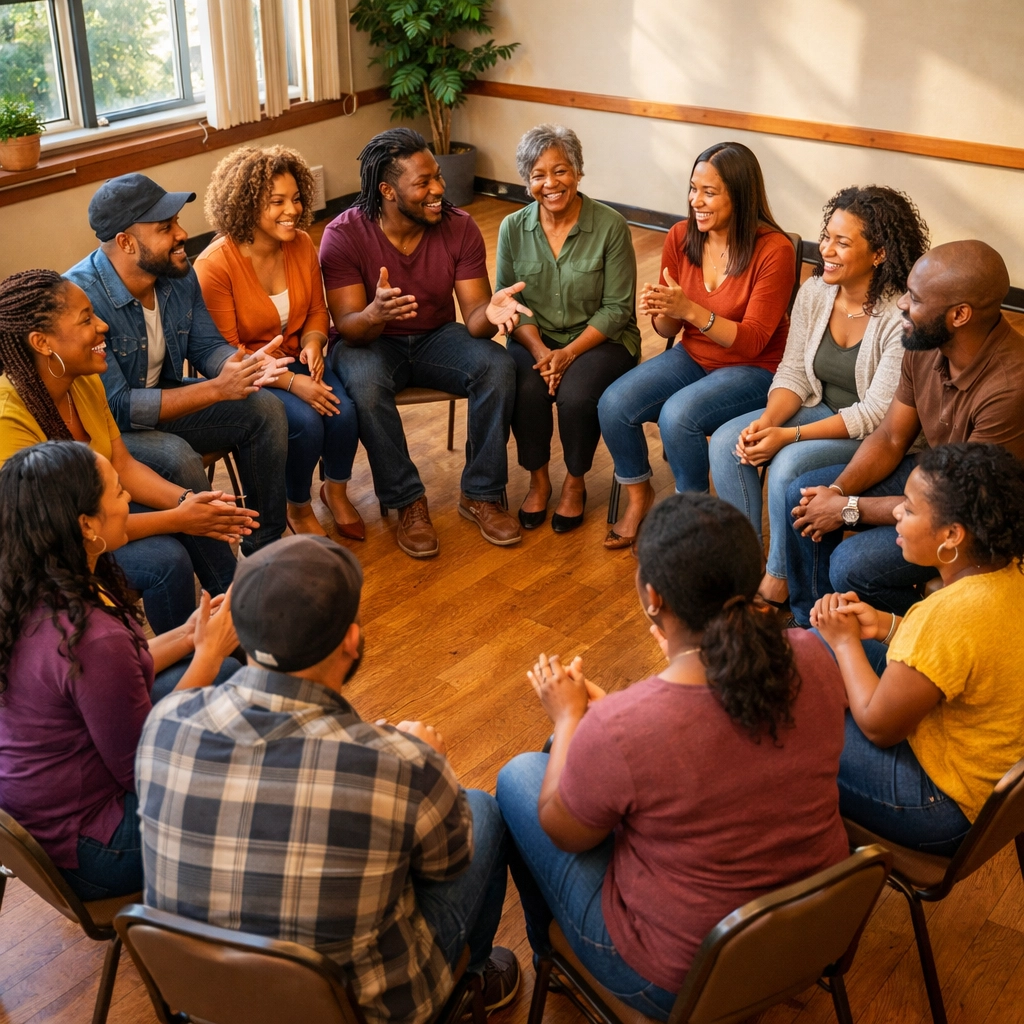
Rather than punitive discipline that disproportionately impacts Black children and feeds the school-to-prison pipeline, restorative justice models focus on rebuilding community and healing emotional wounds. When a young person causes harm, instead of punishment and exclusion, we create space for accountability, understanding, and repair.
This approach recognizes that hurt people hurt people: and that healing the community heals the individual, and vice versa.
Real Impact, Real Communities
Let's talk about what this looks like in action. Programs like Healing Circles of Detroit are demonstrating the transformative power of community-based recovery. Black youth and families participate in collective healing through storytelling, group therapy, and cultural rituals rooted in African traditions. These aren't abstract concepts: they're creating real, measurable change in people's lives.
Faith-based organizations, community health centers, and grassroots nonprofits across the country are now offering free or low-cost mental health support with therapists of color and trauma-informed workshops designed specifically for BIPOC communities. When professional therapy isn't accessible, community-based alternatives like journaling circles and storytelling groups provide powerful tools for connection and healing.
The impact goes beyond symptom reduction. Community-based recovery builds collective resilience, strengthens cultural identity, reduces isolation, and creates sustainable support networks that last long after formal programs end. People aren't just managing symptoms: they're thriving, reconnecting with their communities, and passing down healthier patterns to their children.
Why Choice and Autonomy Matter
Here's something critical that community-based approaches get right: they maintain choice and autonomy for families while acknowledging that ongoing systemic oppression contributes to trauma.
Traditional therapy models sometimes pathologize natural responses to real systemic harm. If you're anxious about police violence, that's not a disorder: that's a rational response to a genuine threat. Community-based recovery validates these experiences rather than treating them as individual pathology.
This validation fundamentally transforms the healing trajectory. We're not trying to "fix" people who are broken. We're supporting communities in building resilience against ongoing harm while processing the trauma that's already occurred. That's a completely different: and far more empowering: framework.
Getting Started With Community-Based Healing
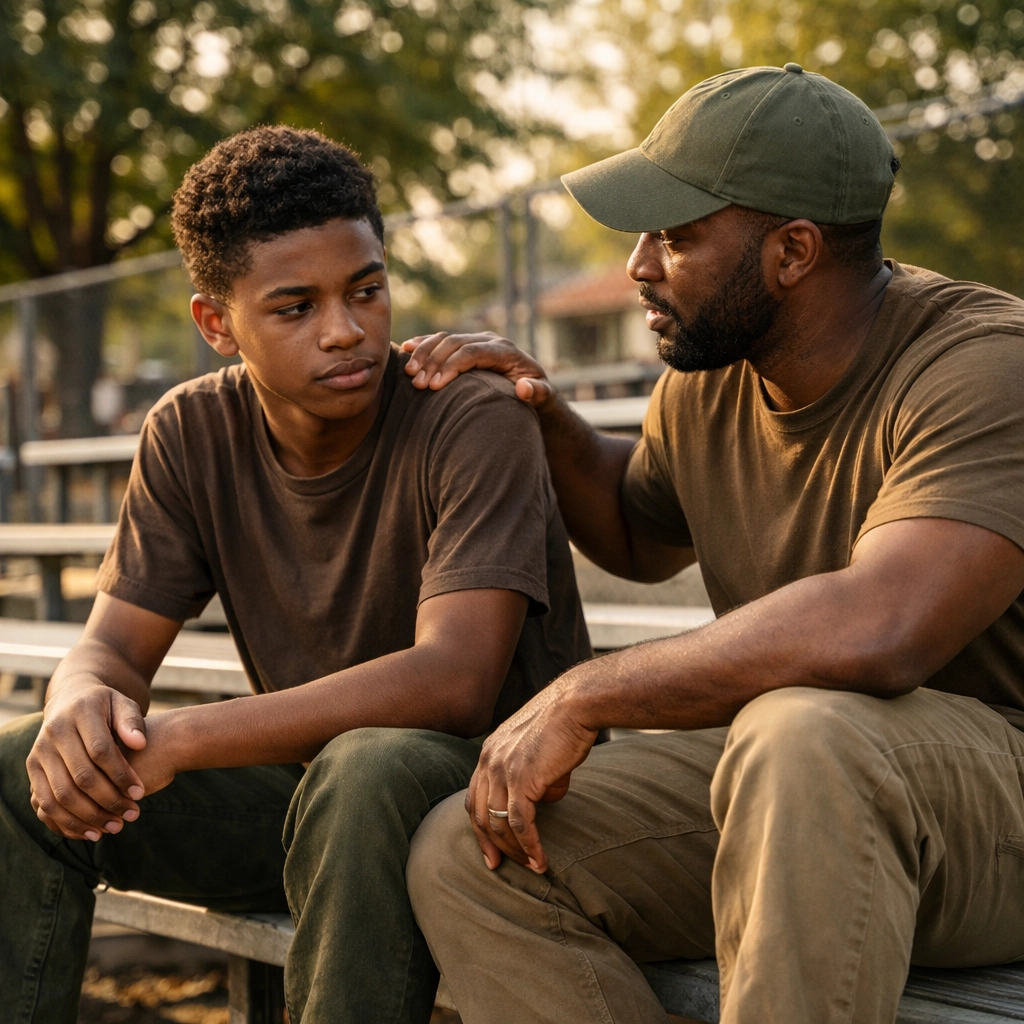
If you're reading this and thinking, "This is exactly what my family needs," here's how to get started:
Look locally first. Check with churches, community centers, cultural organizations, and grassroots nonprofits in your area. Many already offer healing circles, support groups, or culturally specific mental health programs.
Connect with peer support. Ask around in your community for families who've navigated similar challenges. Personal recommendations and peer connections are invaluable.
Don't wait for perfect. You don't need to find the "perfect" program to start healing. Sometimes just showing up to a community gathering or support group is the first step.
Bring your whole self. Your cultural identity, spiritual practices, and community connections aren't obstacles to healing: they're your greatest strengths. Find spaces that honor all of who you are.
At The Mind and Therapy Clinic, we're committed to providing culturally responsive, community-centered care that meets you where you are. Whether that's in our office, in partnership with community organizations, or through group programs that honor your cultural traditions, we're here to support your family's healing journey.
The Bottom Line
Community-based trauma recovery isn't just another treatment option: it's a fundamental shift in how we understand healing for BIPOC families. It recognizes that our trauma is collective, our strength is cultural, and our healing happens best in community.
We've been building resilience in the face of systemic oppression for centuries. Community-based recovery simply gives us the tools, space, and support to do what we've always done: survive, resist, and heal together.
Your family deserves healing that honors your history, respects your culture, and strengthens your community. That's not just good therapy: that's the kind of healing that transforms generations.
Ready to explore community-based healing for your family? Contact us to learn more about our culturally responsive programs and community partnerships. Let's start building your path to healing together.
Posted in: Mental Health
Tags: Community Healing, BIPOC Mental Health, Trauma Recovery, Black Families, Cultural Responsiveness, Collective Healing
About The Mind and Therapy Clinic
Rodrego Way, LPC-S, LCDC
Licensed Professional Counselor Supervisor
Licensed Chemical Dependency Counselor
Providing culturally responsive, trauma-informed care for individuals, couples, and families in the Black and BIPOC communities.