Let's get real for a minute. How many times have you heard "man up," "real men don't cry," or "just handle it" thrown around in your family, your community, or even in your own head? For Black men and men in other BIPOC communities, these messages aren't just casual advice, they're survival instructions passed down through generations.
But here's what nobody talks about: that so-called strength is quietly tearing our homes apart.
I'm Rodrego Way, and at The Mind and Therapy Clinic, I see it every single day. Brothers walking through my door carrying burdens they've been told they have no right to put down. Partners desperate to connect with men who've been taught that connection equals weakness. Kids watching their fathers suffer in silence and learning to do the same.
It's time we flip the script.
The Weight We've Been Carrying
The "strong man" narrative isn't just about personal preference, it's deeply rooted in our collective history. For Black and Brown men, showing vulnerability has historically been dangerous. In a world that already sees you as a threat, appearing weak could cost you your job, your freedom, or your life.
Our grandfathers and great-grandfathers learned to suppress their pain because expressing it wasn't safe. They swallowed their trauma from discrimination, economic hardship, and systemic oppression. They taught our fathers to do the same. And many of us inherited that same playbook without questioning whether it still serves us.
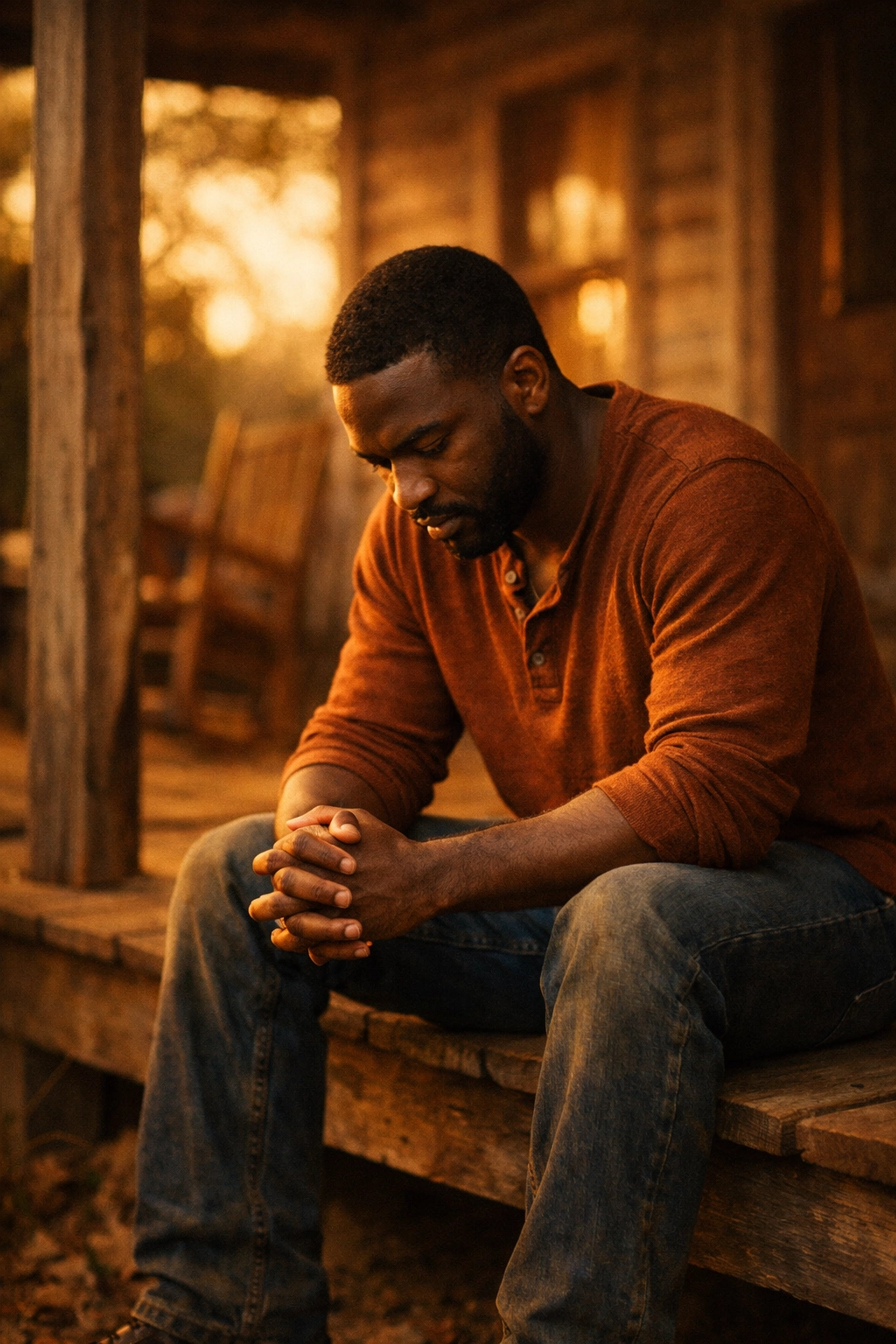
The problem? That playbook was written for survival in a specific context. But when you bring survival mode home, it doesn't create safety, it creates distance. It builds walls where there should be bridges.
What Happens When Men Stay Silent
When men bottle up their emotions, those feelings don't just disappear. They find other ways out. Maybe it's through:
- Anger that explodes over small things because the big things never got addressed
- Emotional withdrawal that leaves partners feeling like roommates instead of lovers
- Substance use to numb pain that was never properly processed
- Physical symptoms like headaches, high blood pressure, and chronic fatigue
- Depression and anxiety that go undiagnosed and untreated
Your family feels all of it, even when you think you're protecting them by staying quiet.
I've worked with countless couples where one partner says, "I don't even know who you are anymore." That's not because people fundamentally change, it's because one person has been hiding their true self for so long that even they've forgotten what authenticity feels like.
The Ripple Effect on Your Home
Let me paint a picture. A father comes home from work carrying stress he won't name. His partner asks what's wrong. "Nothing," he says, even though his jaw is tight and his shoulders are up by his ears. His kids pick up on the tension and get quiet. Everyone walks on eggshells.
This scene repeats itself thousands of times across BIPOC households. And over time, it teaches everyone in that home the same damaging lesson: feelings are dangerous, vulnerability is weakness, and asking for help is shameful.
Your children are watching. They're learning what it means to be a man, what relationships should look like, and how to handle (or not handle) life's challenges. When they see you struggling alone, they're learning to do the same.
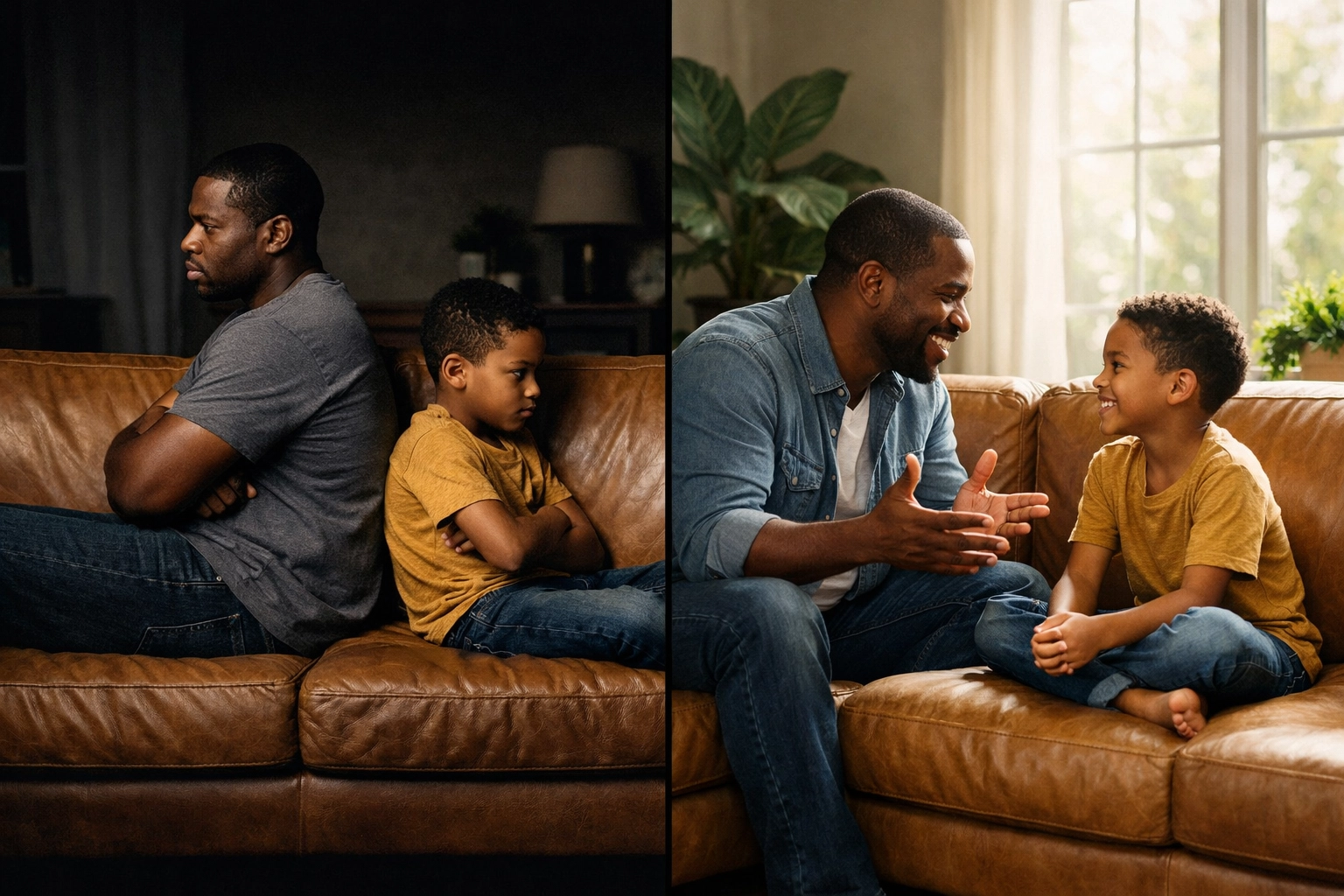
But here's the good news: they're also watching when you choose a different path.
Breaking the Cycle: What Changes When You Prioritize Your Mental Health
When men engage with therapy and prioritize their mental health, everything shifts. I've witnessed these transformations firsthand, and they're powerful.
Communication Opens Up
Therapy helps men develop the language for their emotions. Instead of "I'm fine" or silence, you learn to say "I'm overwhelmed," "I'm scared," or "I need support." This honesty creates space for real connection with your partner and children.
One client told me, "I used to think talking about my feelings was soft. Now I realize it was the hardest thing I've ever done, and it saved my marriage."
Emotional Regulation Improves
Learning to identify and manage emotions means fewer explosive arguments and more productive conversations. Your family stops bracing for impact every time stress enters the home.
Mindfulness techniques and cognitive behavioral strategies give you tools to pause, breathe, and respond thoughtfully instead of reacting from a place of buried pain.
Empathy Deepens
When you understand your own emotions better, you naturally become more attuned to others' feelings. You notice when your partner is struggling before they have to scream it. You pick up on your child's anxiety about school before it becomes a crisis.
This empathy doesn't make you weak, it makes you present. And presence is the foundation of every healthy relationship.
Breaking Generational Patterns
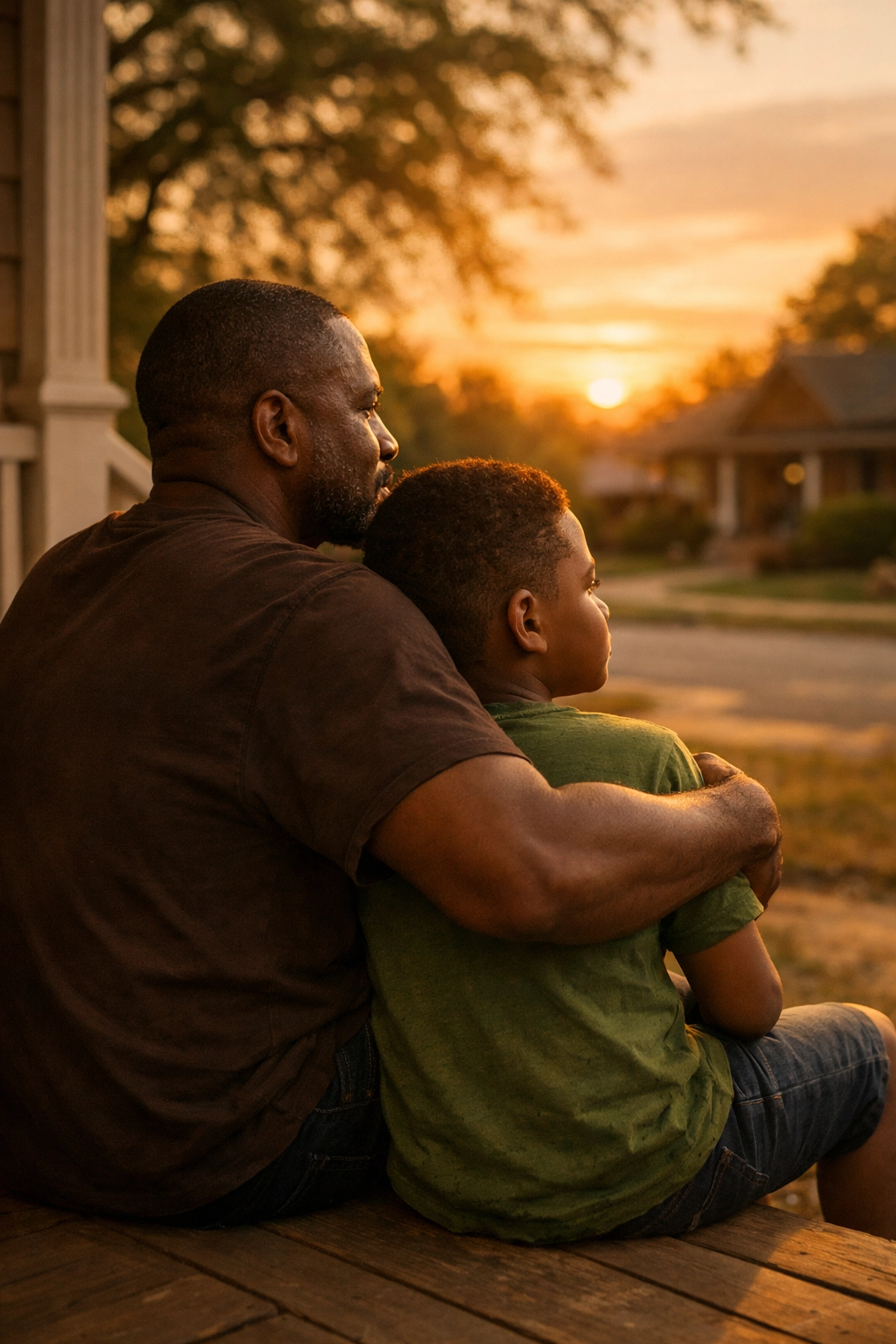
Perhaps most importantly, prioritizing your mental health interrupts the cycle of trauma that's been passed down for generations. You're not just healing yourself, you're creating a new template for your children and their children.
Community Trauma Needs Community Healing
Here's something crucial to understand: the mental health challenges facing Black and BIPOC men aren't just individual issues. They're rooted in collective trauma, the ongoing impact of racism, discrimination, economic inequality, and social marginalization.
You can't separate a man's mental health from the community context he lives in. The stress of navigating predominantly white workspaces, the hypervigilance required just to stay safe, the burden of being seen as a representative for your entire race, these things take a toll.
That's why healing needs to happen on multiple levels. Yes, individual therapy is powerful. But so is:
- Building authentic support systems with other men who understand your experience
- Engaging in couples therapy that addresses the specific dynamics affecting BIPOC relationships
- Connecting with community resources that provide culturally informed care
- Creating spaces where vulnerability is normalized and celebrated
At The Mind and Therapy Clinic, we understand these layers. We don't just treat symptoms, we address the whole context of your life.
Redefining Strength
Real strength isn't suffering in silence. Real strength is:
- Recognizing when you need help and asking for it
- Doing the uncomfortable work of examining your patterns
- Showing up authentically in your relationships
- Breaking cycles that no longer serve you
- Teaching the next generation a healthier way
Think about the strongest people you know, the ones who've truly overcome adversity. I bet they didn't do it alone. They had support. They asked questions. They were willing to be vulnerable enough to grow.
That's the kind of strength that builds healthy homes.
Practical Steps Forward
If you're reading this and thinking "okay, I'm ready to try something different," here's where to start:
-
Acknowledge what you're carrying. Just naming it: even to yourself: is a powerful first step.
-
Find a therapist who gets it. Cultural competence matters. You need someone who understands the specific pressures facing Black and BIPOC men.
-
Start small with vulnerability. You don't have to spill your entire soul at once. Try sharing one true feeling with someone you trust.
-
Build your support network. Identify other men who are also working on emotional health. Create spaces for honest conversation.
-
Involve your partner. Consider couples therapy to rebuild connection and communication together.
-
Be patient with yourself. You're unlearning decades of conditioning. That doesn't happen overnight.
Your Family Is Waiting
Your partner wants to know you: the real you, not the armor you've been wearing. Your kids need to see that it's okay to feel, to struggle, to ask for help. Your community needs examples of men who choose healing over hiding.
The "strong man" trap tells you that your value is in how much you can endure alone. But the truth? Your value is in your humanity, your capacity for growth, and your willingness to show up fully in your relationships.
Prioritizing your mental health isn't selfish: it's one of the most generous things you can do for your family. When you heal, everyone benefits.
Let's Talk
If this resonates with you and you're ready to explore what therapy could look like, I'd love to connect. At The Mind and Therapy Clinic, we specialize in working with Black families, BIPOC communities, and men navigating these exact challenges.
You don't have to figure this out alone. That's the whole point.
Contact us at The Mind and Therapy Clinic to schedule a consultation. Let's start building the healthy home your family deserves.
Leave a Comment: What's your experience with the "strong man" narrative? How has it shown up in your life or relationships? Share your thoughts below.
Subscribe to our newsletter for more insights on mental health, relationships, and healing in the Black and BIPOC communities.
Posted in: Men's Mental Health, Relationships, BIPOC Mental Health, Family Therapy
Tags: Black men's mental health, relationship communication, breaking generational trauma, couples therapy, emotional health, BIPOC families
The Mind and Therapy Clinic
Rodrego Way, LPC-S, LCDC | Licensed Professional Counselor Supervisor & Chemical Dependency Counselor