
Let's be real: how many times have you said "I'm fine" when you were anything but? If you're a Black man or man of color in a relationship, you've probably said it more times than you can count. And you're not alone.
As a therapist who works primarily with BIPOC communities, I see this pattern constantly. Men walk into my office carrying the weight of the world on their shoulders, yet struggle to express what's really going on inside. The truth is, communication barriers in relationships aren't just about "learning to talk better." For men in BIPOC communities, these barriers are deeply rooted in cultural expectations, survival strategies, and the daily reality of navigating a world that wasn't built for us.
Today, I'm breaking down the top three communication barriers I see Black men and men of color facing in their relationships: and more importantly, how to actually overcome them.
Barrier #1: The "Strong Man" Trap and Emotional Expression
You've heard it your whole life, haven't you? "Man up." "Be strong." "Don't let them see you sweat." These messages aren't just sayings: they're survival instructions passed down through generations of Black and Brown men who had to be strong to protect their families, their communities, and themselves.
But here's the problem: what once kept our grandfathers alive is now killing our relationships.
When vulnerability becomes synonymous with weakness, emotional expression feels like a betrayal of everything you were taught to be. You bottle things up. You say "I'm fine" when your partner asks what's wrong. You handle it on your own because that's what strong men do, right?
Wrong.
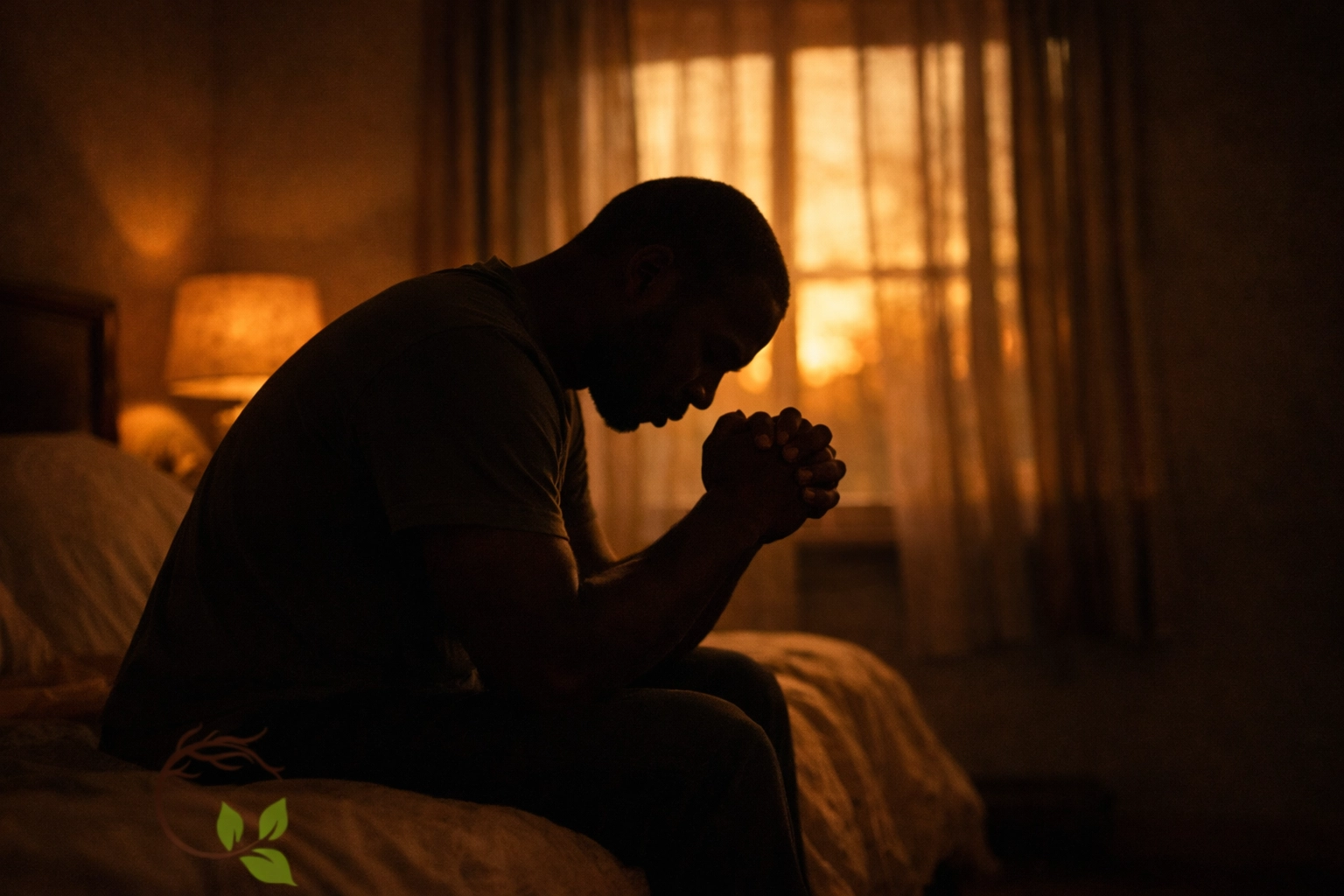
The reality is that vulnerability isn't weakness: it's actually the foundation of intimate connection. When you can't be vulnerable with your partner, you're essentially building a wall between you. And no relationship can thrive when there's a wall in the middle of it.
How to Break Through:
Start small. You don't have to bare your soul all at once. Pick one thing: maybe something that happened at work that frustrated you, or a worry you've been carrying about money. Share it with your partner. Notice what happens. Chances are, they won't judge you. They'll probably feel closer to you.
Create regular check-ins with your partner. Maybe it's Sunday mornings over coffee or Wednesday evenings after dinner. Set aside 15-20 minutes where you both share how you're actually feeling: not just logistically ("work was fine"), but emotionally ("work was stressful, and I've been feeling overwhelmed").
If opening up feels impossible, that's a sign that therapy might help. At The Mind and Therapy Clinic, we create safe spaces specifically for men to explore emotions without judgment. Sometimes you need to practice vulnerability in a neutral environment before you can bring it home.
Barrier #2: Cultural Communication Styles and Unspoken Expectations
Culture shapes everything about how we communicate. Maybe you grew up in a household where respect meant not questioning your elders, where direct confrontation was disrespectful, or where certain topics were simply off-limits. Your partner might have grown up completely differently.
These cultural differences show up in relationships in subtle but powerful ways. You might think you're being respectful by not bringing up a problem directly, while your partner thinks you're being distant or dishonest. Or maybe you value straightforward communication, but your partner sees it as harsh or aggressive.
Add in the cultural expectations around men's roles: provider, protector, problem-solver: and it gets even more complicated. You might feel like asking for help or admitting you don't know something undermines your position in the relationship.

How to Break Through:
First, get curious about your own communication style. Where did you learn to communicate this way? What were the rules in your family about conflict, emotions, and problem-solving? Understanding your own cultural blueprint is the first step.
Then, explore these patterns together with your partner. Make it a conversation, not an accusation. "I noticed I shut down when we argue. I think it's because in my family, raising your voice meant things were about to get dangerous. Can we talk about how we handle disagreements?"
Practice reflective listening. This means repeating back what your partner said to make sure you understood correctly. "So what I'm hearing is that when I don't respond right away, you feel like I'm ignoring you. Is that right?" This simple technique catches so many misunderstandings before they become bigger problems.
Pay attention to nonverbal communication too. Sometimes what's not being said is more important than what is. Body language, tone, facial expressions: these all carry meaning, and they're often culturally specific.
Barrier #3: External Racial Stress Bleeding Into Your Relationship
Here's what the research doesn't always talk about clearly enough: being a Black man or man of color in America is exhausting. The microaggressions. The discrimination. The constant vigilance. The code-switching. The racial trauma that lives in your body even when you're not consciously thinking about it.
And you're supposed to come home and just turn that off? Be present and communicative with your partner after a day of navigating all that?
The problem is, when you don't address how racial stress impacts your relationship, it shows up anyway: just in destructive ways. You're short-tempered. Withdrawn. Hypervigilant. Your partner asks what's wrong, and you say "nothing" because how do you even begin to explain the weight of what you're carrying?
How to Break Through:
Name it. Tell your partner when you're experiencing racial stress. "Today was rough. I dealt with some microaggressions at work, and I need some time to decompress before I can fully engage." This isn't weakness: it's giving your partner context so they don't personalize your mood.
Support each other actively. If your partner is also a person of color, they're likely carrying their own racial stress. Create space to share these experiences without trying to fix each other. Sometimes just being witnessed is healing.
Develop stress management practices together. Maybe it's a daily walk, meditation, working out, or connecting with community. Find what helps you process the external stress so it doesn't poison your internal connection.
Consider therapy specifically designed for BIPOC individuals and couples. At The Mind and Therapy Clinic, we understand the unique intersection of racial stress and relationship dynamics because we live it too.
Practical Communication Strategies That Actually Work
Beyond addressing these three barriers, here are some everyday practices that strengthen communication in BIPOC relationships:
Create rituals of connection. Daily check-ins, weekly date nights, monthly relationship reviews. These don't have to be formal or complicated: they just need to be consistent.
Use "I" statements instead of "you" statements. "I feel hurt when plans change last minute" lands differently than "You always cancel on me."
Take timeouts when needed. If a conversation is escalating, it's okay to pause. Just make sure you come back to it. "I need 20 minutes to calm down, but I want to finish this conversation. Can we talk at 8pm?"
Build your village. Healthy relationships don't exist in isolation. Connect with other couples, mentors, community groups. Having support systems reduces the pressure on your relationship to meet every single need.
Invest in your mental health individually. You can't show up fully in your relationship if you're not taking care of yourself. Therapy, coaching, support groups: these aren't signs of weakness. They're maintenance.
Moving Forward
Breaking through communication barriers isn't a one-time thing: it's an ongoing practice. Some days you'll get it right. Other days you'll fall back into old patterns. That's normal. What matters is the commitment to keep showing up, keep trying, keep communicating.
Your relationship deserves more than "I'm fine." You deserve more than carrying everything alone. The Black community and BIPOC communities need strong relationships, but strength doesn't mean silence. Real strength is showing up authentically, vulnerably, and courageously in your relationship: even when it's hard.
If you're struggling with communication in your relationship and want support navigating these barriers, reach out to us. We specialize in working with Black men, BIPOC individuals, and couples who are ready to build healthier, more connected relationships.
Posted in: Relationships, Men's Mental Health, BIPOC Mental Health, Communication
Tags: Black men's mental health, BIPOC relationships, communication barriers, couples therapy, relationship communication, vulnerability, racial stress
About the Author: Rodrego Way, Licensed Professional Counselor Supervisor (LPC-S), LCDC, is the owner and lead therapist at The Mind and Therapy Clinic, specializing in trauma-informed care for Black and BIPOC communities.
Subscribe to our newsletter to receive more insights on mental health, relationships, and healing in the Black community.