
You've heard it before: probably said it yourself: "I'm fine. I got this." But what happens when those four words become the default response in your marriage? When being strong means you can never be soft? When carrying everything means you're carrying it alone?
At The Mind and Therapy Clinic, I work with Black couples navigating this exact issue. The "Strong Black Woman" trope isn't just an outdated stereotype: it's a relationship killer that's been internalized so deeply that many women don't even realize they're living it.
Let's talk about how this plays out in your home and what you can actually do about it.
The Armor We Wear Daily
Here's the thing: Black women didn't create this trope. It was crafted through centuries of systemic oppression that demanded resilience just to survive. But survival mode and thriving in a marriage? Those are two completely different things.
Research shows that Black women internalize this stereotype as an actual obligation: a checklist of behaviors that include presenting constant strength, suppressing emotions, resisting vulnerability, succeeding despite limited resources, and always helping others. It's exhausting just reading that list, isn't it?
One client described it perfectly: "I put on my armor every morning before I even brush my teeth. I don't know how to take it off anymore, even with my husband."
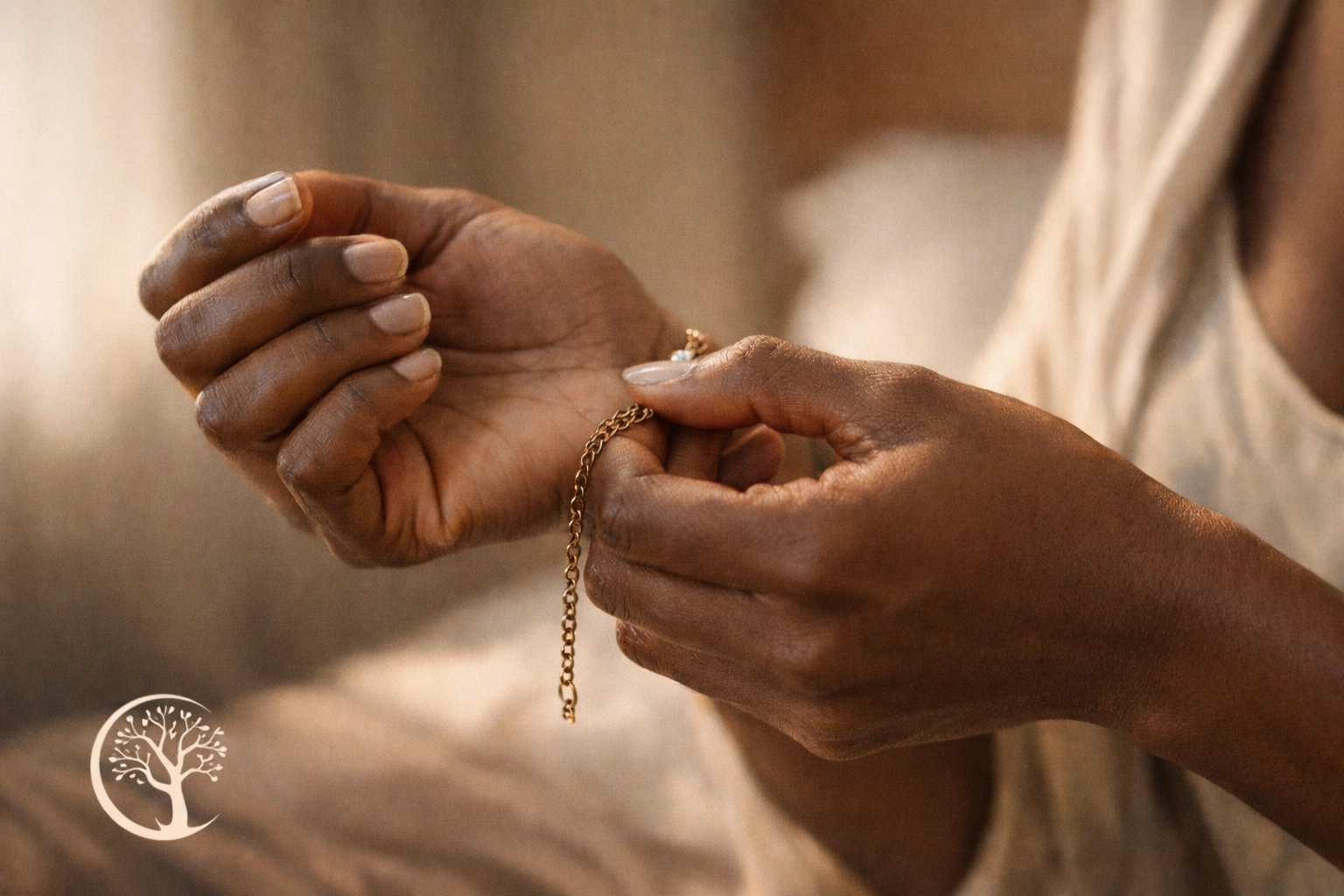
That armor? It's creating a wall between you and the person who's supposed to be your partner.
Three Ways This Trope Sabotages Your Marriage
1. The Dimming Effect
You know what I see constantly in my practice? Incredibly capable Black women deliberately making themselves smaller in their relationships. Not because they want to, but because they've internalized the message that being "too much" will drive their partner away.
You're editing your accomplishments. Downplaying your intelligence. Staying quiet when you should speak up. You're not being authentic: you're performing a version of yourself that you think will keep the relationship intact.
But here's the truth: A partnership built on you diminishing yourself isn't a partnership at all. It's a slow-motion breakdown of intimacy disguised as peacekeeping.
2. The Comparison Trap
The "Strong Black Woman" stereotype comes with a twisted companion message: that Black women are less desirable, less worthy of tenderness, less deserving of support than women of other races. When that message gets internalized, it breeds insecurity that poisons everything.
You start keeping score. Comparing yourself. Wondering if you're enough. And that constant internal questioning creates distance: not because your partner is pulling away, but because you're building walls to protect yourself from anticipated rejection.
3. The Shutdown Cycle
This is where things get really destructive. When you've spent years being everything to everyone: strong, capable, unbreakable: you eventually hit a wall. The emotional exhaustion manifests as defensiveness, hostility, or complete withdrawal.
Your partner reaches out, and you snap. They offer help, and you refuse. They want to talk, and you shut down. It's not that you don't want connection: it's that you've forgotten how to accept it without feeling like you're failing.
Black women are twice as likely to experience major depression compared to men, yet only half seek help. That untreated burden doesn't just affect you: it suffocates the relationship.
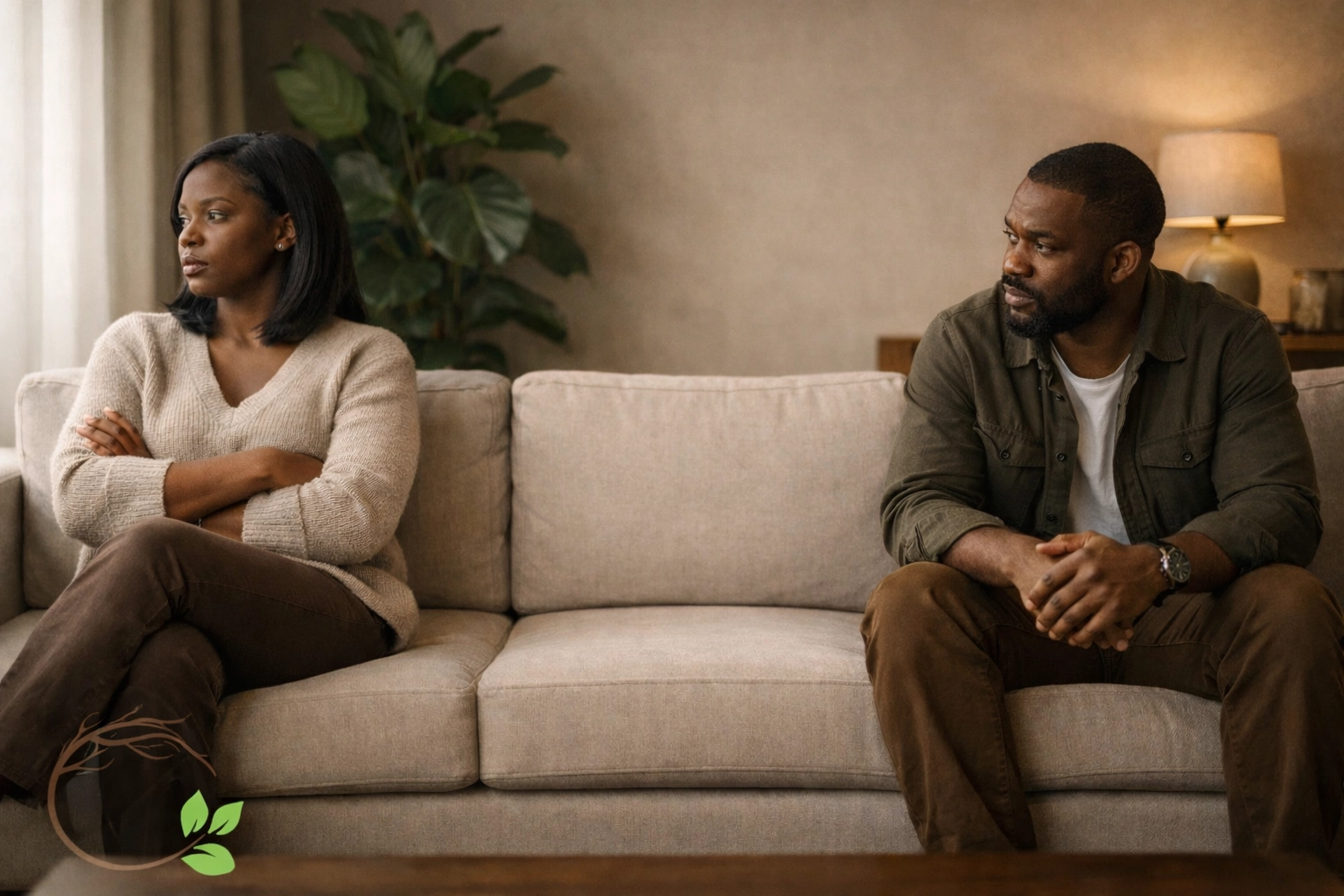
What This Actually Looks Like in Your Home
Let me paint you a picture from real couples I've worked with (details changed for privacy, of course):
Scenario 1: Your partner asks how your day was. You say "fine" even though you're drowning in stress. Why? Because admitting struggle feels like weakness, and weakness feels dangerous.
Scenario 2: You're sick, exhausted, or overwhelmed, but you still cook dinner, help with homework, and handle the household crisis because asking for help would mean admitting you can't do it all.
Scenario 3: Your partner compliments you or expresses appreciation, and you deflect or minimize it because accepting acknowledgment feels uncomfortable when you've been conditioned to expect nothing in return for everything you give.
Sound familiar? These aren't isolated incidents: they're patterns that create emotional distance over time.
The Vulnerability Paradox
Here's what trips people up: The more capable you appear, the more isolated you become. Your strength becomes a barrier to intimacy because real connection requires vulnerability: the exact thing the "Strong Black Woman" trope forbids.
Your partner can't support you if you won't let them see your struggles. They can't celebrate you if you won't accept their praise. They can't love all of you if you're only showing them the armored version.
And the worst part? You're not just protecting yourself from potential hurt: you're guaranteeing emotional distance in the process.
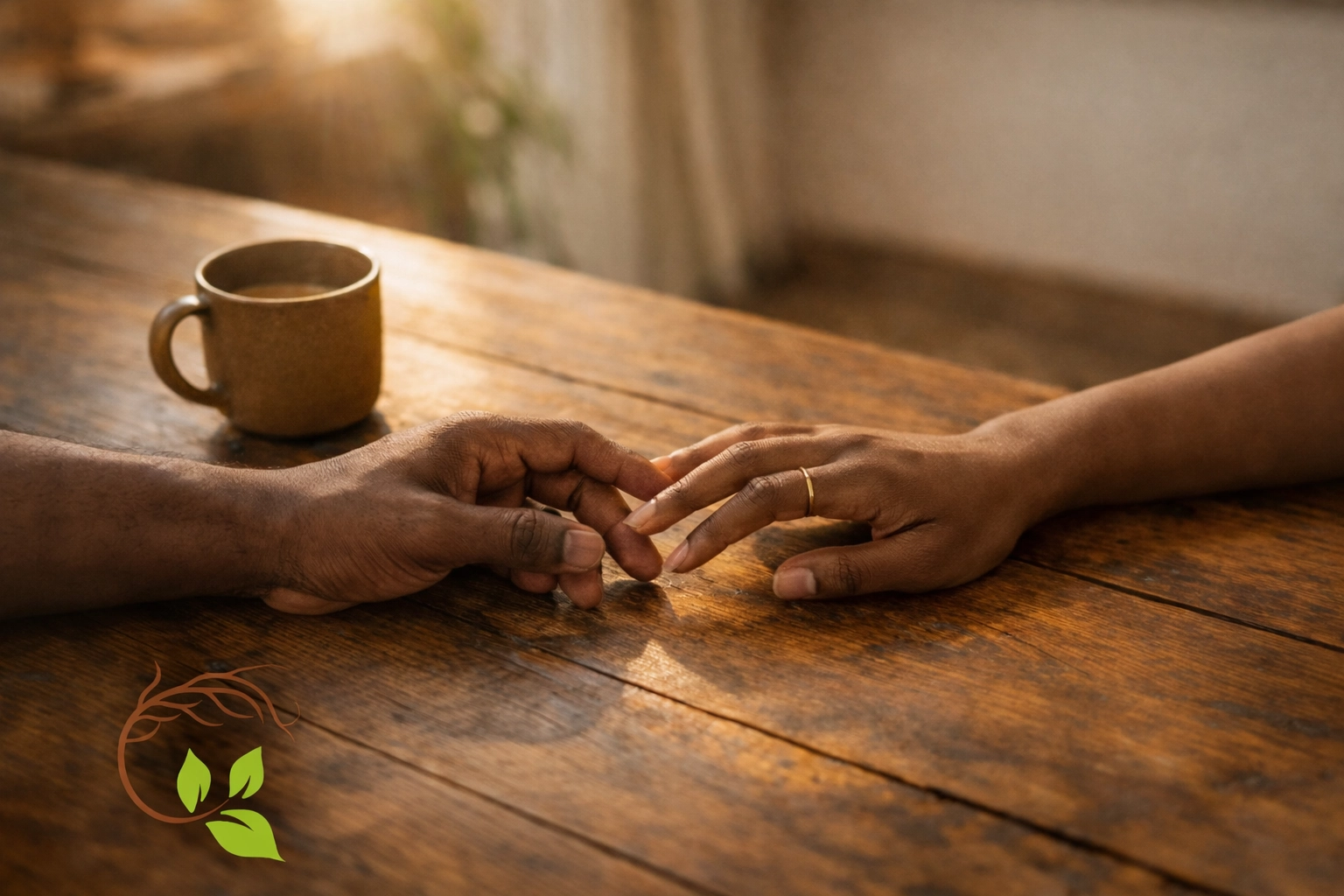
Breaking the Pattern: What Actually Works
Start Small with Vulnerability
You don't have to tear down all your walls at once. Try this: Pick one low-stakes situation this week where you admit you need help or express a genuine emotion. Notice what happens. Most likely, your partner will respond with support, not judgment.
Name the Pattern Out Loud
Have a conversation with your partner about the "Strong Black Woman" trope and how it's affecting your relationship. Use phrases like: "I realize I've been conditioned to handle everything alone, and I'm working on changing that." Naming it takes away some of its power.
Challenge the "Should" Statements
Every time you catch yourself thinking "I should be able to handle this" or "I shouldn't need help with this," stop and ask: Says who? Challenge the invisible rulebook you're following that was never designed with your wellbeing in mind.
Get Professional Support
Sometimes you need help unlearning patterns that have been reinforced your entire life. That's not weakness: that's wisdom. At The Mind and Therapy Clinic, we specialize in helping Black couples navigate exactly these kinds of culturally-specific relationship dynamics.
As a Licensed Professional Counselor Supervisor, I've seen countless couples transform their relationships by addressing these internalized messages head-on. The work isn't easy, but it's absolutely worth it.
Your Marriage Deserves Better
The "Strong Black Woman" trope was never about your empowerment: it was about survival in a system designed to break you. But you don't have to survive your marriage. You can thrive in it.
That means unlearning the idea that needing your partner is a weakness. It means accepting that rest isn't laziness and asking for support isn't failure. It means showing up as your full, authentic self: armor off, walls down, heart open.
Your relationship isn't asking you to be less strong. It's asking you to be strong enough to be vulnerable.
Take the Next Step
If you're reading this and recognizing yourself in these patterns, you're not alone. More importantly, you're not stuck.
Ready to do the work? Schedule a consultation with us at The Mind and Therapy Clinic. We offer individual therapy, couples counseling, and specialized support for Black families navigating these exact challenges.
Not ready for therapy yet? Start by having an honest conversation with your partner this week. Share this article. Talk about what resonated. Take one small step toward showing up differently.
Your marriage doesn't need you to be perfect. It needs you to be present: fully, authentically, vulnerably present.
Posted in: Relationships, Marriage Counseling, Cultural Healing
Tags: Counseling, Therapy, Black Relationships
The Mind and Therapy Clinic
Rodrego Way, LPC-S, LCDC
Owner/Therapist
Contact us to schedule your appointment today.
Leave a Comment
What patterns have you noticed in your own relationship? Share your thoughts below.
Subscribe to Our Newsletter
Get weekly insights on relationships, mental health, and cultural healing delivered to your inbox.