You've probably heard the saying "it takes a village to raise a child." But here's what nobody tells you: it takes a village to sustain a marriage too: especially for BIPOC couples navigating a world that wasn't exactly built with our thriving in mind.
I'm Rodrego Way, and in my years working with Black families and other communities of color at The Mind and Therapy Clinic, I've watched countless marriages crumble not because the love wasn't there, but because the support system wasn't. And I've seen just as many relationships transform when couples stopped trying to do it all alone.
Let's talk about why your marriage might be one good support system away from the breakthrough you've been looking for.
The Village We Lost (And Why It Matters More Than You Think)
Historically, Black and Indigenous communities understood something profound: relationships don't exist in isolation. Our grandparents and great-grandparents relied on extended family, neighbors, church members, and community networks not just for babysitting or borrowed sugar: but for relationship wisdom, conflict mediation, and emotional reinforcement.
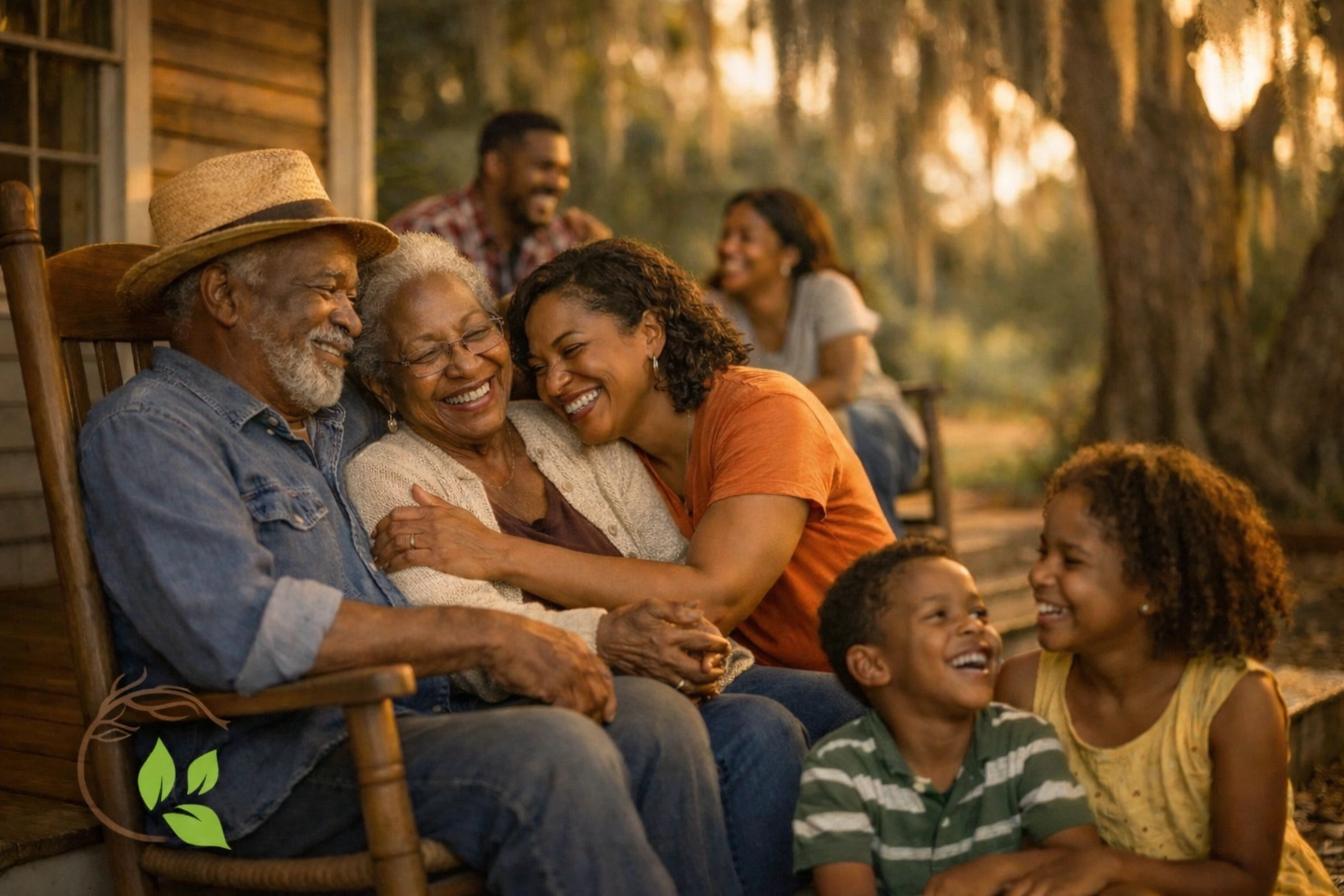
That village structure wasn't just nice to have. It was protective armor against the daily grind of systemic racism, economic stress, and social trauma that threatened to tear families apart. When one couple struggled, the village held them up. When communication broke down, elders stepped in. When money got tight, the community pooled resources.
Fast forward to 2026, and many BIPOC couples are trying to build marriages in isolation: disconnected from extended family due to migration, estranged from communities because of gentrification, or simply too exhausted from surviving to invest in relationships outside their home.
The result? Marriages are carrying weight they were never designed to bear alone.
What Happens When Your Marriage Becomes an Island
Here's the hard truth I share with couples in my office: when you isolate your relationship, you amplify every problem.
Without a healthy support system, BIPOC marriages face:
- Magnified stress from racial trauma – You're processing workplace microaggressions, police violence news cycles, and daily discrimination with only your partner as your sounding board
- Communication breakdown – No outside perspectives means the same arguments cycle endlessly without resolution
- Financial pressure intensifies – Economic challenges hit harder when there's no one to lean on for childcare, advice, or temporary support
- Mental health suffers in silence – Depression, anxiety, and unprocessed trauma fester without community accountability or encouragement to seek help
- Unrealistic expectations – Your partner becomes your therapist, best friend, financial advisor, and only emotional outlet: a recipe for burnout
Research backs this up. Studies show that people without strong face-to-face social networks are more than twice as likely to experience relationship distress and health problems compared to those with active, supportive communities.
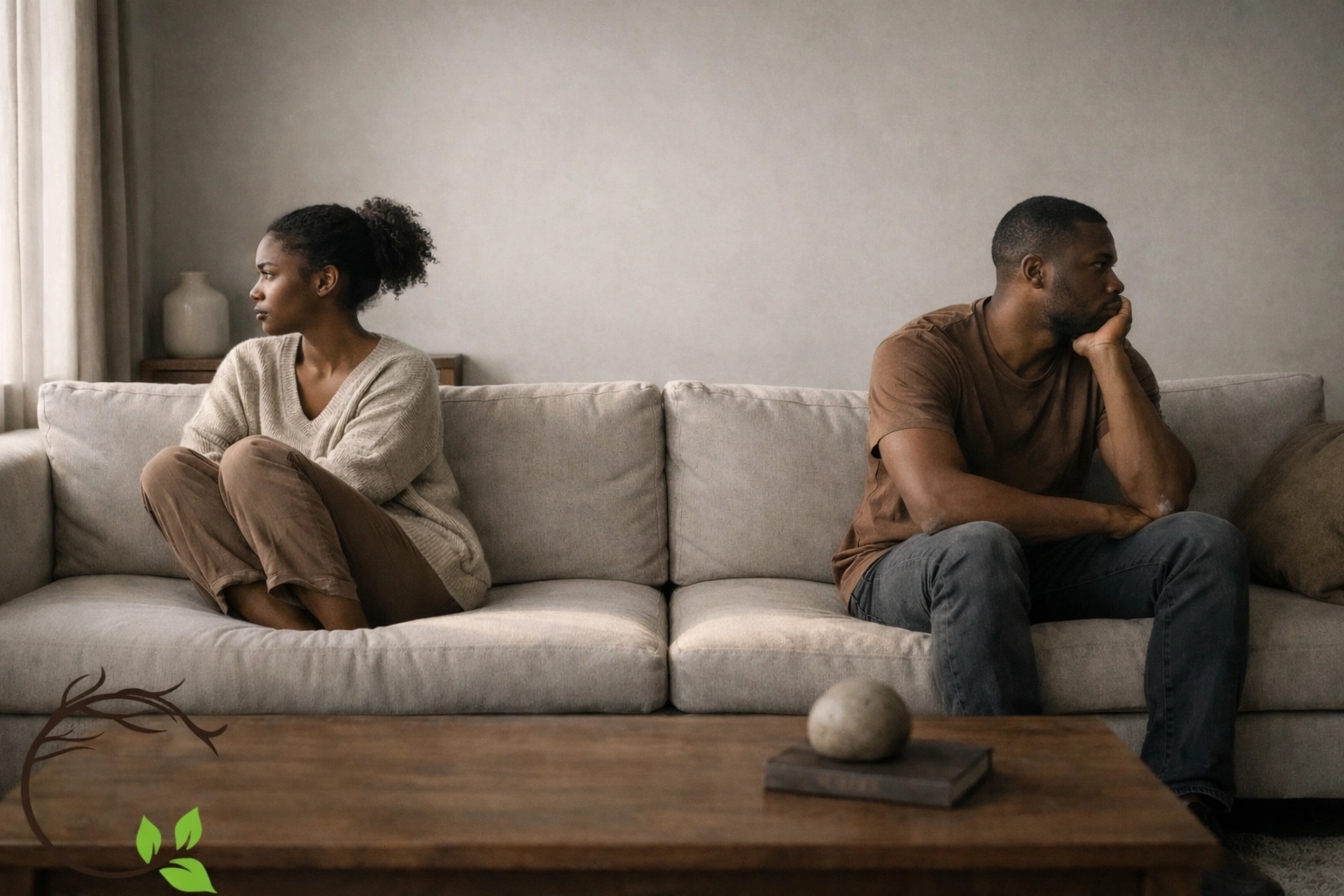
For BIPOC couples specifically, the absence of culturally competent support: people who understand the unique intersection of relationship challenges and racial stress: leaves partners feeling like they're fighting battles no one else can see.
The Science Is Clear: Your Village Literally Saves Lives (And Marriages)
Susan Pinker's research on "The Village Effect" demonstrates something powerful: face-to-face social contact isn't just emotionally beneficial: it's physically life-extending. Quality relationships reduce stress hormones, boost immune function, and create resilience against life's hardest moments.
But here's where it gets specific to marriage: couples with strong support systems report higher satisfaction, better conflict resolution, and longer-lasting relationships.
Why? Because a healthy village provides:
- Reality checks – Friends and family can gently call out unhealthy patterns you've normalized
- Practical support – From childcare to emergency funds, material help reduces relationship-killing stress
- Modeling – Seeing other BIPOC couples navigate challenges successfully gives you a roadmap
- Accountability – Your community holds both partners responsible for growth and change
- Perspective – Sometimes you need someone outside your marriage to remind you why you fell in love in the first place
For Black men specifically: who often carry the burden of being "strong" while managing their own mental health struggles: having a support system creates space to be vulnerable without fear of judgment.
Building Your Village: Practical Steps for BIPOC Couples
You don't need a massive community overnight. You need intentional, consistent connections with people who genuinely support your relationship's health. Here's how to start:
1. Identify Your Core Support People
List 3-5 people who:
- Celebrate your relationship (not just tolerate it)
- Respect both partners equally
- Can be trusted with vulnerable conversations
- Share or understand your cultural experience
This might include family members, close friends, mentors, or other couples.
2. Create Regular Touchpoints
Support systems die from neglect. Schedule:
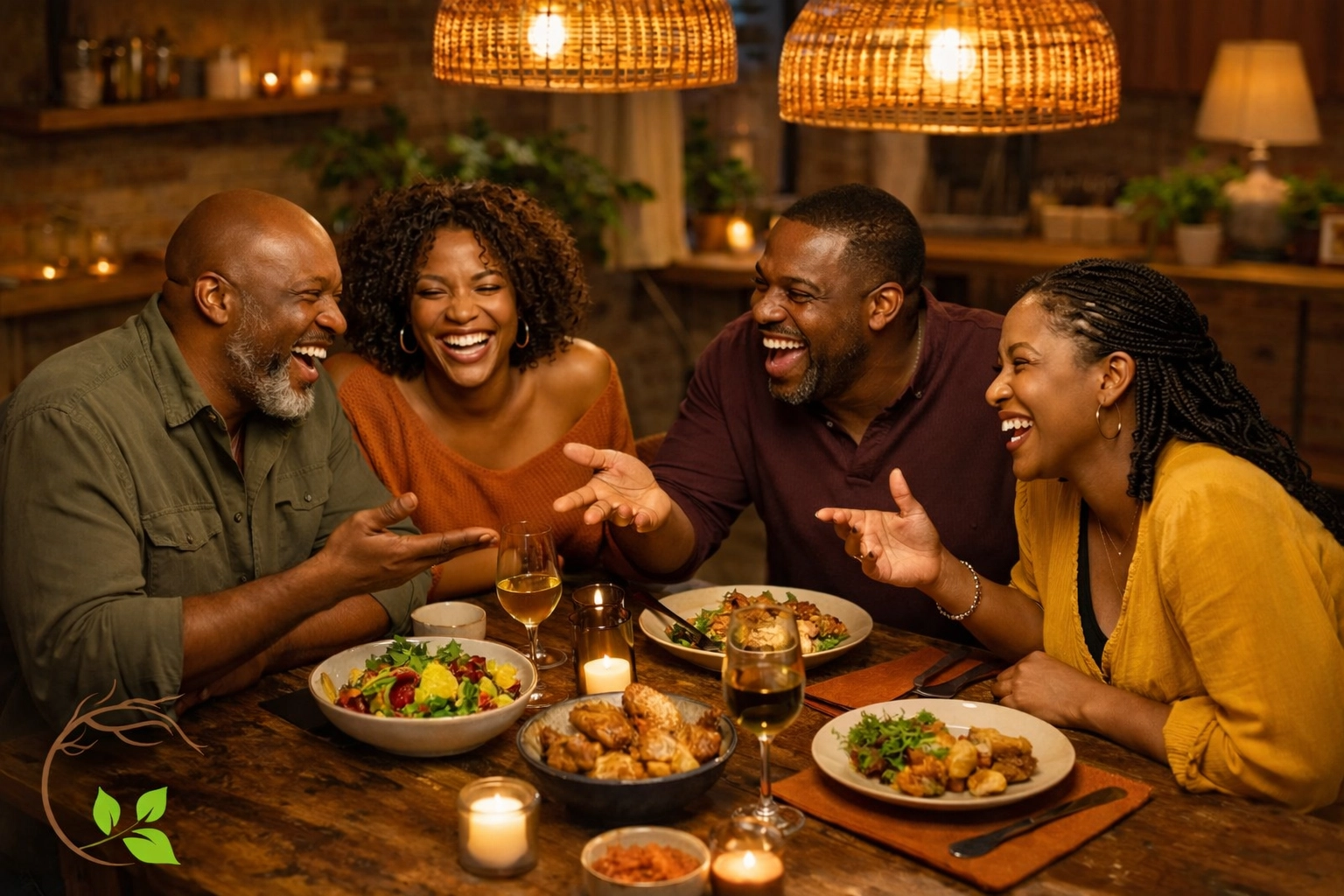
- Monthly couple hangouts with another BIPOC couple
- Weekly check-ins with a trusted friend or family member
- Quarterly "state of the union" conversations with your core people about how your marriage is doing
3. Join or Build Community Spaces
Look for:
- Black marriage enrichment groups
- BIPOC-focused therapy or support groups (like those we offer at The Mind and Therapy Clinic)
- Cultural organizations and community centers
- Faith communities with active couples' ministries
- Online forums for BIPOC relationships (but prioritize face-to-face connection)
4. Be Specific About What You Need
Don't just say "we need help." Tell your village:
- "Can you watch the kids twice a month so we can have date night?"
- "We're working through some communication issues: can you check in on us?"
- "We need advice from couples who've navigated financial stress"
Specificity makes it easier for people to show up meaningfully.
5. Reciprocate and Invest
Your village can't be one-sided. Show up for others' relationships too. Celebrate their wins. Offer your home for gatherings. Be the support you're asking for.
The Unique Role of Men in Seeking Support
Brothers, I see you. I know the cultural messaging tells you that asking for help is weakness. That "real men" handle everything alone. That showing vulnerability makes you less of a provider or protector.
That's a lie that's destroying marriages.
The strongest BIPOC men I know: the ones with thriving relationships: are the ones who've built support systems. They have other men they can call when they're struggling. They seek couples therapy before problems become crises. They admit when they don't have all the answers.
Building a village isn't abandoning your role as a man. It's fulfilling it more completely by ensuring your family has every advantage.
When Community Trauma Requires Community Healing
Here's something crucial: if you're dealing with community-based trauma or social trauma: whether from police violence, systemic racism, economic oppression, or historical trauma passed through generations: individual therapy isn't always enough.
BIPOC couples need collective healing spaces where the trauma you're carrying is understood in its full context. Where your exhaustion makes sense. Where your rage is validated. Where your grief is witnessed.
This is why culturally competent therapy and community support aren't luxuries: they're necessities. At The Mind and Therapy Clinic, we specialize in helping BIPOC individuals, couples, and families navigate both personal and collective trauma because we understand: your relationship doesn't exist separate from your community's pain and resilience.
Your Next Steps Start Today
Building a village doesn't happen overnight, but it starts with one intentional choice. Here's your action plan:
This Week:
- Identify one couple or individual you trust and schedule time to connect
- Have an honest conversation with your partner about what support you're both missing
This Month:
- Research BIPOC-focused therapy, support groups, or community organizations
- Reach out to at least three people to begin rebuilding your village
- Set a regular date for couple connection with another trusted pair
This Quarter:
- Evaluate your support system's health: are the right people in the right roles?
- Consider professional support through couples therapy focused on BIPOC relationship dynamics
- Create a "village plan" with your partner outlining who provides what type of support
You Weren't Meant to Do This Alone
The truth is simple: BIPOC marriages are navigating challenges that require more than individual willpower and private commitment. You need community. You need witnesses. You need people who've walked similar paths and emerged stronger.
Your ancestors knew this. Your elders lived this. And the research confirms it: healthy support systems don't just improve marriages: they save them.
If you're ready to stop carrying your relationship challenges alone, if you're ready to build the village your marriage deserves, we're here to help. At The Mind and Therapy Clinic, we provide culturally competent therapy for individuals, couples, and families navigating the unique intersection of relationship challenges and BIPOC experiences.
Ready to strengthen your relationship with professional support? Learn more about our services or reach out today to schedule a consultation.
Posted in: Marriage & Relationships, BIPOC Mental Health, Couples Therapy, Community Healing
Tags: BIPOC marriages, Black relationships, support systems, couples therapy, community trauma, men's mental health, relationship strengthening
About the Author: Rodrego Way, Licensed Professional Counselor Supervisor (LPC-S), LCDC, is the owner and lead therapist at The Mind and Therapy Clinic, specializing in trauma-informed care for BIPOC individuals, couples, and families. With years of experience supporting Black communities through relationship challenges, mental health struggles, and collective healing, Rodrego is committed to culturally competent therapy that honors the full complexity of BIPOC experiences.
Leave a Comment
How has community support (or lack of it) impacted your relationship? Share your thoughts below.
Subscribe to Our Newsletter
Get weekly insights on BIPOC mental health, relationship wellness, and community healing delivered straight to your inbox.
Contact Information:
The Mind and Therapy Clinic
Rodrego Way, Licensed Professional Counselor Supervisor (LPC-S), LCDC
Visit our website | About Us