At The Mind and Therapy Clinic, we believe that mental health isn’t just about what’s happening inside your head, it’s about what’s happening in the world around you. For many families of color, the world presents unique challenges that can weigh heavily on the heart and mind. One of the most significant, yet often overlooked, challenges is Racism-Based Traumatic Stress (RBTS).
Hi, I’m Rodrego Way, LPC-S, LCDC. As a Licensed Professional Counselor Supervisor and the owner of The Mind and Therapy Clinic, I’ve seen firsthand how systemic issues and individual acts of discrimination can impact a person's well-being. Today, we’re diving deep into what RBTS is, how it affects your family, and what you can do to protect your collective mental health.
Understanding Racism-Based Traumatic Stress (RBTS)
Racism-Based Traumatic Stress refers to the emotional and psychological injury caused by experiences of racism. This includes individual acts of discrimination, witnessing racist violence, or the daily grind of systemic inequality. Unlike traditional PTSD, which is often tied to a single "big" event, RBTS is frequently the result of cumulative experiences, the "death by a thousand cuts" that many people of color face.
It is important to understand that RBTS is not a mental "illness" in the traditional sense; rather, it is a normal reaction to an abnormal and unhealthy environment. When we validate this experience, we stop asking "What is wrong with me?" and start asking "How can I heal from what has happened to me?"
Recognizing the Signs of RBTS in Your Family
RBTS can manifest in various ways, and it often looks different in children than it does in adults. By recognizing the signs early, you can provide the support your loved ones need.
Signs in Adults:
- Hypervigilance: Always being on guard or feeling like you have to "perform" to stay safe.
- Avoidance: Steering clear of certain places, people, or even news stories to avoid triggers.
- Intrusive Thoughts: Repeatedly replaying a racist encounter in your mind.
- Physical Symptoms: Chronic headaches, digestive issues, or chest pain that doctors can't fully explain.
- Emotional Exhaustion: Feeling completely drained by the effort of navigating a world that feels hostile.
Signs in Children and Teens:
- Changes in School Performance: A sudden drop in grades or lack of interest in school activities.
- Withdrawal: Pulling away from friends or family.
- Anger or Irritability: Small frustrations leading to big emotional outbursts.
- Somatic Complaints: Kids often "feel" stress in their bodies, complaining of stomach aches or "feeling sick" before school.
- Low Self-Esteem: Questioning their worth or expressing negative thoughts about their identity.

Why Protecting Your Family's Mental Health is a Priority
When one person in the family experiences RBTS, it can ripple through the entire household. This is often referred to as "intergenerational trauma" or "the invisible burden." If a parent is struggling with the weight of discrimination at work, it affects their capacity to be present and patient at home. If a child faces bullying at school, it changes the dynamic of their safety at home.
Protecting your family’s mental health means creating a "safe harbor" where everyone feels seen, heard, and valued. It’s about building resilience so that while the world outside might be difficult, the home remains a place of healing.
You can learn more about these dynamics by checking out our services page or exploring our blog archives.
Practical Coping Tools for the Whole Family
Healing from RBTS isn't a one-time event; it's a practice. Here are some simple, empowering tools you can use starting today:
1. The Power of Validation
The first step in healing is acknowledging the reality of the experience. If your child tells you about an incident at school, believe them. Validate their feelings by saying, "It makes sense that you feel angry/sad because that was unfair." Validation reduces the feeling of isolation.
2. Physical Grounding
Trauma lives in the body. When someone in the family is feeling overwhelmed, try "Five-Senses Grounding":
- Name 5 things you see.
- Name 4 things you can touch.
- Name 3 things you hear.
- Name 2 things you can smell.
- Name 1 thing you can taste.
3. Curating Your Environment
Be intentional about the media your family consumes. Follow accounts that celebrate your culture and identity. Limit exposure to traumatic news cycles when you feel your "cup" is already full.
4. Community Connection
Isolation is where trauma thrives. Connect with community groups, spiritual organizations, or extended family members who share your values and understand your experiences. Knowing you aren't alone is a powerful antidote to RBTS.
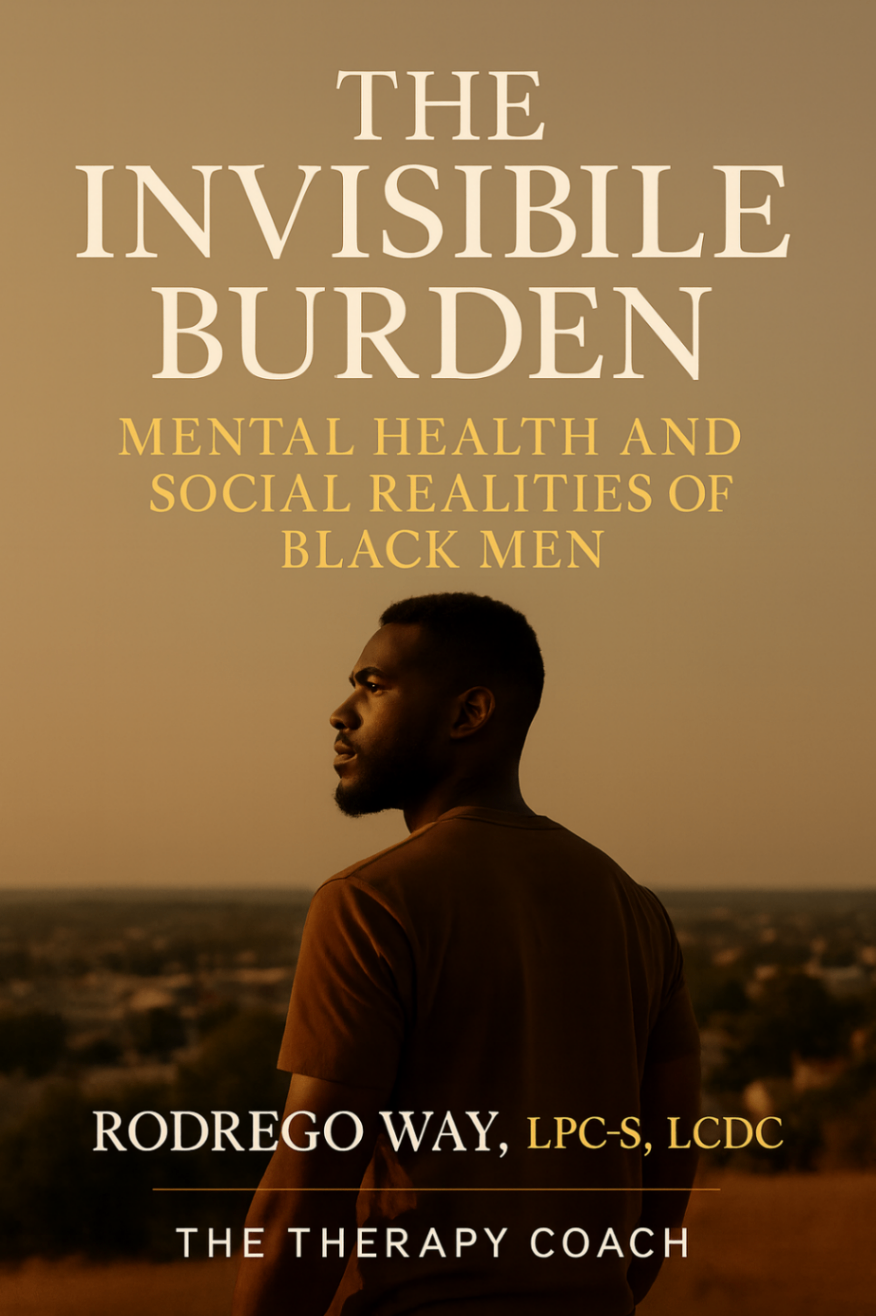
Culturally Responsive Framing: You Are Not the Problem
In therapy, we often talk about "reframing." When it comes to RBTS, the most important reframe is recognizing that the stress you feel is a legitimate response to systemic pressure. At The Mind and Therapy Clinic, we utilize culturally responsive care to ensure that your background, heritage, and lived experiences are the foundation of your treatment, not an afterthought.
We understand "The Invisible Burden" because we live it and study it every day. Whether you are dealing with workplace microaggressions or the stress of raising children in a complex social climate, your feelings are valid.
Takeaway: Protecting the Future
Protecting your family’s mental health is an act of empowerment. It requires:
- Awareness: Knowing the signs of RBTS.
- Action: Using coping tools and seeking help when needed.
- Advocacy: Creating safe spaces within your home and community.
Healing is possible, and you don't have to do it alone.
Quick Takeaway Section
- RBTS Defined: Emotional injury caused by racism and discrimination.
- Signs: Look for hypervigilance in adults and somatic complaints (stomach aches) in kids.
- Key Tool: Use validation and grounding techniques to stay centered.
- Clinic Focus: We provide culturally responsive care that understands your unique lived experience.
Important Disclaimers & Resources
- Education Only: This blog post is for educational purposes and is not a substitute for professional mental health therapy or medical advice.
- Crisis Resources: If you or a loved one are in immediate danger or experiencing a mental health crisis, please call or text 988 (Suicide & Crisis Lifeline) or go to the nearest emergency room.
- Clinic Details: The Mind and Therapy Clinic is located in Texas. Our hours are Monday–Friday, 9:00 AM – 6:00 PM. Rodrego Way is a Licensed Professional Counselor Supervisor (LPC-S) and Licensed Chemical Dependency Counselor (LCDC).
Ready to Start Your Healing Journey?
If you’re feeling the weight of RBTS and want to explore how therapy can help you or your family, let's talk. We offer a supportive, empowering environment tailored to your needs.
Book your FREE 15-minute consultation today:
www.mindandtherapyclinic.com/contact
Posted in: Mental Health
Tags: RBTS, Family Wellness, Rodrego Way LPC-S, Culturally Responsive Therapy, Trauma Recovery
Business Credentials:
The Mind and Therapy Clinic
Rodrego Way, LPC-S, LCDC (Owner/Therapist)
Website: https://mindandtherapyclinic.com
Category: Mental Health & Therapy Services