
There's a silent struggle happening in BIPOC homes across the country. Fathers show up physically: they work hard, provide for their families, and make sacrifices: but something crucial remains unspoken. The words "I love you" rarely get said. Emotions stay locked away. And sons grow up wondering if their fathers truly see them beyond expectations of strength and stoicism.
This emotional gap isn't about individual failings. It's about inherited scripts of masculinity that have been passed down through generations, shaped by systemic pressures, survival tactics, and cultural norms that prioritized toughness over tenderness.
The Language of Encouragement vs. The Language of Emotion

Research shows that many African American fathers use language consistent with traditional male ideologies rather than direct emotional expression when interacting with their sons. Instead of saying "I'm proud of you" or "I see you struggling and I'm here," fathers often default to encouragement that reinforces performance: "Be strong," "Man up," "Handle your business."
This isn't malicious. It's learned behavior.
Many Black fathers today were raised by men who understood masculinity to mean silence, toughness, and never showing emotion. This mindset developed as a survival mechanism: a response to systemic racism, institutional trauma, and environments where vulnerability could be weaponized against Black men and boys.
But what worked for survival doesn't always work for emotional connection.
When Physical Presence Isn't Enough
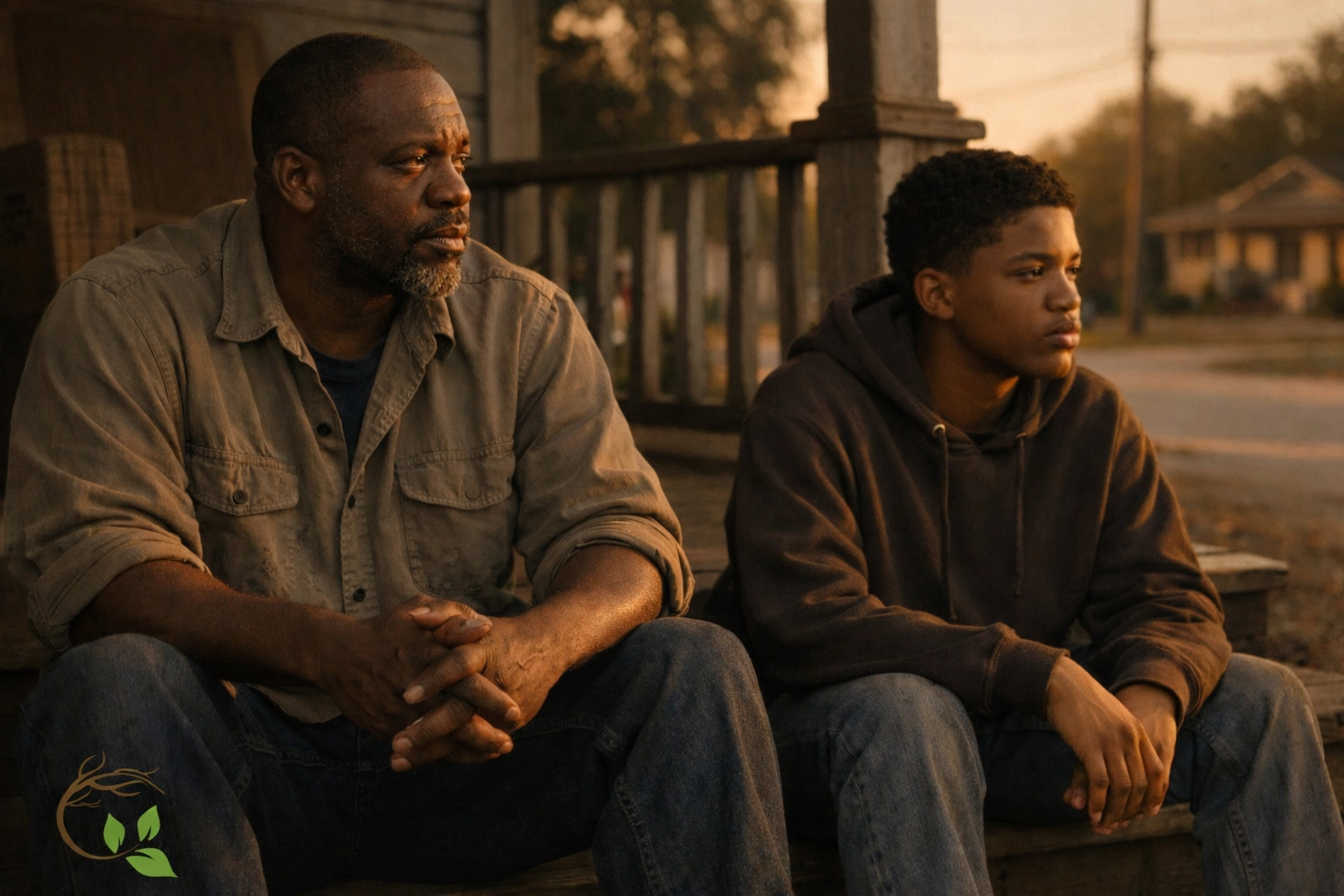
A father can be in the home every single day and still be emotionally absent. He might provide financially, ensure homework gets done, and maintain household discipline: but if he never verbalizes love, never shares his own struggles, and never creates space for his son's emotions, an invisible wall forms.
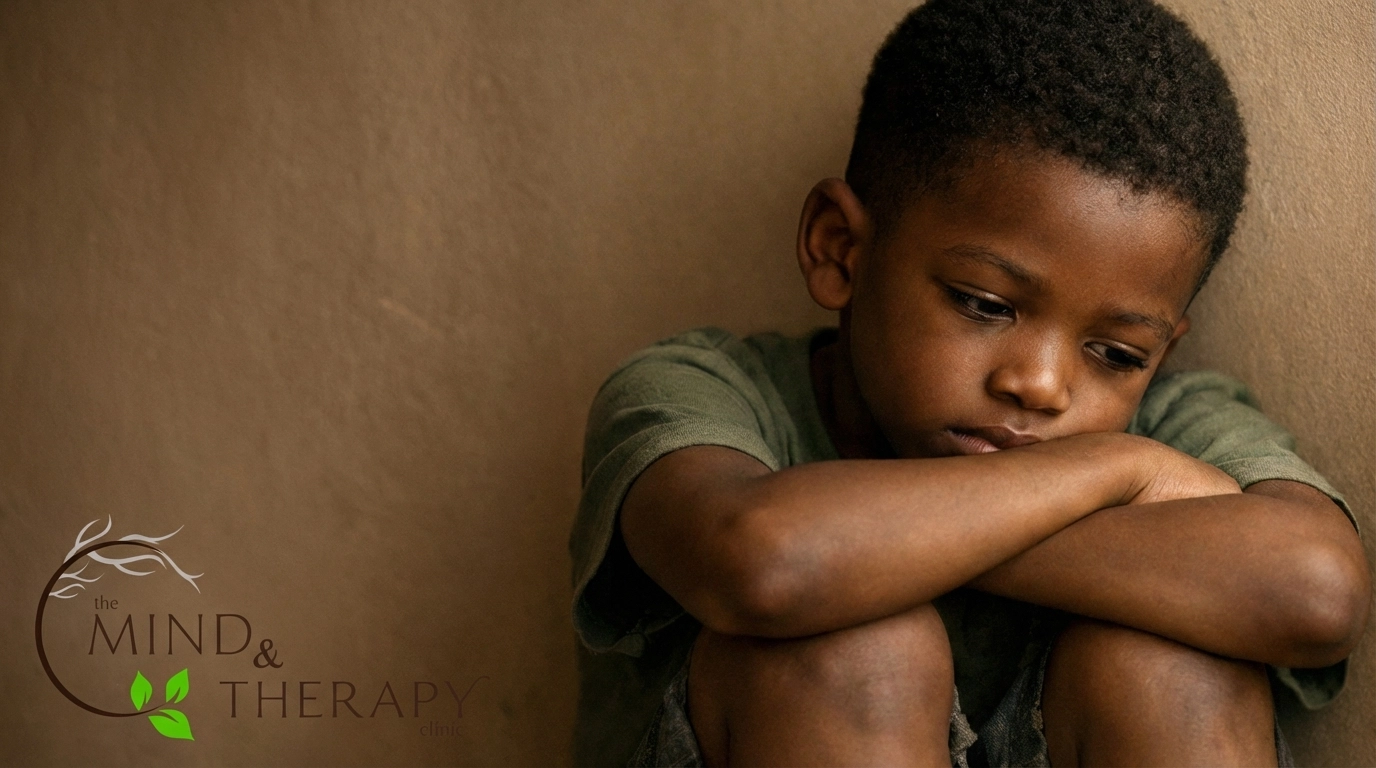
This emotional estrangement leaves deep marks. Sons internalize the silence as a message: "Your feelings don't matter," "Real men don't talk about emotions," or worse, "Something is wrong with me for feeling this way."
Research on Black males without emotionally available fathers documents the consequences: fewer expressions of warmth, restricted emotional connectedness, increased depression, and higher rates of conduct disorders. The absence isn't just about what fathers don't say: it's about what sons never learn to express themselves.
The Cost of Inherited Masculinity
The scripts we inherit about what it means to "be a man" carry a price tag. For BIPOC fathers and sons specifically, hyper-masculinity shows up in predictable patterns:
Suppressed Anger: Boys learn early that sadness, fear, and hurt must be converted into anger: the only "acceptable" male emotion. But unexpressed pain doesn't disappear; it ferments.
Performance Pressure: Sons feel constant pressure to prove their manhood through achievement, toughness, or stoicism. Love becomes conditional on meeting expectations rather than existing freely.
Relational Struggles: When young men never learn emotional vocabulary from their fathers, they struggle to build intimate relationships later in life. The cycle continues.
Mental Health Stigma: Generational silence around emotions reinforces the dangerous belief that therapy, counseling, or asking for help represents weakness.
These patterns don't just affect individual relationships: they ripple through entire family structures and communities.
Breaking the Cycle: A New Generation of Fathers
Here's the empowering truth: many BIPOC fathers today are actively choosing a different path. They're breaking generational patterns by embracing presence and emotional vulnerability with their sons.
This shift looks like:
- Fathers who teach sons to verbalize feelings rather than suppress them
- Dads who say "I love you" regularly and without condition
- Men who share their own struggles and demonstrate that vulnerability requires courage
- Fathers who prioritize emotional connection over rigid masculine scripts
Studies confirm what many families already know intuitively: when fathers actively assist their sons with emotion regulation and expression, mental health outcomes improve dramatically. Higher emotional support from fathers correlates with less depression among African American adolescents.
The transformation happens when we recognize that strength includes softness, and masculinity doesn't require emotional silence.
Practical Steps Toward Emotional Connection
If you're a BIPOC father reading this and recognizing yourself in these patterns: or if you're a son trying to understand your father: change is possible. Here are concrete steps to begin closing the emotional gap:
Create Regular Check-In Times: Establish a weekly or daily ritual specifically for emotional conversations. It might feel awkward initially, but consistency builds comfort.
Model Emotional Expression: Share your own feelings using "I" statements. "I felt frustrated when…" or "I'm excited about…" gives sons permission to do the same.
Validate Rather Than Fix: When your son expresses difficult emotions, resist the urge to immediately problem-solve. Sometimes "That sounds really hard" matters more than advice.
Challenge Gendered Messages: Notice when you're about to say "boys don't cry" or "man up." Replace those phrases with validation: "It's okay to feel upset" or "Let's talk about what's happening."
Seek Support When Needed: Working with a Licensed Professional Counselor Supervisor who understands cultural contexts can provide tools and frameworks for building emotional connection.

The Role of Systemic Pressures
We can't address this emotional gap honestly without acknowledging the external forces that shaped it. Hyper-masculinity in BIPOC communities didn't develop in a vacuum.
Historical trauma, ongoing systemic racism, economic pressures, and survival mechanisms all influenced what got prioritized in father-son relationships. When Black fathers faced daily threats to their safety, dignity, and humanity, teaching sons to be tough and emotionally guarded made protective sense.
But we can honor that history while also recognizing that our sons deserve: and need: something different now. They need emotional literacy. They need to know their feelings matter. They need fathers who can hold both strength and vulnerability simultaneously.
Moving Forward as Families
The emotional gap between BIPOC fathers and sons represents one of the most significant challenges facing families today. But it's also one of the most addressable.
Change doesn't require perfection. It requires willingness.
Fathers willing to examine inherited beliefs about masculinity. Sons willing to extend grace as their fathers learn new emotional languages. Families willing to prioritize connection over performance.
At The Mind and Therapy Clinic, we specialize in helping BIPOC families navigate these exact challenges. Whether you're a father looking to build stronger emotional bonds with your son, or a young man trying to understand generational patterns that shaped your family, culturally-responsive therapy can provide the framework and support you need.
Your Next Step
The conversation about masculinity, emotion, and family connection in BIPOC communities is ongoing: and you're part of it. Whether you're just beginning to recognize these patterns or actively working to break cycles, know that change is possible.
Ready to start bridging the emotional gap in your family? Contact The Mind and Therapy Clinic to schedule a consultation. Our Licensed Professional Counselor Supervisor, Rodrego Way, LPC-S, LCDC, specializes in working with BIPOC families navigating exactly these challenges.
Leave a comment below sharing your experiences or questions about father-son relationships and emotional connection. Your story matters and might help another family recognize they're not alone in this journey.
Posted in: Family Therapy, BIPOC Mental Health, Men's Mental Health
Tags: Father-Son Relationships, Hyper-Masculinity, Emotional Health, Black Families, Generational Healing
The Mind and Therapy Clinic
Rodrego Way, LPC-S, LCDC
Visit our website | Learn more about our family therapy services