
Let's talk about something that doesn't get said enough in BIPOC homes: the stress we carry isn't just our own. It's generational. It's systemic. And whether we realize it or not, we're passing it down to our kids every single day.
I'm not here to guilt you. I'm here to help you see what's really happening, and more importantly, how to break the cycle.
The Weight We Carry Without Asking

For Black, Indigenous, and other people of color, stress isn't just about work deadlines or traffic. It's about navigating a world that wasn't built for us. It's code-switching at work, being followed in stores, watching the news and feeling your chest tighten, explaining racism to your kids before they even lose their first tooth.
This is survival mode, and it's exhausting.
Research shows that parental stress significantly impairs our ability to be emotionally present with our children. When we're in survival mode, our brains literally shift into fight-or-flight response. We become less capable of tuning into our kids' thoughts and feelings. Instead, we respond with either harsh, controlling behavior or emotional withdrawal.
Sound familiar?
The Projection Trap: When Your Pain Becomes Their Reality
Here's where it gets real: that stress you're carrying? Your kids are absorbing it. Scientists call it "social contagion", stressed emotions naturally spread to those around us, especially in close family relationships.
But it goes deeper than that.
When you're constantly in survival mode, your parenting shifts. You might:
- Overreact to small mistakes because you're afraid your child won't be "ready" for a harsh world
- Push achievement harder than connection because you know the world demands more from them
- Shut down emotionally because you're too drained to process their feelings AND yours
- Parent from a place of fear instead of trust
- Enforce rigid rules because control feels like safety
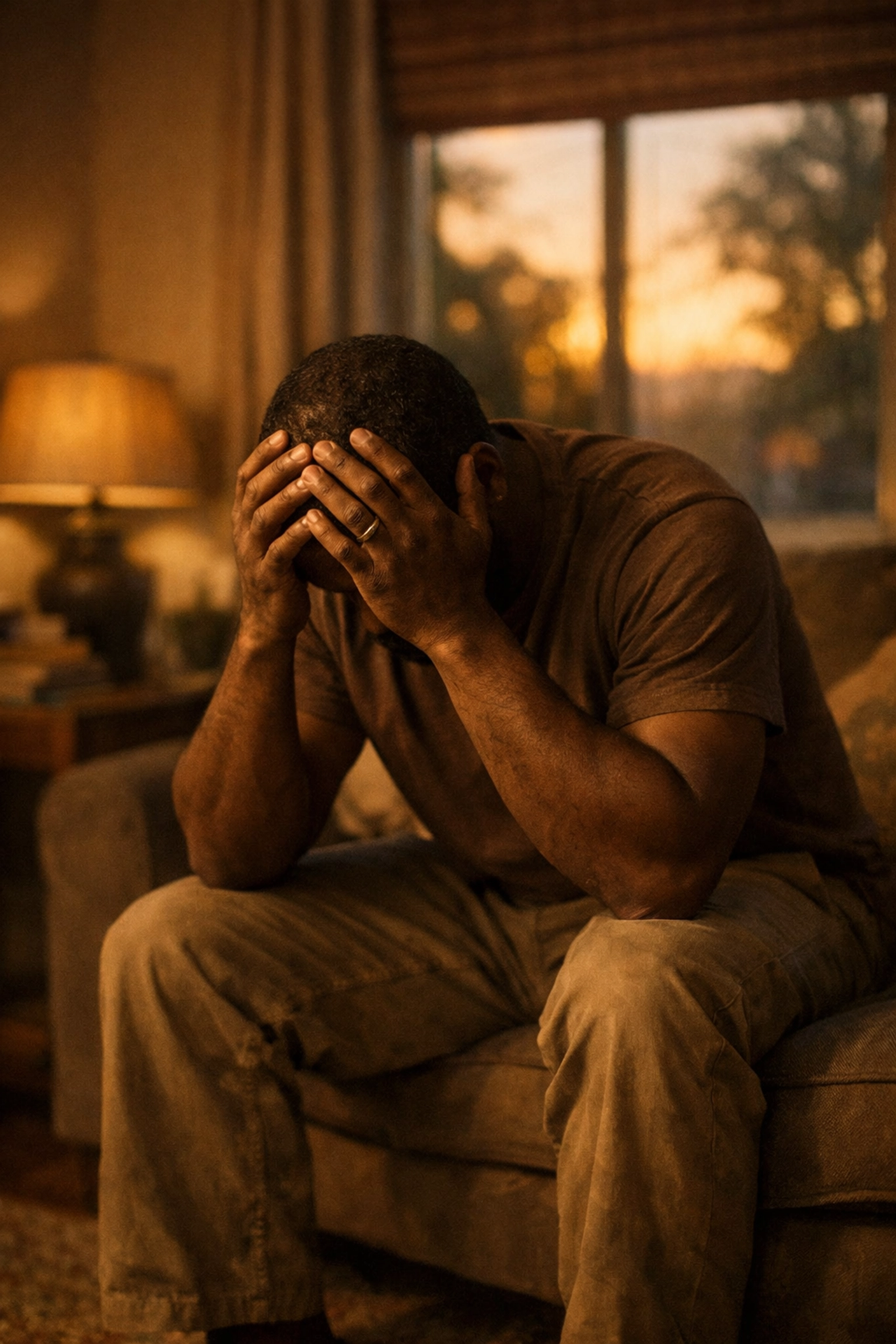
None of this makes you a bad parent. It makes you human. It makes you someone who's been fighting your whole life.
But here's the hard truth: when we parent from survival mode, we create the same stress responses in our children that we're trying to protect them from.
The Bidirectional Cycle: Why It Gets Harder Over Time
Research tracking children from ages 3 to 9 found something crucial: parenting stress and child behavior problems feed each other in a continuous loop. Your stress triggers behaviors in your child (acting out, shutting down, anxiety). Those behaviors then increase your stress, which worsens your responses, which increases their behavioral issues.
It's a cycle, and it's not anyone's fault.
But in BIPOC families, this cycle has additional layers:
The "I Had It Worse" Trap: You dismiss their struggles because you survived worse, not realizing they're stressed FOR DIFFERENT REASONS in a different era.
The Respectability Burden: You demand perfect behavior because you believe it will protect them from racism, creating pressure that becomes its own trauma.
The Emotional Shutdown: You were taught that expressing feelings is weakness, so you shut down their emotions, and your own, creating distance instead of connection.
The Overprotection Response: You limit their world to keep them safe, but they feel controlled and misunderstood.
What This Looks Like in Real Homes
Let me paint you a picture:
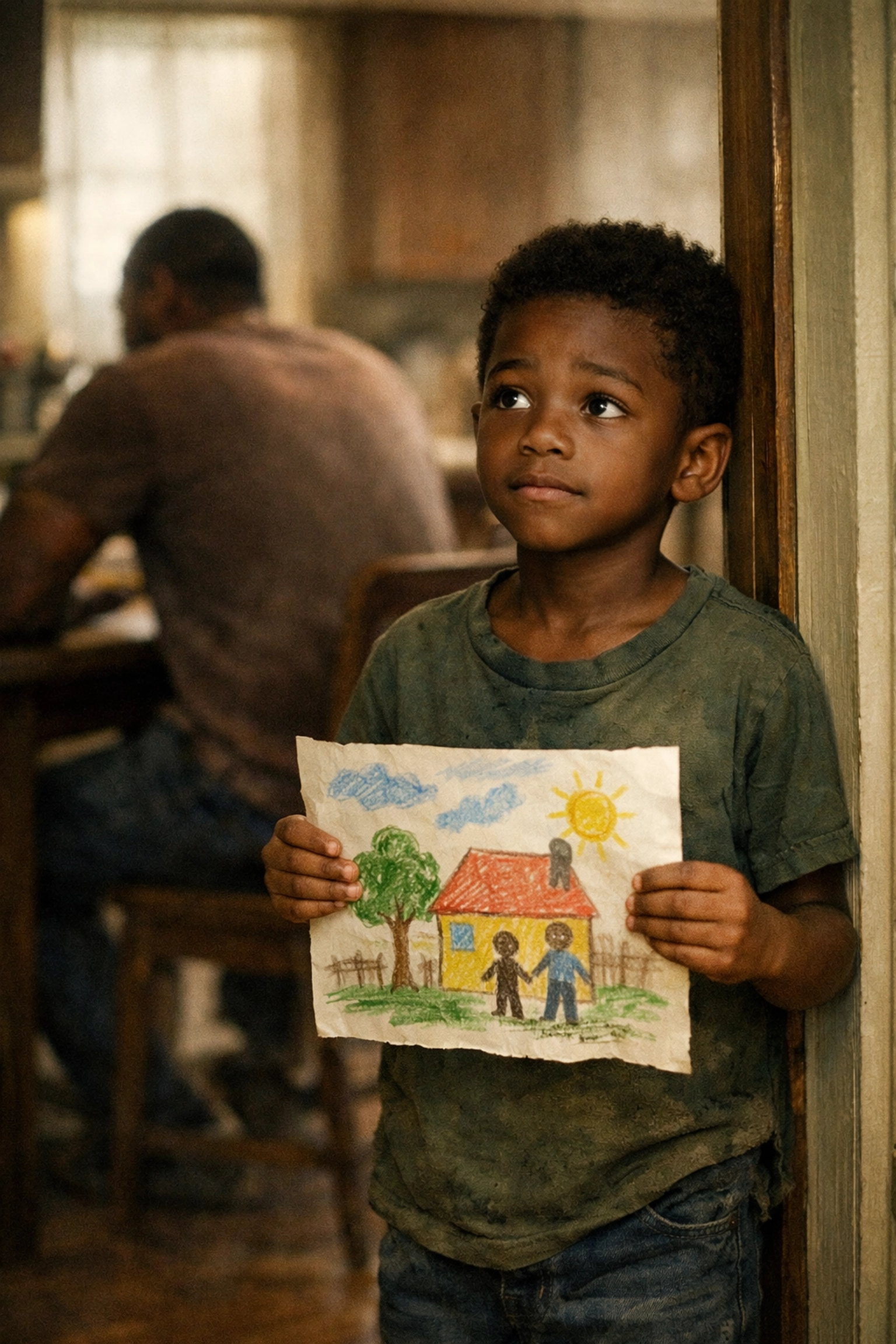
A Black father comes home after another day of being the "only one" at work, microaggressed into exhaustion. His son wants to show him a drawing, but Dad snaps, "Not now, I'm tired." The son withdraws. Over time, he stops trying. Dad wonders why his son never talks to him.
A Latina mother watches the news, sees another story about immigration raids. Her daughter asks for help with homework, but Mom's mind is spinning with worst-case scenarios. She yells about the unmade bed instead. The daughter learns that Mom's love comes with conditions and criticism.
An Indigenous parent carries the weight of historical trauma, boarding schools, stolen land, broken treaties. They parent with either rigid control or complete disengagement, both rooted in unprocessed grief. Their children feel either suffocated or abandoned.
These aren't isolated incidents. They're patterns. And they're rooted in stress that started long before you became a parent.
The Real Cost: What Happens to Our Kids
Children whose parents are chronically stressed show higher rates of:
- Executive function difficulties (trouble with focus, organization, decision-making)
- Anxiety disorders
- Depression
- ADHD symptoms
- Oppositional behavior
- Disruptive behaviors
And here's the kicker: these problems don't stay in childhood. They predict long-term negative effects into adulthood, affecting relationships, careers, and their own parenting one day.
We're literally passing down survival mode through generations.
Breaking the Cycle: It Starts With You
I know what you're thinking: "Great, another thing I'm doing wrong."
No. This is about empowerment, not blame.
Breaking the cycle starts with recognizing what's happening. You can't change patterns you don't see. Once you understand that your stress is affecting your kids, you can start making different choices.
First: Name Your Stress
Stop pretending you're fine. Stop pushing through. Start saying out loud: "I'm stressed because I'm carrying things that aren't mine to carry alone."
Second: Separate Their Behavior From Your Fear
When your child acts out, ask yourself: "Am I responding to what they actually did, or to my fear of what the world might do to them?"
Your 8-year-old forgetting their homework isn't a sign they'll end up struggling in life. It's a sign they're 8.
Third: Create Space to Feel
You don't have to process everything alone. Find a therapist who understands cultural trauma (yes, we specialize in this). Join community support groups. Talk to friends who get it.
Your feelings aren't weakness: they're information.
Fourth: Practice Repair
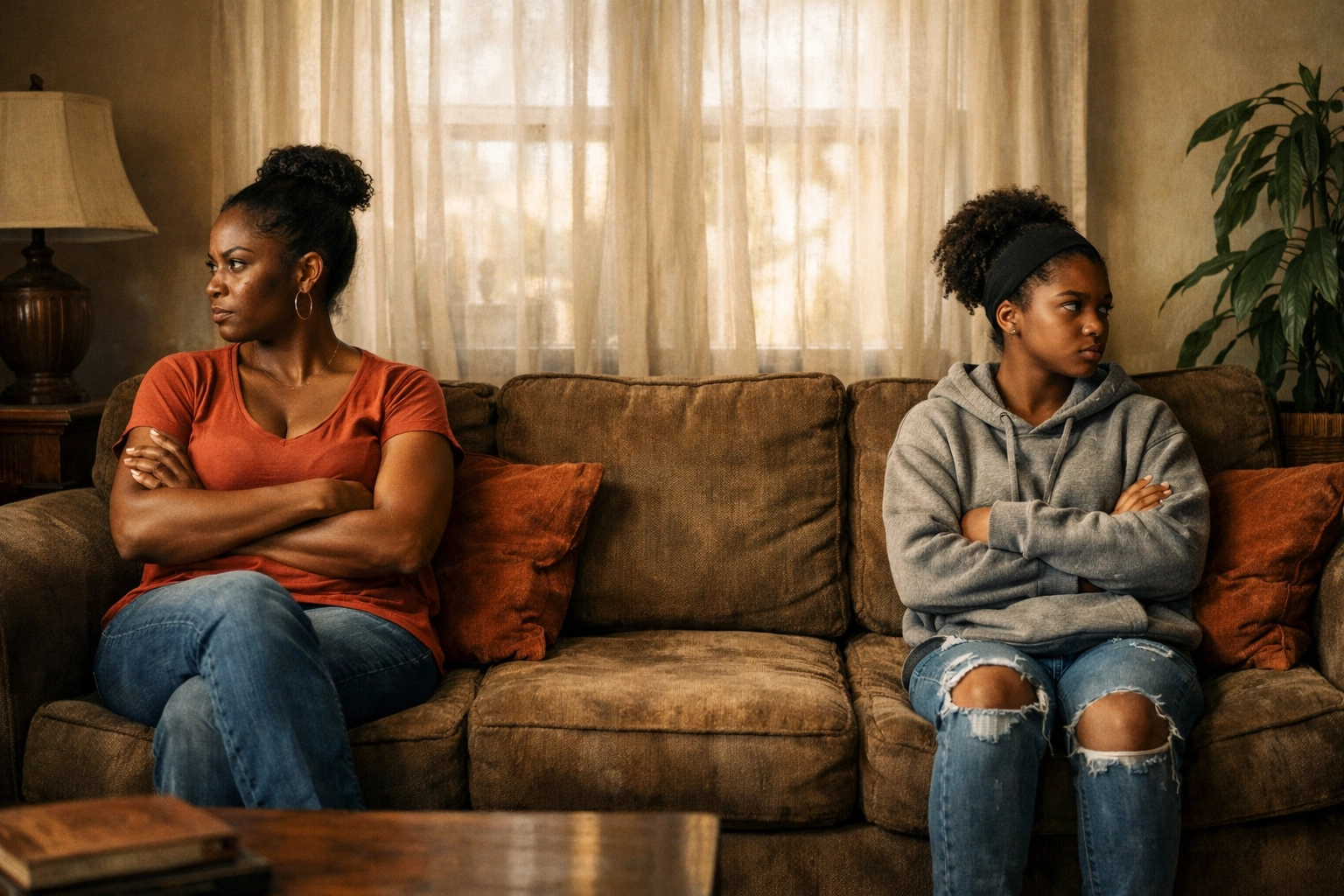
You will mess up. You'll snap when you didn't mean to. You'll be unavailable when they needed you. That's human.
What matters is coming back: "I'm sorry I yelled. I was stressed about something that had nothing to do with you. You didn't deserve that."
Repair builds resilience. Pretending it didn't happen builds resentment.
Reimagining Strength in BIPOC Families
For too long, we've been told that strength means suffering in silence. That resilience means never showing weakness. That protecting our kids means preparing them for a brutal world through brutal parenting.
But real strength looks different.
Real strength is saying, "I'm hurting, and I need help."
Real resilience is breaking patterns instead of repeating them.
Real protection is creating a home where your kids feel safe enough to be vulnerable: because THAT'S what will prepare them for a harsh world. Not your harshness. Your love.
The Path Forward
Healing from systemic stress isn't about thinking positive thoughts or doing more self-care bubble baths (though those don't hurt). It's about:
- Recognizing the weight you carry
- Understanding how it affects your parenting
- Getting support to process it
- Making conscious choices to parent differently
- Repairing when you fall back into old patterns
- Building community with others doing the same work
This work is hard. It's uncomfortable. It requires facing things you've been avoiding.
But here's what I know after years as a Licensed Professional Counselor Supervisor working with BIPOC families: it's possible. I see families break these cycles every day. I see parents learn to respond instead of react. I see kids relax when their parents stop projecting their survival mode onto them.
Your children don't need you to be perfect. They need you to be present. They need you to stop fighting battles that ended before they were born. They need you to see them for who they are, not who you fear they might become in a racist world.
You're Not Alone in This
If you're reading this and feeling overwhelmed, that's actually a good sign. It means you're aware. It means you care. It means you want better for your family.
That's where change begins.
At The Mind and Therapy Clinic, we specialize in helping BIPOC families navigate these exact issues. We understand historical trauma, community trauma, and the unique pressures facing families of color.
You don't have to figure this out alone.
Leave a Comment: What part of this post resonated most with you? How do you see survival mode showing up in your parenting?
Subscribe to Our Newsletter: Get weekly insights on breaking cycles and building healthier family patterns.
Posted in: Trauma, Counseling
Tags: Community Trauma, Historical Trauma
Contact Information:
Rodrego Way, LPC-S, LCDC
Licensed Professional Counselor Supervisor
The Mind and Therapy Clinic
Schedule Your Consultation