
Let me be real with you for a minute. Growing up, how many of us watched our fathers, uncles, and grandfathers carry the weight of the world on their shoulders without saying a word? How many of us learned that being a man, especially a Black man, meant swallowing your pain, keeping your head down, and never letting anyone see you sweat?
I see it every day in my office at The Mind and Therapy Clinic. Strong men. Capable men. Men who've built careers, raised families, and navigated a world that wasn't designed for their success. And yet, they're struggling in silence, especially when it comes to their relationships.
Here's what I want you to understand: Communication isn't weakness. It's warfare. And I mean that in the most powerful way possible.
The Weight We've Been Taught to Carry
For generations, Black men have been conditioned to believe that emotional expression equals vulnerability, and vulnerability equals danger. This isn't paranoia, it's survival instinct passed down through DNA. Our ancestors learned that showing emotion could literally get you killed. That displaying pain made you a target. That asking for help was a luxury we couldn't afford.
But here's the truth that keeps me up at night: What once kept us alive is now killing us from the inside out.
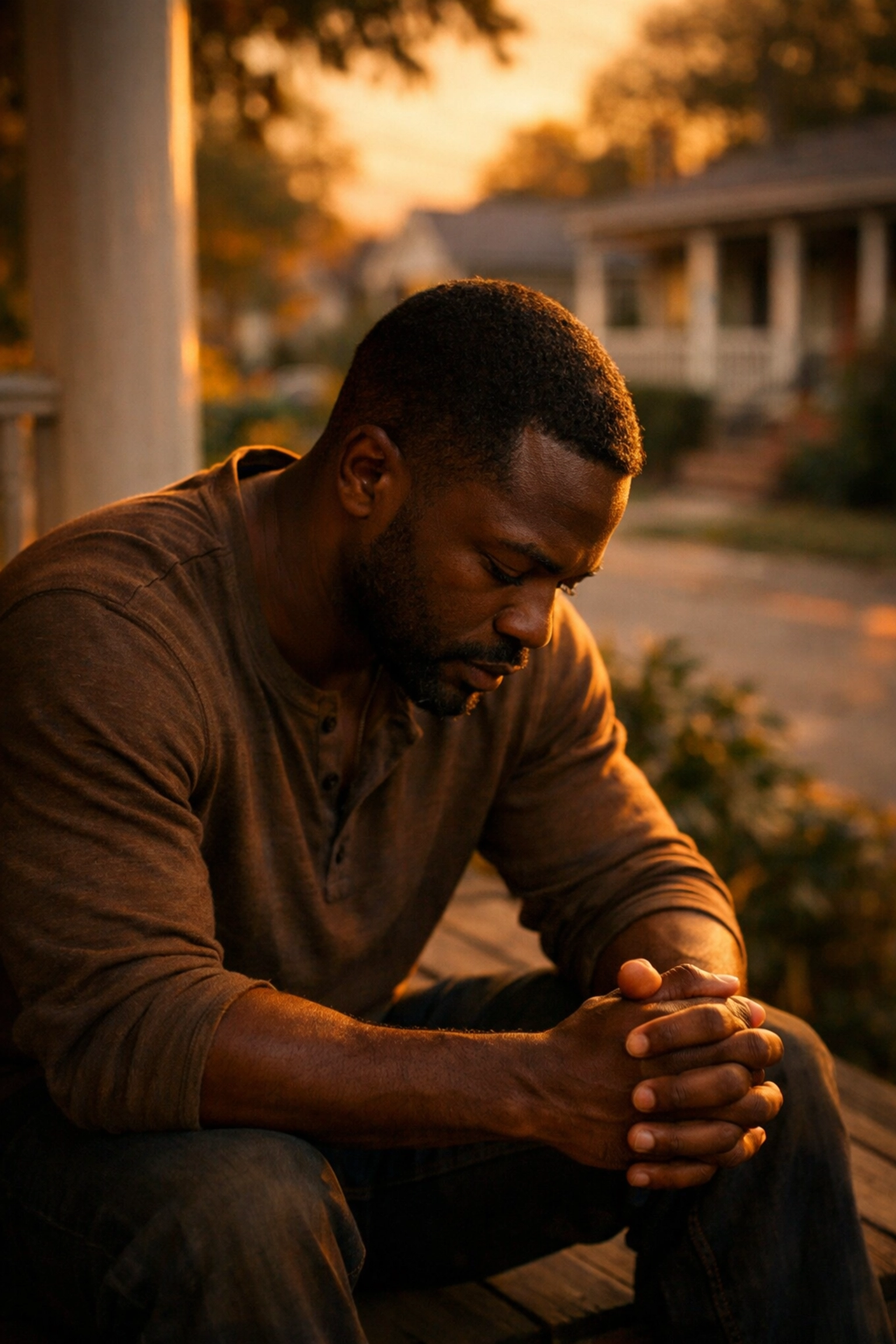
The "strong Black man" narrative didn't come from us. It was imposed on us by a system that needed us to be superhuman just to be considered human. We internalized it. We taught it to our sons. And now, it's showing up in our marriages, our partnerships, and our mental health in devastating ways.
When you refuse to communicate with your partner about what's really going on inside, you're not protecting yourself. You're perpetuating a cycle that was designed to break you.
Why Silence Isn't Golden, It's Dangerous
Think about the last time you had a real, vulnerable conversation with your partner. Not about bills or schedules or what's for dinner. I'm talking about the scary stuff, your fears, your insecurities, that thing that happened at work that made you feel small, or the anxiety that keeps you up at 3 AM.
Can't remember? You're not alone.
Research shows that many Black men experience what we call "affection deprivation" in their relationships and friendships. We crave connection, but we've been taught that asking for it makes us weak. So we bury it. We numb it with work, with sports, with substances, with anger, anything but actually talking about it.
Here's what that looks like in real life:
- Your partner asks "What's wrong?" and you say "Nothing" when everything is wrong
- You withdraw instead of explaining why you're hurt
- You argue about small things because you can't articulate the big things
- You feel lonely even when you're not alone
- You wonder why your relationship feels more like roommates than romance
Sound familiar?
Communication as Revolutionary Act
When I tell my clients that communication is resistance, I mean it literally. Every time you choose to be vulnerable with your partner, you're actively fighting against:
The toxic masculinity that told you real men don't have feelings. They do. They absolutely do. The difference is whether you acknowledge them or let them control you from the shadows.
The historical trauma that demanded silence for survival. We're not on the plantation anymore. We're not in Jim Crow's America. The rules that kept our grandfathers alive can't be the same rules we use to build healthy relationships in 2026.
The systemic pressures that want to see Black families fail. When you show up authentically in your relationship, when you communicate your needs and listen to your partner's needs, you're building something powerful. You're creating a foundation that can't be shaken by external forces.

Breaking the Cycle: What Resistance Actually Looks Like
Here's the practical part. Communication as resistance isn't abstract, it's actionable. Here's how to start:
1. Name Your Emotions (Yes, Really)
Most men I work with can't get past "I feel good" or "I feel bad." That's not enough. Get specific. Are you anxious? Disappointed? Overwhelmed? Disrespected? Scared?
Try this exercise: Set a timer for two minutes. Write down every emotion you've felt today. Don't edit. Don't judge. Just write. You might be surprised at what comes up.
2. Schedule Regular Check-Ins
I know this sounds clinical, but it works. Set aside 15 minutes every week: same day, same time: to talk with your partner about how you're really doing. Not logistics. Not planning. Just feelings and connection.
Make it sacred. Turn off your phones. Look at each other. Be honest.
3. Learn the Language of Needs
When you're upset, you probably focus on what your partner did wrong. Flip the script. Instead of "You never listen to me," try "I need to feel heard when I'm talking about my day."
See the difference? One attacks. One communicates. One builds walls. One builds bridges.
4. Get Comfortable with Discomfort
Vulnerability feels terrible at first. Your chest might tighten. You might feel exposed. That's normal. That's your body's way of saying "This is new."
Push through it. The discomfort is temporary. The disconnection from staying silent is permanent.
The Ripple Effect: Healing Beyond Your Relationship
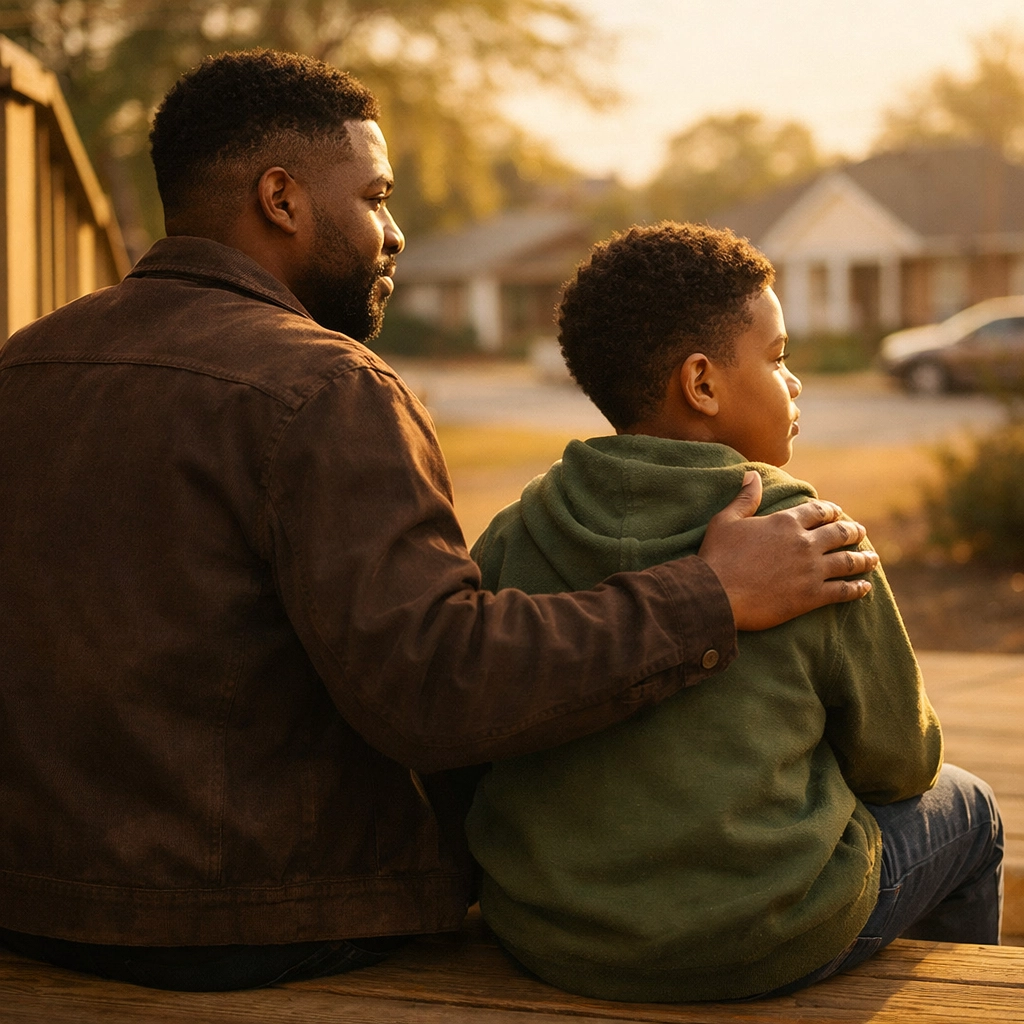
When Black men start communicating authentically, something remarkable happens. It doesn't just improve your romantic relationship: it transforms everything around you.
Your kids see a model of masculinity that includes emotional intelligence. Your boys learn that real strength includes vulnerability. Your girls learn what to expect from future partners.
Your community benefits from men who can resolve conflict without violence, who can express hurt without anger, who can ask for help without shame.
You break generational patterns of trauma and create new legacies of healing.
When to Bring in Reinforcements
Sometimes, learning to communicate requires professional support. And that's not defeat: it's wisdom.
At The Mind and Therapy Clinic, we specialize in helping Black men and BIPOC individuals navigate these exact challenges. We understand the unique pressures you face. We get the cultural context. We know that "just talk about it" isn't always simple when you've spent a lifetime learning not to.
Individual therapy can help you:
- Identify and process emotions you've been suppressing
- Develop practical communication tools
- Work through trauma that's blocking your vulnerability
- Build confidence in expressing your needs
Couples therapy provides:
- A safe space to practice new communication patterns
- Mediation for difficult conversations
- Tools for active listening and conflict resolution
- Strategies for rebuilding trust and intimacy
There's no shame in getting support. In fact, seeking therapy is one of the most radical acts of resistance you can take against a system that wants you to suffer in silence.
Your Next Move
Here's what I want you to do today: not tomorrow, not next week, but today:
Tell your partner one true thing. Something you've been holding back. Something that feels risky. It doesn't have to be earth-shattering. It just has to be real.
Maybe it's: "I've been feeling overwhelmed at work and I don't know how to handle it."
Or: "I need more physical affection from you: it makes me feel loved."
Or even: "I'm scared I'm not being the partner you deserve."
Watch what happens when you break the silence. Watch how vulnerability creates space for connection. Watch how honesty invites honesty.
Communication is resistance. Every conversation is a battle won against the forces that want to keep you isolated, disconnected, and suffering alone.
You deserve better. Your relationship deserves better. Your family deserves better.
Let's Keep the Conversation Going
If this resonated with you, I'd love to hear about it. Leave a comment below sharing your experience with communication in relationships. What's one thing you've been holding back from your partner? What's stopping you from speaking your truth?
And if you're ready to take the next step toward healing and authentic connection, reach out to us. We're here to support you.
Subscribe to our newsletter for more insights on relationships, mental health, and building the life you deserve.
Posted in: Men's Mental Health, Relationships, BIPOC Mental Health
Tags: Communication, Black Men, Relationships, Mental Health, Therapy, Vulnerability
The Mind and Therapy Clinic
Rodrego Way, LPC-S, LCDC
Licensed Professional Counselor Supervisor
Licensed Chemical Dependency Counselor
We provide trauma-informed, culturally responsive therapy for individuals, couples, and families. Our practice specializes in serving the Black community and other BIPOC communities with dignity, understanding, and expertise.
Contact us today to schedule your first session.