
Let me ask you something: Have you ever noticed how certain family members get labeled "the pretty one" or "the one with good hair"? How compliments about a baby's light skin get tossed around like party favors, while darker-skinned children hear crickets: or worse, "jokes" about staying out of the sun?
This isn't just awkward family dynamics. It's colorism, and it's tearing families apart from the inside out.
At The Mind and Therapy Clinic, I've sat across from countless families where colorism created invisible fault lines that eventually cracked wide open. The thing is, most families don't even realize they're doing it. But the damage? That's very real, and it shows up in ways that ripple through generations.
The Silent Hierarchy Nobody Talks About
Colorism operates like an uninvited guest at every family gathering: always present, rarely acknowledged. Research consistently shows that lighter-skinned children, particularly daughters, receive higher quality parenting and preferential treatment compared to their darker-skinned siblings. We're not talking about conscious decisions here. Most parents would be horrified to think they're treating their children differently based on skin tone.
But here's what actually happens: One child gets praised for their complexion while another hears comments about "staying pretty" or avoiding the sun. One sibling's features are celebrated while another is told they "got all the family traits." These messages, however subtle, create a hierarchy that children internalize before they can even articulate what's happening.
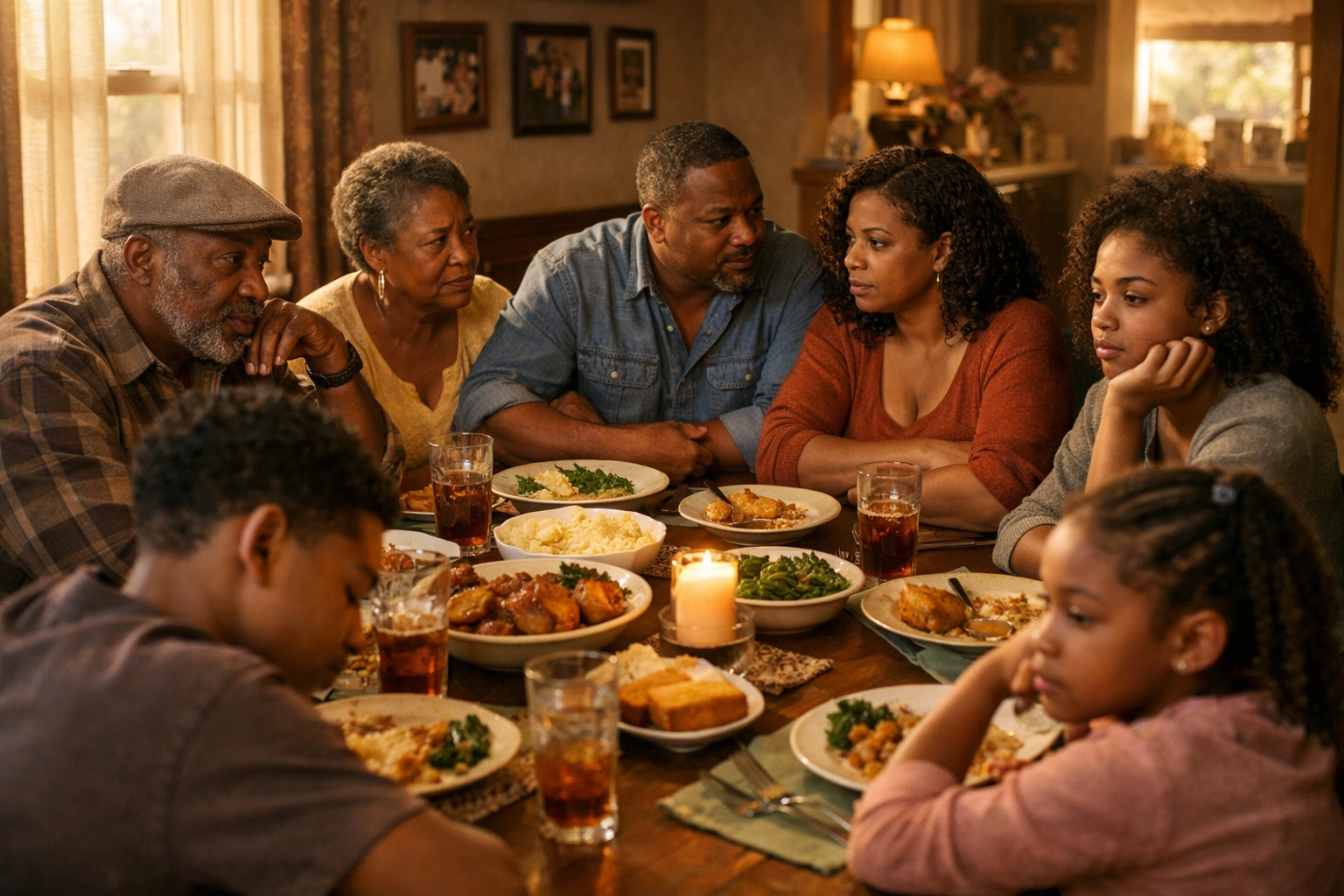
The psychological impact is profound. Darker-skinned children may literally try to scrub away their skin color or avoid activities that might darken their complexion further. Meanwhile, lighter-skinned children often face a different struggle: feeling excluded from their cultural community, questioned about their authenticity, or overcompensating to prove they "belong."
Both experiences create trauma. Both fracture family bonds.
How Colorism Actually Shows Up at Home
Let's get specific about what this looks like in everyday family life, because colorism rarely announces itself with a megaphone. It whispers through:
Differential attention and affection. Parents spending more quality time with lighter-skinned children, showing more physical affection, or being more emotionally available. These patterns often mirror the parents' own childhood experiences of being valued or devalued based on skin tone.
Comment culture. Relatives making seemingly innocent observations like "She got the good hair" or "He's lucky he got my complexion." Children absorb these messages like sponges, learning early which physical traits earn approval and which don't.
Dating and relationship expectations. Families pressuring members to "marry light" or "improve the family line," openly preferring partners with lighter skin tones. This creates impossible standards and perpetuates the very biases that damaged previous generations.
Beauty and grooming practices. Steering children toward skin-lightening products, certain makeup shades, or hairstyles that conform to Eurocentric standards. What parents frame as "helpful advice" often translates as "your natural appearance isn't good enough."
Protection paradox. Here's where it gets really complicated: many parents engage in colorist behaviors while genuinely trying to protect their children from external racism. They're attempting to shield their darker-skinned children from a world that will judge them, but in doing so, they reinforce the very message that darker skin is problematic.
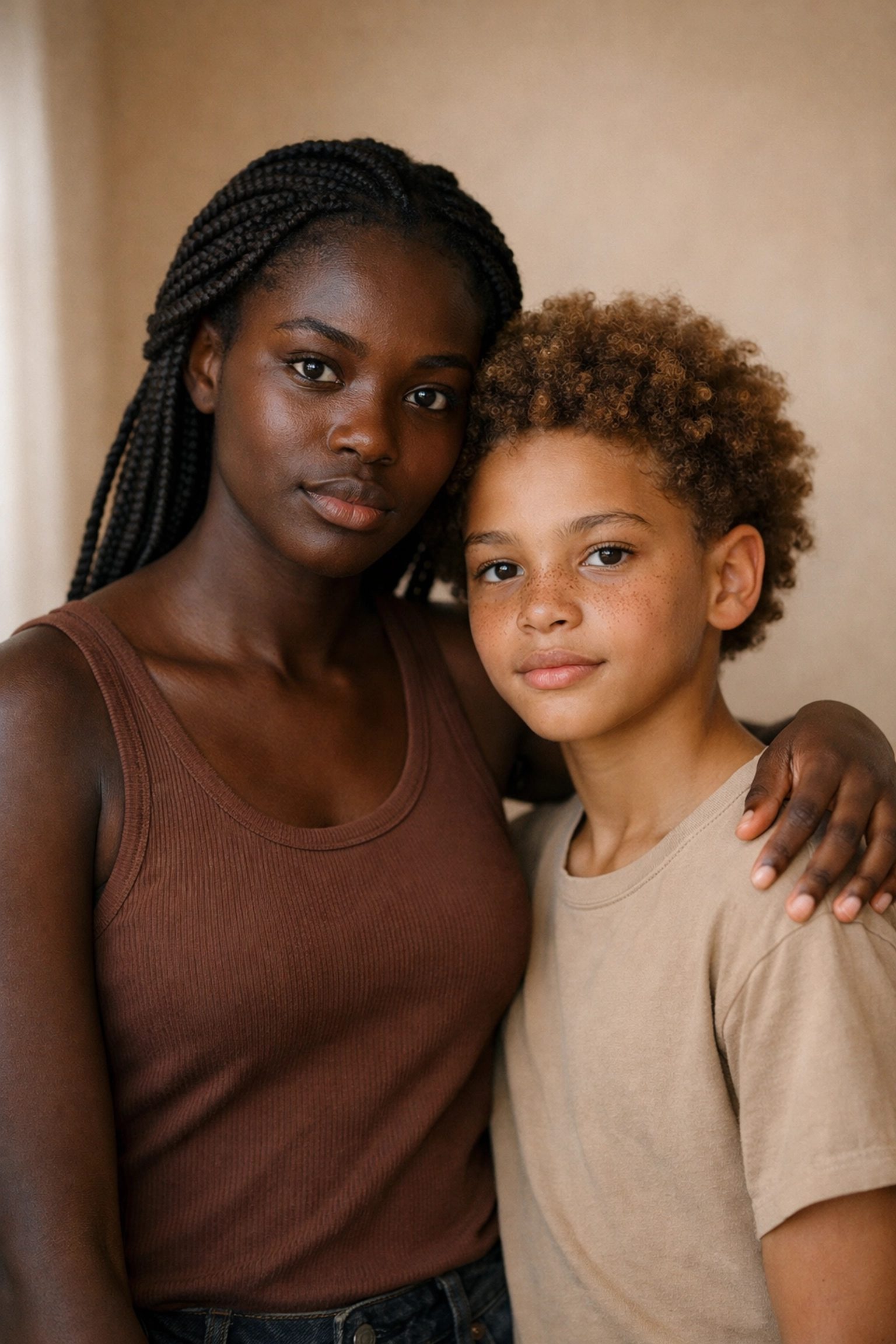
The Intergenerational Trap
Colorism doesn't start with you, and that's both the problem and part of the solution. Most parents who perpetuate colorism experienced it themselves as children. They heard the comments. They felt the differential treatment. They internalized the message that lighter equals better.
Now they're unconsciously passing those same patterns down, often while believing they're doing the opposite. A mother who was made to feel less attractive because of her darker skin might overcorrect by constantly praising her lighter-skinned daughter's appearance: not realizing she's creating the same wound in her darker-skinned child that she carries herself.
This is how trauma works. It hides in our blind spots and replicates itself through behaviors we never consciously chose.
Breaking the Cycle Starts With Conversation
Here's the truth that can literally change your family's trajectory: talking about colorism: even uncomfortable, messy conversations: can break the intergenerational transmission of these biases. Research shows that open dialogue prevents colorism from being suppressed and unconsciously passed to the next generation.
But most families stay silent. They avoid the topic because it's painful, because it forces us to confront our own biases, because acknowledging it feels like admitting we've harmed people we love.
That silence? It's what keeps the cycle going.
Start by interrogating your own reactions. When your child says they don't like someone, ask directly if skin tone plays a role in that feeling. When you notice yourself praising one child's appearance more than another's, pause and examine why. When family members make colorist comments, speak up instead of staying comfortable in silence.
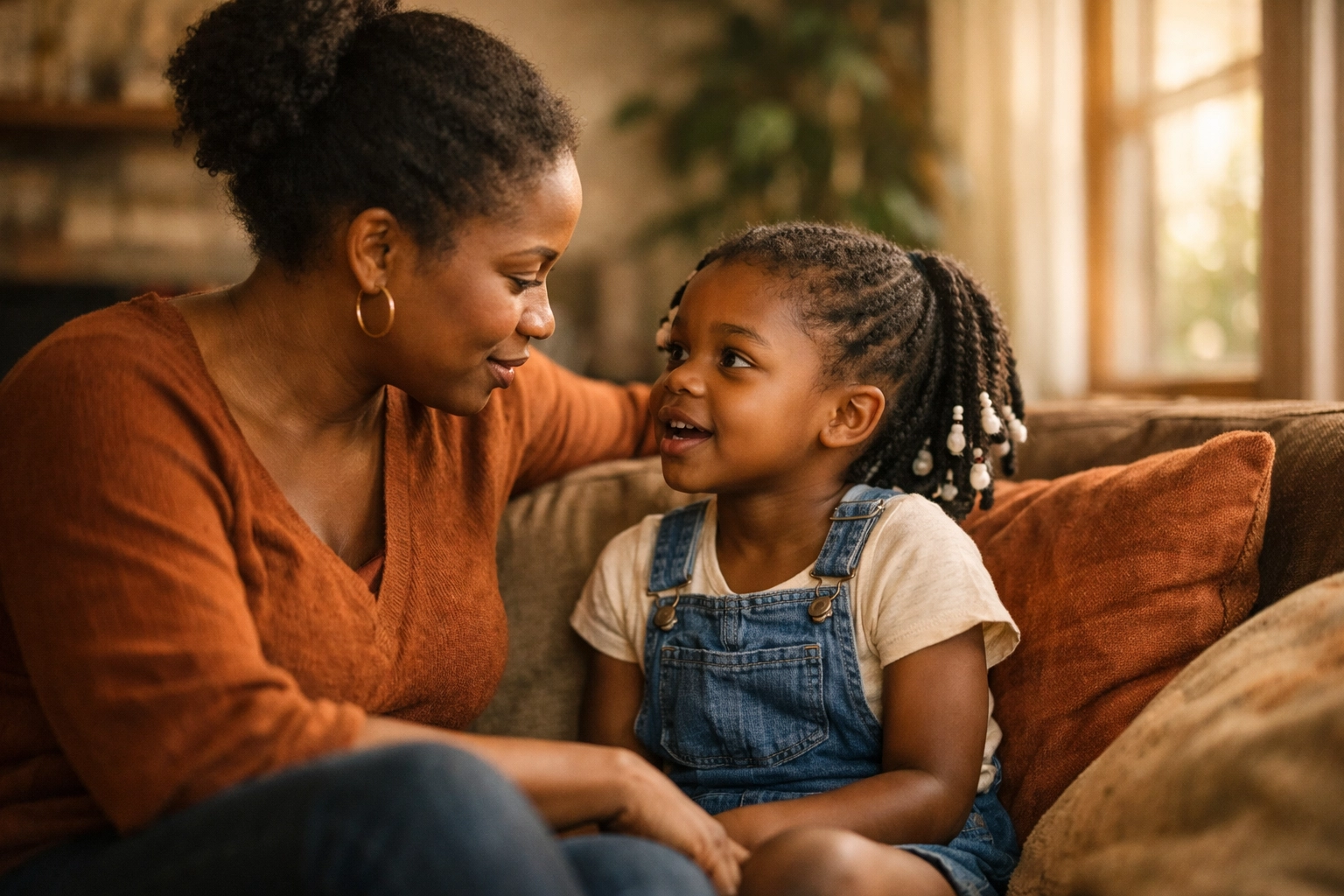
Create space for siblings to share their experiences. Children with different skin tones within the same family often have dramatically different experiences navigating the world and even within the home itself. Let them talk about it. Let them express hurt, confusion, or anger without defensiveness. The goal isn't to prove nobody meant harm: it's to preserve family bonds despite the colorist messages both inside and outside the home.
Show diversity as normal and beautiful. Expose your children to visual representations of human skin tone diversity across all media: books, shows, art, social media. Help them see that all shades are natural, valuable, and worthy of celebration. This seems basic, but it directly counters the narrow beauty standards bombarding them everywhere else.
Practical Steps Toward Healing
Healing from familial colorism requires intentional, sustained effort. Here's where to start:
Acknowledge the harm done. If you recognize that colorism has played out in your family, name it. Apologize to family members who experienced differential treatment. This isn't about guilt: it's about accountability and creating foundation for change.
Examine your language. Pay attention to how you describe beauty, attractiveness, and physical features. Are you using coded language that reinforces colorist hierarchies? Replace it with inclusive, diverse language that celebrates all skin tones equally.
Challenge colorist comments from extended family. You can't control what relatives say, but you can control how you respond. A simple "We don't talk about people that way in our family" sends a clear message to both the commenter and your children.
Seek professional support. Therapy provides a structured space to unpack the generational trauma around colorism, heal your own wounds, and develop strategies for raising children free from these biases. At The Mind and Therapy Clinic, we understand the unique cultural context of colorism within BIPOC communities and can help families navigate these conversations with both honesty and compassion.
Practice daily affirmation of all skin tones. Make it routine to celebrate the beauty in all your children's features, explicitly including skin tone. "Your skin is beautiful" should be as common as "I love you."
The Ripple Effect of Healing
When families do this work, something remarkable happens. Children grow up with healthier self-concepts. Sibling relationships strengthen instead of fracture. Adults heal wounds they didn't even realize they were carrying. And most importantly, the cycle breaks: these children won't unconsciously pass colorist biases to their own kids.
This isn't just about individual families feeling better. It's about collectively dismantling a system of oppression that has damaged BIPOC communities for generations. Every family that confronts colorism weakens its power in the broader culture.
The work is uncomfortable. It requires confronting painful truths about people we love and behaviors we've normalized. But on the other side of that discomfort is liberation: for you, your children, and the generations that follow.
The Mind and Therapy Clinic provides culturally responsive therapy for individuals and families navigating colorism, intergenerational trauma, and family dynamics. Led by Rodrego Way, Licensed Professional Counselor Supervisor, our practice creates safe space for BIPOC families to heal and build healthier patterns.
Ready to start healing? Contact us to schedule a consultation.
Posted in: Family Therapy, Cultural Identity, Intergenerational Trauma
Tags: trauma, therapy, counseling, family dynamics