Gender roles in the home have always been a hot topic, but for BIPOC families, the conversation gets even more layered. We're dealing with traditional expectations passed down through generations, modern pressures to "have it all," and the reality that systemic inequities make it harder to create the family dynamic we actually want. The result? Tension, resentment, and sometimes full-blown division in relationships that should feel like partnerships.
If you're navigating these waters right now: whether you're a Black woman exhausted from carrying the mental load or a Latino man feeling pressure to be the sole provider: you're not alone. Let's break down what's really happening in BIPOC homes when it comes to gender roles, and more importantly, how we can start having better conversations about it.
The Gender Role Gap Is Real (And It's Getting Wider)
Here's something that might not surprise you: men and women have wildly different views on traditional gender roles. Research shows that nearly 6 in 10 men support returning to traditional gender roles, compared with only 4 in 10 women. Among married couples, that gap gets even bigger: 62% of married men are on board with traditional arrangements, while less than half of married women (47%) feel the same way.
Think about what that means for your household. You could be lying in bed next to someone who has a completely different vision of what "fair" looks like. He might think he's being progressive by doing the dishes twice a week. You might be drowning because you're managing everything else: the kids' schedules, the emotional labor, the household admin: while working full-time.
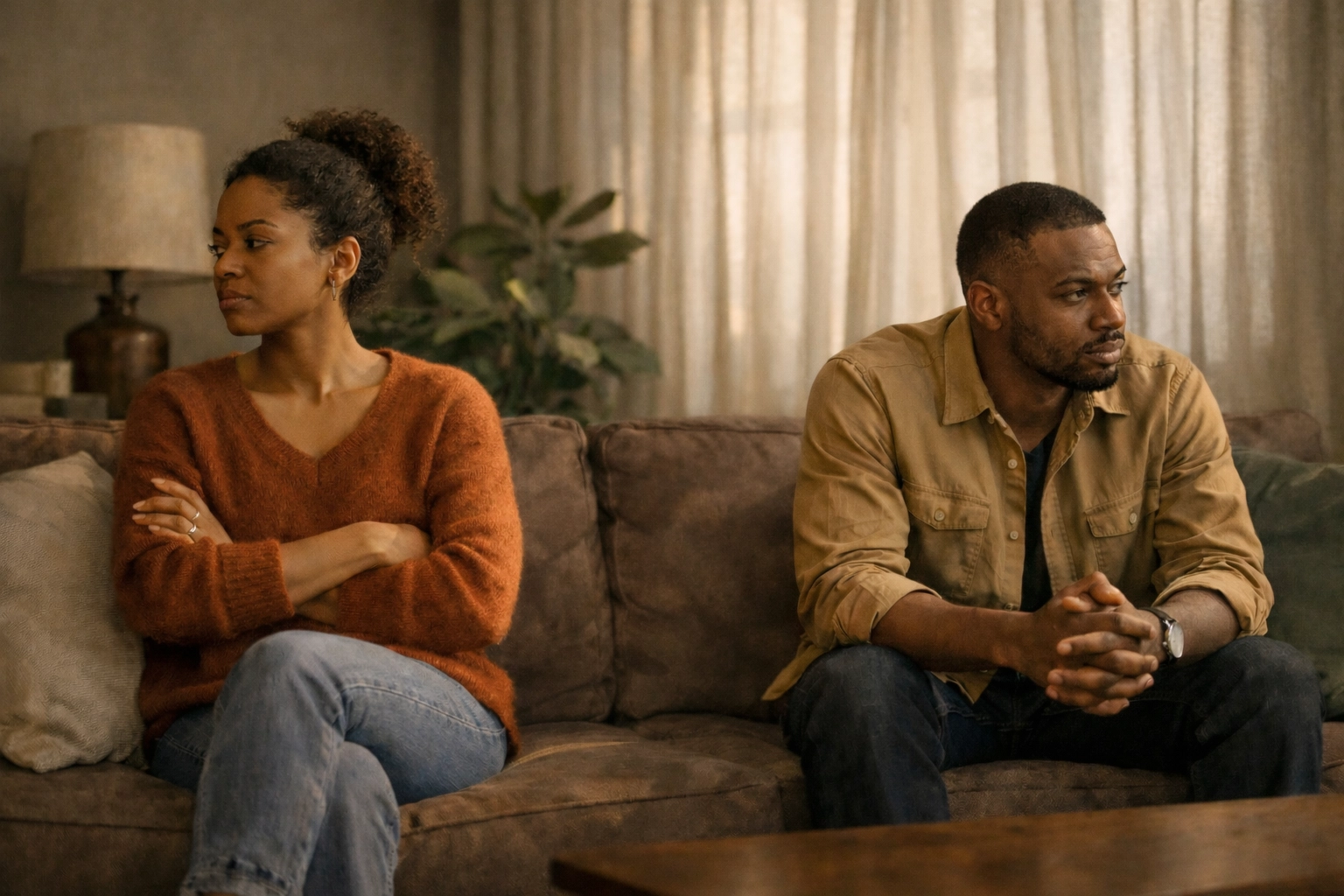
For BIPOC families, this isn't just about who does the laundry. It's about cultural identity, survival strategies passed down through generations, and the pressure to present a united front in a world that's already trying to tear us down.
The Unique Weight on BIPOC Mothers
Let's talk about something we don't discuss enough: mothers of color are often carrying an impossible load. Research indicates that greater internalization of traditional gender roles may lead mothers of color to take on even more responsibility for family demands than mothers in general.
This shows up in so many ways:
- You're expected to maintain cultural traditions and teach the kids about their heritage
- You're the bridge between your family and systems that weren't built for you (schools, healthcare, etc.)
- You're protecting your children from discrimination and trauma while managing your own
- You're often the default parent for everything, even when both partners work full-time
And here's the kicker: while you're doing all of this, you're also likely earning less than your white counterparts. Women of color experience the most severe gender wage gap in the United States, which means the economic pressure to "make it work" falls disproportionately on your shoulders.
When Economic Reality Clashes with Cultural Expectations
One expert noted that traditional gender role aspirations "are out of reach for more than two-thirds of families because of income inequality." For BIPOC families, this creates a painful catch-22.
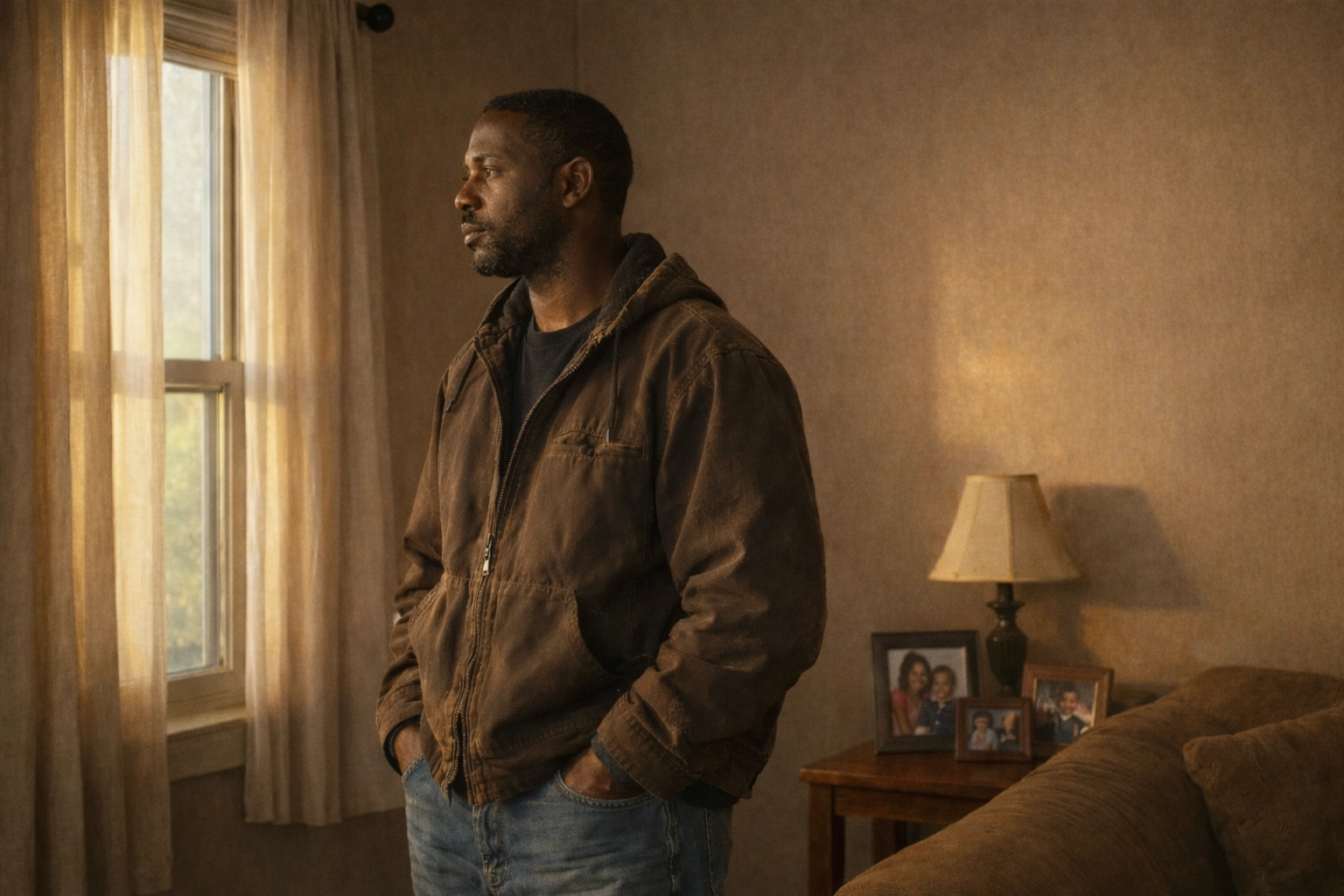
Maybe you grew up watching your father work while your mother stayed home, and part of you wants to recreate that stability for your kids. Or maybe you're a man who feels like you're failing because you can't be the sole provider: even though that model was always built on systemic advantages your family never had access to.
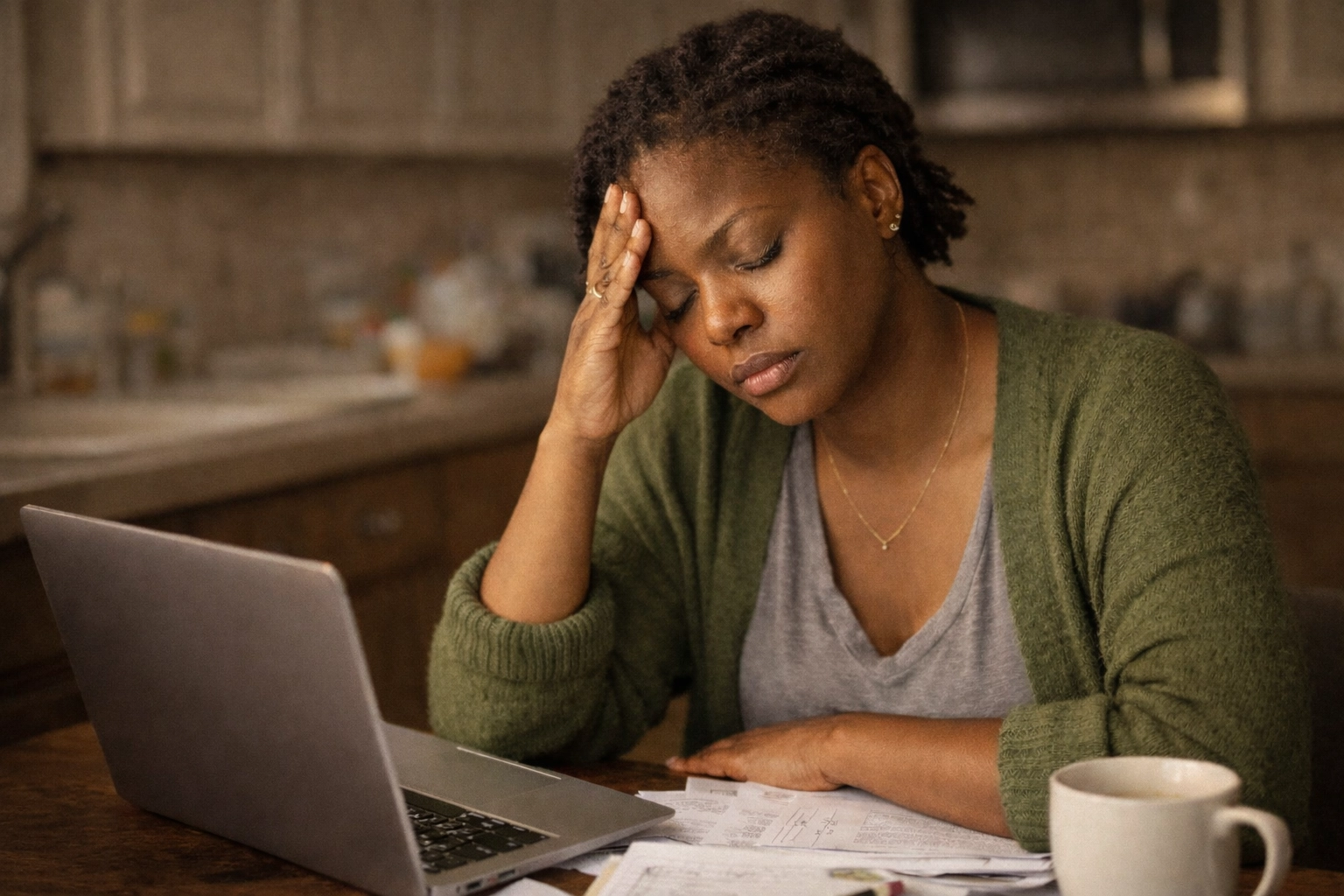
The truth is, most BIPOC households need dual incomes just to survive. But we're still judging ourselves and our partners against standards that don't match our reality. That's where the resentment builds.
Power, Control, and Safety in Intimate Relationships
We need to address something serious: when gender roles become rigid, they can create dangerous dynamics. Research shows that 41% of Black women and 36% of Black men experience physical violence from an intimate partner during their lifetimes. While this isn't solely about gender roles, the enforcement of strict expectations about "how men should be" and "how women should be" can absolutely contribute to controlling behaviors.
Healthy relationships require flexibility, not rigidity. When one partner feels entitled to certain behaviors or deference because of their gender, that's when we need to pump the brakes and reassess.
What Flexible Gender Roles Actually Look Like
So what's the solution? It's not about completely abandoning tradition or forcing everyone into a "modern" mold that doesn't fit. It's about creating space for honest conversations about what works for your specific family.
Here's what that might include:
Regular check-ins about the division of labor. Not just physical tasks, but emotional labor too: who's remembering birthdays, managing social obligations, and carrying the mental load?
Acknowledging economic realities without shame. If both partners need to work, that's not a failure. If one partner earns more, that doesn't automatically determine who has more say in decisions.
Making space for cultural values while questioning which ones actually serve you. Just because "that's how it's always been done" doesn't mean it has to be your way.
Recognizing that traditional doesn't automatically mean oppressive, and modern doesn't automatically mean better. Some couples thrive with traditional arrangements. Others need something different. The key is choice and mutual agreement.
Communication Tools That Actually Work
At The Mind and Therapy Clinic, I work with couples navigating these exact tensions. Here are some approaches that help:
Use "I" statements instead of accusations. "I feel overwhelmed managing everything alone" lands better than "You never help with anything."
Get specific about expectations. "I need you to handle the kids' morning routine three days a week" is clearer than "I need more help."
Acknowledge the cultural and historical context. Understanding why you both have the beliefs you do creates empathy, even when you disagree.
Be willing to experiment. Try new arrangements for a set period and reassess. Nothing has to be permanent.
Consider couples therapy with someone who understands the cultural dynamics at play. Not all therapists get the specific pressures BIPOC families face.
Moving Forward Together
Gender roles in BIPOC homes are complicated because we're not just dealing with individual preferences: we're dealing with generational trauma, economic injustice, cultural preservation, and the desire to create better for our families.
The division in your home isn't a sign that your relationship is broken. It's often a sign that you're trying to fit into molds that were never designed for your reality. The good news? You get to design something new.
That might mean the man in your life learns to braid hair and pack lunches. It might mean the woman in your life takes the lead on finances. It might mean you both figure out a hybrid approach that honors tradition while making space for modern realities.
Whatever it looks like, it needs to be built on mutual respect, honest communication, and the understanding that partnership means both people get a voice in how things run.
Need support navigating these conversations? Contact The Mind and Therapy Clinic to schedule a consultation. We specialize in helping BIPOC couples build stronger, more equitable partnerships that honor your cultural identity while creating the family dynamic you actually want.
Rodrego Way, LPC-S, LCDC | Licensed Professional Counselor Supervisor | The Mind and Therapy Clinic
Posted in: Relationships, BIPOC Mental Health, Family Therapy
Tags: Gender Roles, BIPOC Families, Relationship Counseling, Cultural Identity, Family Dynamics
Subscribe to our newsletter for more insights on building healthier relationships and stronger families.