
"What happens in this house stays in this house."
If you grew up hearing this phrase, you're not alone. For decades, this unwritten rule has been passed down through BIPOC families, especially within African American households, as a way to protect family privacy and maintain dignity in the face of systemic challenges. But here's the truth we need to talk about: this well-intentioned boundary has become one of the most damaging barriers to healing in our communities.
At The Mind and Therapy Clinic, I've sat across from countless individuals and couples who carry the weight of secrets that were never theirs to bear. The silence that was meant to protect has instead created division, enabled abuse, and prevented generations from accessing the mental health support they desperately need.
It's time we have an honest conversation about what this rule really costs us, and how we can break the cycle.
Where This Rule Came From (And Why It Made Sense)
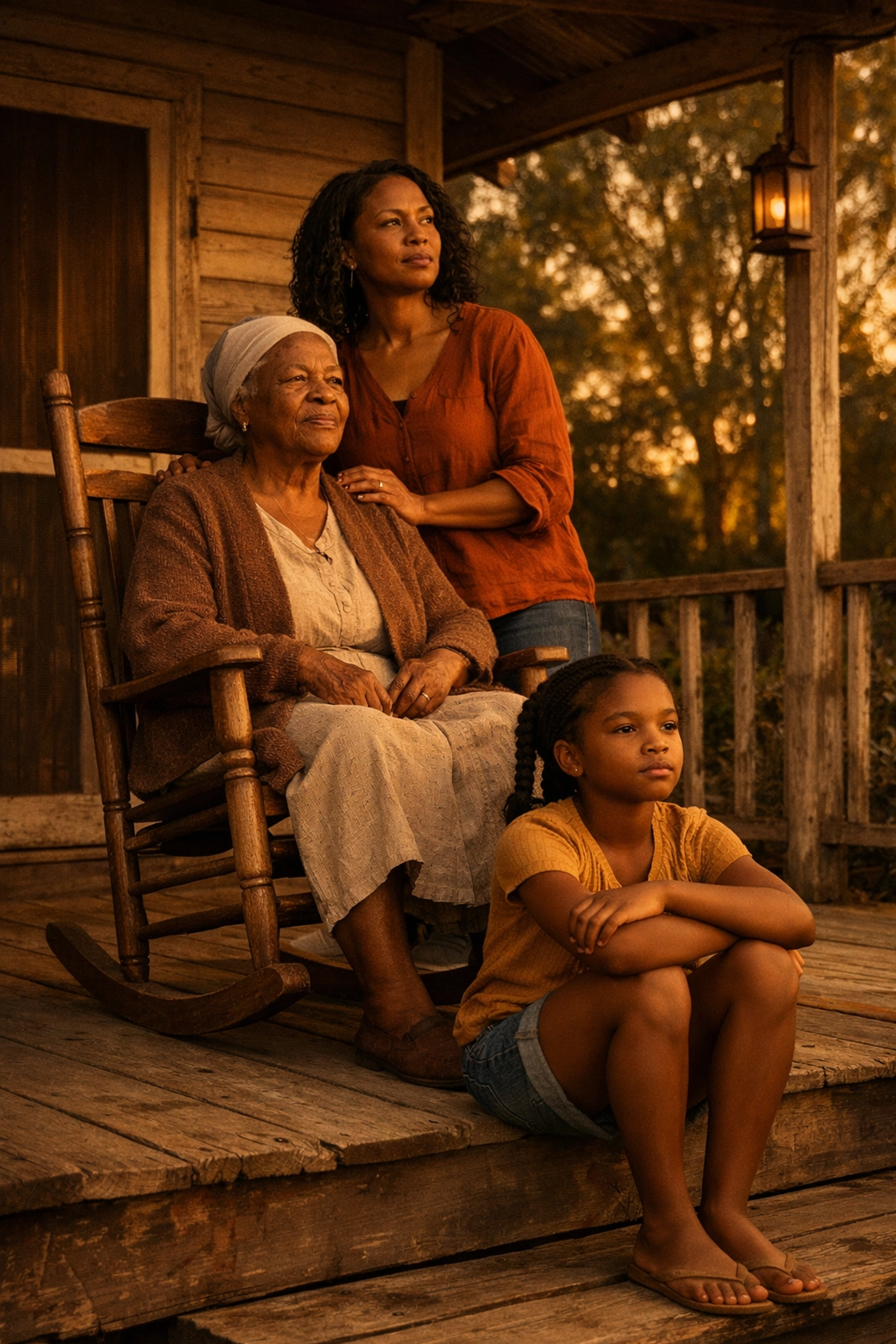
Let's be clear: the "what stays in this house" culture didn't emerge from nowhere. Our ancestors developed this practice as a survival mechanism. When you're navigating a world where your family is already judged, scrutinized, and discriminated against, keeping private matters private felt like protection. It was a shield against stereotypes, against having your struggles used as evidence of inferiority, against giving anyone more ammunition to harm your family.
For many Black families, there was also the very real fear of child protective services, law enforcement, or other institutions that historically haven't served our communities well. Talking about family problems outside the home could literally mean losing your children or facing criminal consequences for situations that white families might handle privately.
So yes, this rule came from a place of love and protection. Our elders weren't wrong for teaching it. They were doing what they thought would keep us safe.
But safety and silence aren't the same thing: and the cost of confusion between the two has been devastating.
The Real Cost: How Silence Destroys From Within
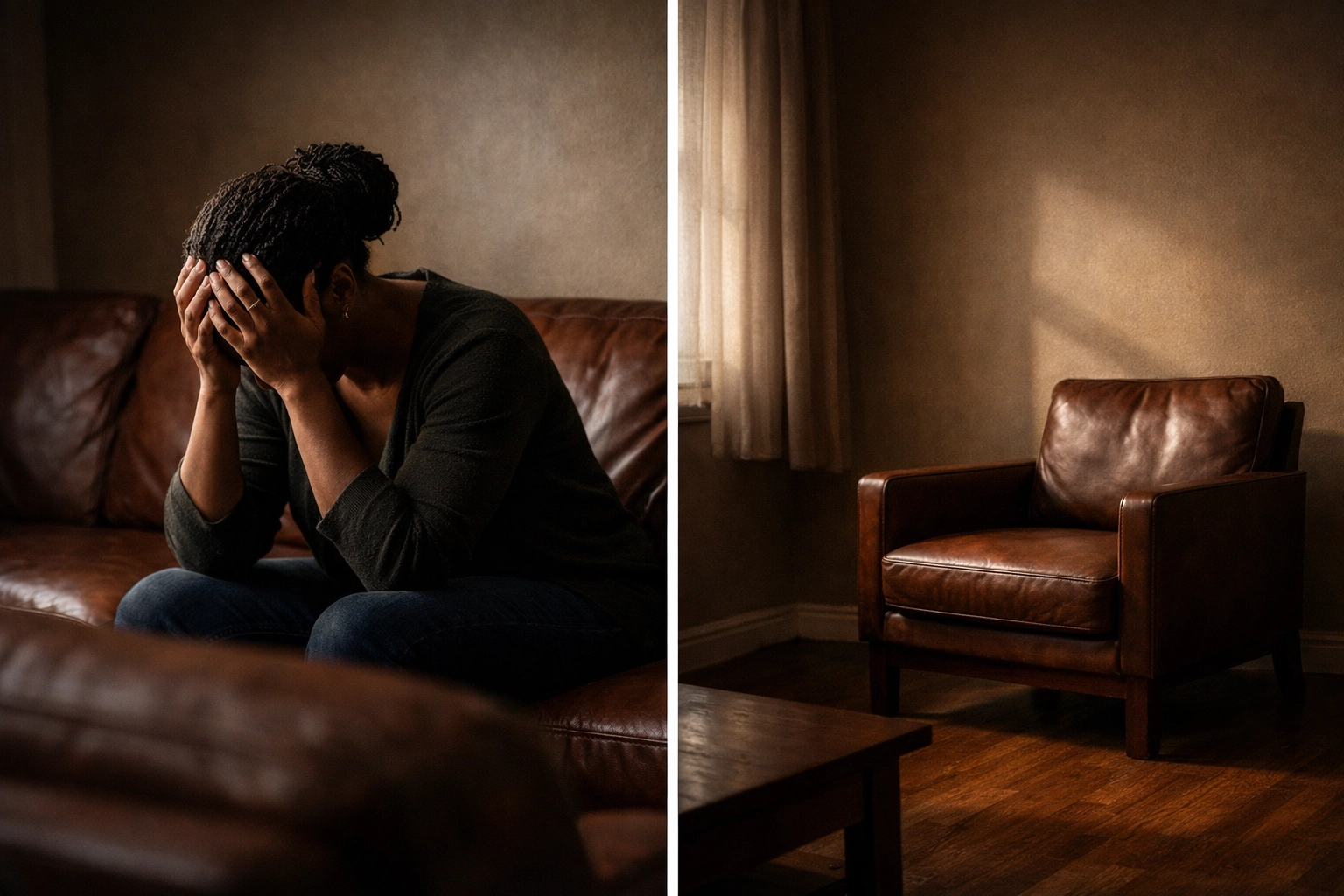
Here's what I see in my practice every single week: adults who still carry childhood trauma because they were taught that speaking about abuse meant betraying the family. Couples on the brink of divorce because neither partner learned how to communicate about pain. Parents repeating patterns they swore they'd break, simply because those patterns were never named, never addressed, never healed.
The "what stays in this house" rule doesn't just keep secrets: it keeps wounds open.
This cultural norm silences victims of:
- Domestic violence and intimate partner abuse
- Child abuse and neglect
- Sexual assault and molestation (even by family members)
- Substance abuse and addiction
- Mental health crises including depression, anxiety, and suicidal ideation
- Financial manipulation and control
- Emotional abuse and gaslighting
When we enforce silence around these issues, we're not protecting our families. We're protecting perpetrators. We're enabling harm to continue. We're teaching the next generation that suffering in silence is somehow more honorable than seeking help.
One of my clients once told me, "I spent 30 years thinking something was wrong with me because I couldn't just keep it together like my mama did. Turns out my mama was suffering too: she just never told anyone." That's generational trauma in action. That's what happens when survival strategies outlive their usefulness and become prisons instead.
How This Rule Divides Relationships and Families
The impact of enforced silence doesn't stay contained. It spreads through relationships like cracks in a foundation, creating division in ways we don't always recognize:
Between Partners: When couples can't seek outside support: whether from therapists, trusted friends, or family: they become isolated islands trying to solve complex problems alone. This breeds resentment, misunderstanding, and emotional distance. One partner may be desperate for help while the other enforces the family silence rule, creating a power imbalance that mimics the very abuse the rule was meant to hide.
Between Parents and Children: Kids who grow up in homes where problems can't be acknowledged learn that their perceptions aren't valid. They see dysfunction but are told everything is fine. This creates confusion, self-doubt, and an inability to trust their own judgment: patterns that follow them into their adult relationships.
Between Extended Family Members: The rule creates hierarchies of who knows what, breeding mistrust and gossip. Information becomes currency and power, used to manipulate and control rather than support and heal.
Within Yourself: Perhaps most damaging is the internal division this rule creates. When you can't speak your truth, you learn to distrust yourself. You develop anxiety, depression, and physical symptoms from carrying stress you're not allowed to name. You become divided against your own needs, your own reality, your own healing.
Breaking the Cycle: A New Framework for Family Privacy
Here's what many people fear: if we break the "what stays in this house" rule, we're inviting judgment, losing control, or betraying our culture. But there's a massive difference between healthy boundaries and harmful silence.
Healthy boundaries look like:
- Choosing who you share with (trained therapists, trusted supports) rather than telling no one
- Protecting privacy while still accessing help when needed
- Teaching children the difference between discretion and secrecy
- Understanding that seeking support isn't airing dirty laundry: it's doing laundry instead of letting it pile up and rot
Harmful silence looks like:
- Preventing victims from reporting abuse or seeking protection
- Prioritizing family image over family safety
- Making mental health support inaccessible due to shame
- Forcing people to choose between family loyalty and their own wellbeing
As a Licensed Professional Counselor Supervisor, I can tell you this: the families that heal are the ones that learn to replace "what stays in this house" with "we get help when we need it."
Practical Steps to Break the Silence in Your Family
If you're ready to create change, here are concrete steps you can take:
1. Start with yourself. You can't change your whole family system, but you can change your role in it. Seek therapy, join a support group, talk to trusted friends. Model that it's okay to ask for help.
2. Have conversations about the rule. Name it explicitly with your partner or adult family members: "I know we were taught to keep everything private, but I think that's hurting us more than helping. Can we talk about what healthy privacy might look like instead?"
3. Create new family values. Instead of "what stays in this house," try "we protect each other by getting help when we need it" or "we solve problems together with support when necessary."
4. Teach children the difference. Help kids understand: "Some things are private (like your body, your personal thoughts), and some things need adult help (if someone hurts you, if you feel really scared or sad)."
5. Choose culturally competent support. Work with therapists who understand the cultural context of this rule and won't judge your family for struggling with it. At The Mind and Therapy Clinic, we specialize in helping BIPOC families navigate these exact challenges with understanding and respect for where the patterns came from.

The Freedom on the Other Side of Silence
I've watched families transform when they decide that healing matters more than hiding. I've seen couples reconnect when they finally seek marriage counseling instead of suffering alone. I've witnessed adults finally process childhood trauma and break patterns that seemed unbreakable.
The truth is, our ancestors kept silent to survive. But we don't have to choose between survival and healing anymore. We can honor their struggle while also acknowledging that we need different strategies now.
Breaking the "what stays in this house" culture doesn't mean disrespecting family or airing everything publicly. It means choosing life over legacy trauma. It means prioritizing mental health over appearance. It means giving the next generation permission to heal instead of hide.
Moving Forward Together
This conversation is just the beginning. If you're struggling with the weight of family silence, if you're unsure how to protect your relationship while also seeking help, or if you're ready to break generational patterns but don't know where to start: you don't have to figure it out alone.
That's literally what therapy is for. That's why culturally responsive mental health support exists. Not to judge your family or force you to betray your values, but to help you create new patterns that honor both your heritage and your healing.
Ready to break the silence? Schedule a consultation at The Mind and Therapy Clinic. We understand where you're coming from, and we're here to help you create the change your family deserves.
Subscribe to our newsletter for more insights on navigating cultural patterns, healing trauma, and building stronger relationships in BIPOC communities.
Leave a comment: What's your experience with the "what stays in this house" rule? How has it impacted your family? Let's continue this important conversation.
Posted in: Mental Health | Stress Management
Tags: Counseling
The Mind and Therapy Clinic | Rodrego Way, LPC-S, LCDC | Owner/Therapist
Empowering BIPOC communities through culturally responsive mental health care