

Let's be real: step-parenting is tough for anyone. But when you're a Black, Indigenous, or Person of Color navigating a blended family, you're dealing with a whole other layer of complexity that most parenting books never touch. You're not just merging households; you're potentially merging different cultural practices, navigating systemic barriers together, and trying to create stability in a world that doesn't always make that easy for BIPOC families.
At The Mind and Therapy Clinic, I've walked alongside countless BIPOC families through the beautiful chaos of blending families. Today, we're diving into the real issues that cause friction, division, and sometimes heartbreak: and more importantly, how to move through them with intention and grace.
The Cultural Identity Tightrope

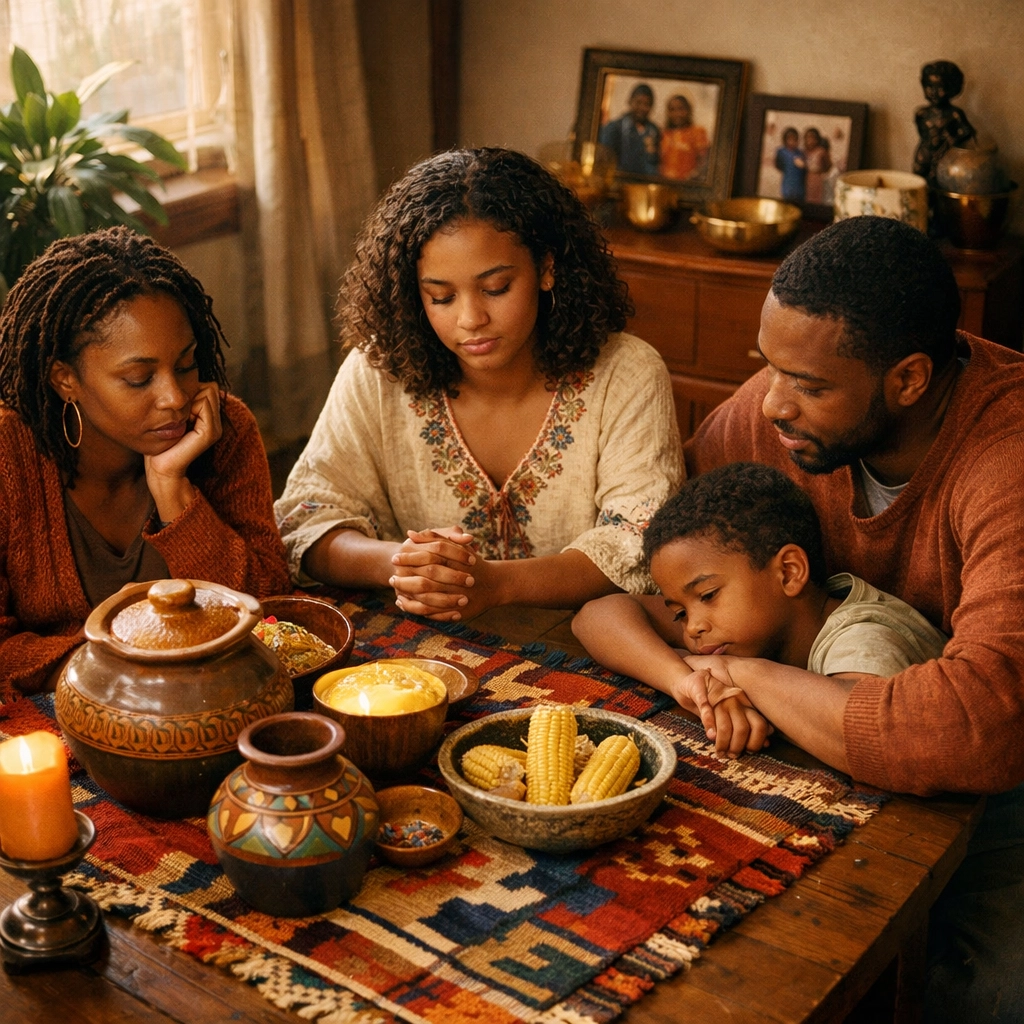
One of the biggest strains in BIPOC step-families? Navigating cultural identity when you're bringing different backgrounds, traditions, and values under one roof. Maybe you're a Black stepparent coming into a home where the biological parent has different ideas about discipline, community involvement, or how to talk about race with the kids. Or perhaps you're Indigenous, and your stepchildren have been raised without connection to cultural practices that are central to your identity.
These aren't small differences. They're about who we are at our core.
The challenge intensifies when:
- You and your partner were raised with different approaches to teaching kids about their racial identity
- Extended family members question your authority or cultural "authenticity"
- Children feel caught between honoring their biological parent's culture and embracing yours
- There's no roadmap for how to blend traditions without erasing anyone's heritage
The Reality Check: Cultural fusion in blended families isn't about one culture "winning." It's about creating space for all identities to be seen, valued, and practiced. That means having honest conversations about which traditions matter most to each person and why.
When Parenting Styles Clash: and History Explains Why
Here's what many people don't understand: parenting styles in BIPOC communities aren't random. They're often shaped by generational trauma, survival strategies, and what our own parents had to do to keep us safe in a world that wasn't always welcoming.
Maybe you were raised with strict discipline because your parents knew one mistake could have devastating consequences for a Black child. Or perhaps your partner grew up in a home where emotional expression was discouraged as a way to cope with ongoing displacement and loss. When these different approaches collide in a blended family, it's not just about "different opinions": it's about deeply rooted protective mechanisms.
This creates tension when:
- You see your stepchild receiving discipline you consider too harsh (or too lenient)
- Your partner interprets your parenting approach as disrespectful to their culture
- Kids learn to play parents against each other by exploiting these differences
- Neither partner feels heard or validated in their parenting perspective
Moving Forward: Creating a unified parenting approach means acknowledging where your styles come from without judgment. It's okay to say, "I was raised this way because my community needed this to survive, but let's talk about what our kids need right now."
The Money Talk Nobody Wants to Have
Financial stress hits different in BIPOC households. We're dealing with wealth gaps that span generations, employment discrimination, and systems that weren't designed with our prosperity in mind. Add step-parenting to the mix, and money becomes a major source of division.
Consider these common scenarios:
- Child support payments strain the household budget
- Different financial priorities based on cultural values around family obligation
- Resentment about supporting "someone else's kids" when money is tight
- Pressure to financially support extended family members while building a blended family
- Competing expenses between culturally important activities and basic needs
According to research on BIPOC families, many struggle to access mental health support simply because therapy takes a back seat to immediate needs like childcare, groceries, and housing. When you're in a blended family, these resource allocation decisions become even more complicated.
The hard truth? Money fights in step-families aren't always about the money itself. They're about fairness, respect, security, and whether everyone's needs: including cultural and community obligations: are being considered.
The Ex-Partner Factor in BIPOC Communities

Co-parenting with an ex is challenging in any context, but BIPOC step-parents often face unique dynamics. There's the biological parent who questions whether you can properly care for their child's hair. The ex who makes comments about you "not being their culture." The community members who side with the biological parent because of shared cultural ties.
This strain intensifies when:
- The biological parent uses cultural knowledge as a weapon to undermine your relationship
- Extended family members won't acknowledge your role because you're not blood
- Community gossip and judgment affect your family's reputation
- Different co-parenting households have completely different approaches to teaching kids about their identity
And let's talk about something many BIPOC stepparents experience but rarely discuss: the fear that you're not "enough" to help raise a child from a culture or background different from your own. This imposter syndrome runs deep.
Building Trust Without Erasing History
One of the most delicate balancing acts? Building genuine bonds with stepchildren while respecting their connection to their biological parent. This gets even more complex in BIPOC families where community, extended family, and cultural traditions play such significant roles.
Kids are watching to see if:
- You respect their biological parent, even when co-parenting is difficult
- You value their cultural traditions or try to replace them with your own
- You see them as individuals or as representatives of their parent
- You're in it for the long haul or just until things get hard
Pro tip from therapy sessions: Children in blended BIPOC families often carry an extra layer of loyalty conflict. They're not just worried about betraying their biological parent by loving you: they might also feel they're betraying their cultural community or racial identity.
The path forward requires patience, cultural humility, and consistent presence even when it's uncomfortable.
The Missing Safety Net: Culturally Responsive Support
Here's a reality that makes everything harder: most blended family resources weren't created with BIPOC families in mind. The parenting books, the support groups, the online communities: they often miss the mark because they don't address the intersection of race, culture, and step-parenting.
This means BIPOC step-families are often navigating without:
- Therapists who understand the cultural context of your family dynamics
- Support systems that acknowledge systemic barriers affecting your family
- Resources that address both blended family issues AND racial identity development
- Community spaces where your specific challenges are recognized
At The Mind and Therapy Clinic, I've seen how transformative it is when families finally find culturally responsive support that speaks to their actual lived experience.
Creating Your Blended Family Blueprint
Despite all these challenges, BIPOC blended families are thriving every single day. They're creating new traditions, building bridges across differences, and proving that love, intention, and cultural respect can overcome division.
Here's what successful BIPOC step-families often do differently:
They communicate openly about culture: Regular family meetings where everyone can share what cultural practices, traditions, or values matter most to them.
They seek support early: Whether it's therapy, community mentorship, or extended family guidance, they don't wait until crisis hits.
They honor complexity: They resist pressure to have everything figured out or to present a "perfect blended family" image to the community.
They protect the kids: They keep adult conflicts adult and shield children from loyalty battles or cultural judgment.
They build their own traditions: Rather than just preserving old traditions or abandoning them, they create new ones that honor everyone's heritage.
You Don't Have to Navigate This Alone
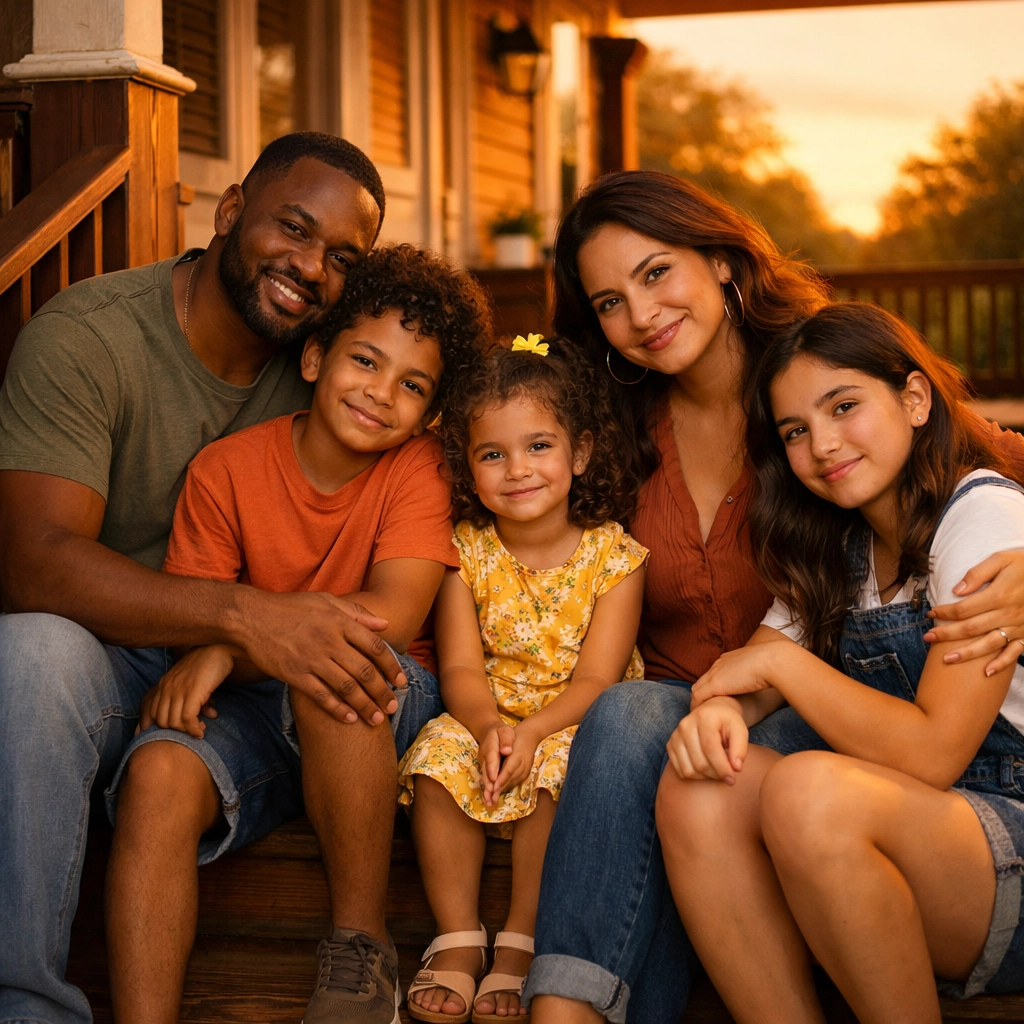
Step-parenting in a BIPOC family means you're doing one of the hardest jobs in the world: creating family in a society that often works against family stability for communities of color. The cultural pressures, financial stress, co-parenting challenges, and identity questions are real. And they're heavy.
But here's what I want you to know as a Licensed Professional Counselor Supervisor who has worked with families just like yours: the fact that you're reading this, seeking understanding, and trying to do better? That already sets you apart. That's the kind of intention that changes family trees.
If your blended family is struggling, that doesn't mean you're failing. It means you're human, and you're dealing with complex dynamics that require support. At The Mind and Therapy Clinic, we specialize in helping BIPOC families navigate these exact challenges with cultural sensitivity and practical strategies.
Ready to strengthen your blended family foundation? Reach out to The Mind and Therapy Clinic for culturally responsive family therapy that addresses the real issues BIPOC families face. Contact us to schedule a consultation.
Subscribe to our newsletter for more insights on navigating family dynamics, cultural identity, and mental wellness in BIPOC communities.
Posted in: Mental Health, Stress Management
Tags: BIPOC families, blended families, step-parenting, cultural identity, family therapy, Black families, Indigenous families, co-parenting
Rodrego Way, LPC-S, LCDC
Licensed Professional Counselor Supervisor
The Mind and Therapy Clinic