
Let's be real, healing from trauma in Black families isn't just about what happened to us individually. It's about generations of pain, resilience, and survival strategies that have been passed down like family recipes. But here's the thing: some of those strategies that helped our ancestors survive aren't serving us anymore. In fact, they might be holding us back from true healing.
As a therapist who's walked alongside countless Black families on their trauma recovery journey, I've noticed patterns, common mistakes that keep showing up, keeping families stuck in cycles of pain instead of moving toward healing. And honestly? Most of these mistakes come from a place of love and protection. But it's time we talk about them.
Mistake #1: Treating Self-Care Like It's Selfish
How many times have you heard (or said) "I don't have time for that" when it comes to taking care of yourself? In Black families, we're often taught that putting ourselves first is selfish. We're the strong ones. We're the ones who hold everything together. Rest is for people who don't have real responsibilities.
But here's what research on trauma recovery tells us: self-care isn't a luxury, it's a necessity for healing. When you're constantly running on empty, trying to be everything for everyone, you're not actually helping your family. You're teaching them that their needs don't matter either.

Real self-care in trauma recovery looks like:
- Setting boundaries without guilt
- Practicing mindfulness or meditation regularly
- Journaling to process your thoughts and feelings
- Saying "no" when you need to
- Getting enough sleep (yes, really)
- Seeking therapy when you need support
Think of it this way: you can't pour from an empty cup. And teaching your children to prioritize their mental health starts with you modeling it first.
Mistake #2: Keeping Trauma "In the Family"
"What happens in this house stays in this house." Sound familiar? This mentality has protected Black families from judgment and kept our business out of the streets for generations. But when it comes to trauma recovery, this silence is literally killing us.
The idea that we should handle everything internally, without outside help, comes from a real place. Historically, Black families couldn't trust external systems, and honestly, many of those systems still fail us today. But isolation isn't the answer.
Community connection is one of the most powerful tools for healing trauma. That doesn't mean airing your dirty laundry to anyone who'll listen. It means building a support network of people who understand what you're going through. It means finding therapists who get it, who understand the unique intersection of racial trauma, historical trauma, and personal trauma that Black families carry.
At The Mind and Therapy Clinic, we've seen families transform when they finally let trusted professionals into their healing journey. You don't have to do this alone.
Mistake #3: Denying the Impact of Inherited Trauma
"That was in the past. We need to move forward." I hear this a lot. And while I understand the impulse to focus on the future, denying the reality of intergenerational trauma keeps it alive and well in your family system.
Here's what we know: trauma doesn't just affect the person who experienced it, it gets passed down through generations. The survival strategies your grandparents developed during Jim Crow, the hypervigilance your parents learned during their childhood, the messages about trust and safety that shaped your upbringing, all of that is still showing up in how you parent, how you communicate, how you love.
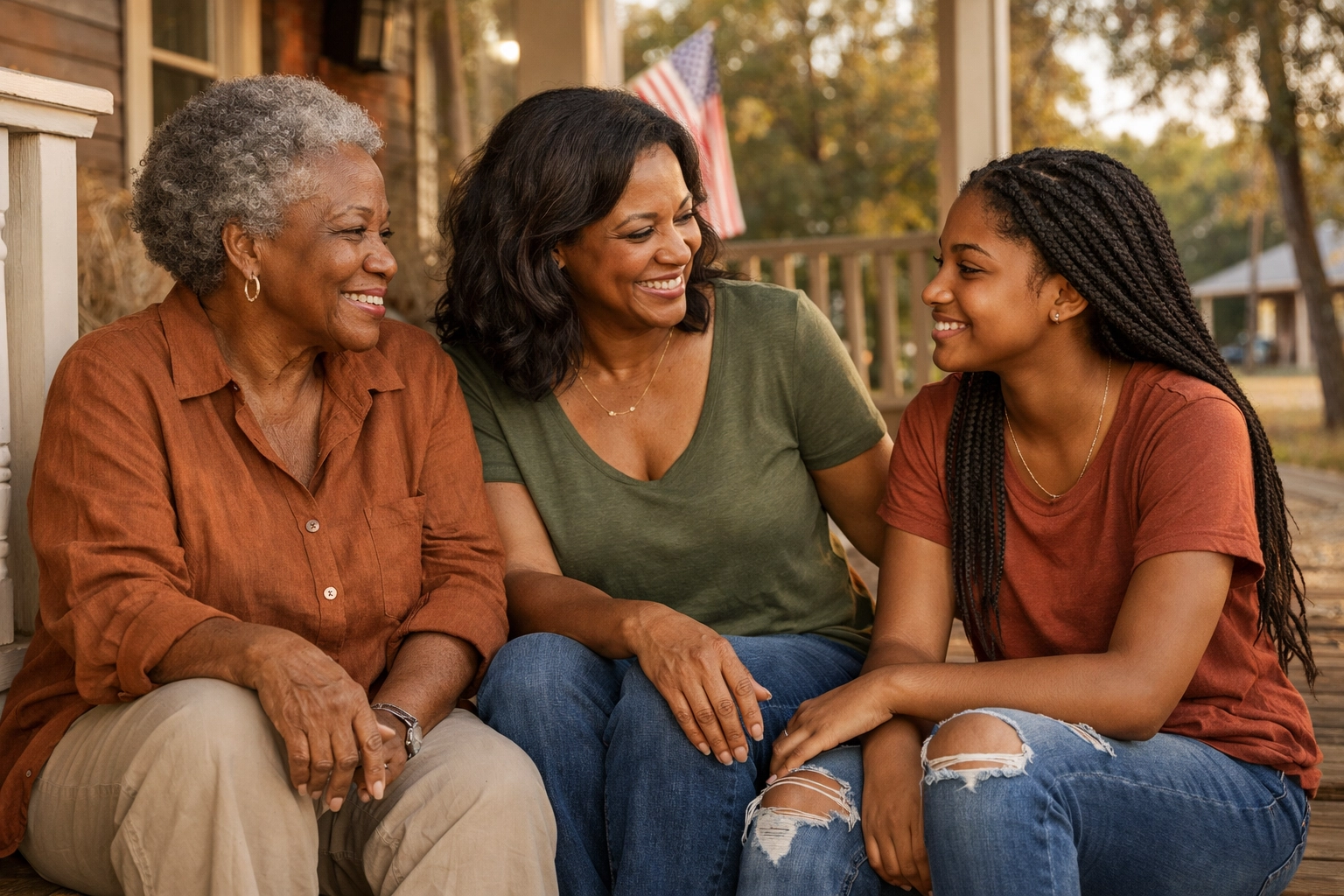
Acknowledging inherited trauma isn't about playing the victim or making excuses. It's about understanding the full picture so you can make different choices. It's about recognizing that your body's stress response to certain situations might not just be about what's happening now, it might be connected to what happened to your ancestors.
Common signs of inherited trauma in Black families include:
- Difficulty trusting others, even loved ones
- Constantly feeling like you need to prove yourself
- Hypervigilance or always waiting for the other shoe to drop
- Difficulty expressing emotions or vulnerability
- Perfectionism or fear of making mistakes
- Feeling disconnected from your cultural identity
The good news? Once you recognize these patterns, you can start to break them. That's where the real healing begins.
Mistake #4: Believing That "Strong" Means "Never Breaking Down"
The Strong Black Woman. The Strong Black Man. These archetypes have helped us survive impossible circumstances. But they're also keeping many Black families from getting the mental health support they desperately need.
Strength isn't about never crying, never asking for help, or pushing through no matter what. Real strength is recognizing when you need support and having the courage to ask for it. Real strength is choosing to heal instead of just surviving.
Black family therapy isn't about weakness, it's about breaking cycles. It's about creating a different legacy for the next generation. It's about teaching your children that all emotions are valid, that asking for help is smart, not shameful.

When families come to therapy, they often start by apologizing for being there. "I know we should be able to handle this ourselves," they say. And every time, I remind them: seeking help is one of the bravest things you can do. It takes more strength to face your pain than to run from it.
Mistake #5: Treating Mental Health Like It's Separate From Physical Health
In many Black families, we'll go to the doctor for a checkache, but the idea of seeing a therapist for emotional pain? That's often seen as unnecessary or "too much." But here's the reality: your mental health and physical health are deeply connected, especially when it comes to trauma.
Unhealed trauma shows up in your body as:
- Chronic pain
- High blood pressure
- Digestive issues
- Headaches and migraines
- Sleep problems
- Weakened immune system
That pain in your back? Those stress headaches? That constant fatigue? They might be your body's way of telling you that you have unprocessed trauma that needs attention. Ignoring your mental health doesn't just affect your mind, it affects your entire wellbeing.
Mental health therapy, particularly trauma-focused approaches like cognitive behavioral therapy, helps you understand how your body stores trauma and gives you tools to release it. It's not just about talking, it's about rewiring your nervous system so you can actually feel safe in your own body.
Moving Forward: What Actual Trauma Recovery Looks Like
So if these are the mistakes to avoid, what should Black families be doing instead? Here's the real talk:
Practice Identity Affirmation: Actively work to separate the lies you've internalized about yourself and your family from your true identity. Recognize your inherent worth beyond what you achieve or how you serve others.
Build Your Village: Connect with community, whether that's a trauma-informed therapist, a support group, your church community, or trusted friends who understand. Healing happens in connection, not isolation.
Honor Your Story: Acknowledge the full truth of your family's history, including the trauma. You can't heal what you won't acknowledge.
Redefine Strength: Start measuring strength by your capacity for vulnerability, authenticity, and growth, not by how much you can endure silently.
Invest in Professional Support: Whether it's individual therapy, family therapy, or community-based trauma services, professional support is an investment in your family's future, not an admission of failure.
Ready to Start Your Family's Healing Journey?
Listen, I know this isn't easy. Changing patterns that have been in your family for generations takes courage. But you're here, reading this, which means you're already taking the first step. That matters.
If you're ready to stop making these common mistakes and start real trauma recovery, we're here to help. At The Mind and Therapy Clinic, we specialize in working with Black families who are ready to break cycles and create new legacies of healing.
You don't have to have it all figured out. You just have to be willing to start.
Posted in: Mental Health
Tags: trauma recovery, Black family therapy, mental health therapy, intergenerational trauma, healing
Subscribe to our newsletter to get more practical mental health insights delivered to your inbox.
Leave a Comment: What resonates with you most from this article? What healing practices have worked for your family?
Rodrego Way, LPC-S, LCDC | Owner/Therapist at The Mind and Therapy Clinic