

Depression does not always look the way we expect it to. For many Black men navigating relationship challenges, the signs of depression often hide behind walls of withdrawal, irritability, or anger. These emotional responses, frequently misunderstood or dismissed, can mask a deeper struggle that deserves attention, understanding, and support.
At The Mind and Therapy Clinic, we recognize that relationship struggles carry unique weight for Black men in today's society. The intersection of cultural expectations, systemic pressures, and personal experiences creates a complex landscape where mental health needs often go unaddressed. This post explores how relationship issues specifically impact the mental health of Black men and offers pathways toward healing.
The Hidden Face of Depression in Black Men
Depression in Black men rarely presents as the "textbook" sadness many associate with the condition. Instead, it frequently manifests through:
- Withdrawal from partners and loved ones: Pulling away emotionally or physically from relationships
- Increased irritability or anger: Short tempers, frustration, or explosive reactions to minor stressors
- Emotional numbness: Difficulty expressing feelings or connecting with others
- Overworking or constant busyness: Using productivity as a distraction from emotional pain
- Changes in sleep patterns: Either sleeping excessively or struggling with insomnia
- Physical complaints: Headaches, digestive issues, or unexplained aches
These symptoms often go unrecognized as depression because they do not fit the conventional image of someone who is "depressed." When a Black man becomes distant during relationship difficulties or responds with anger to conflict, the underlying depression frequently remains invisible to partners, family members, and even the individual himself.
The Relationship-Depression Connection
Research examining African American couples reveals a significant bidirectional relationship between depression and relationship quality. This means that relationship problems can trigger or worsen depression, and depression can simultaneously damage relationship health.
Several key relationship factors influence depression among Black men:
Partner Support
Studies show that partner support demonstrates strong protective effects against depressive symptoms over time. When support decreases or disappears during relationship difficulties, the impact on mental health can be substantial. The absence of a supportive connection often hits hardest not immediately, but over the following months as isolation deepens.
Ineffective Communication and Arguing
Conflictual interactions show immediate associations with depression. When couples engage in patterns of ineffective arguing: shouting matches, stonewalling, or criticism: the mental health consequences appear right away. For Black men who may already struggle to express vulnerable emotions, hostile communication patterns can push them further into withdrawal or anger.
Relationship Satisfaction
Lower relationship satisfaction correlates directly with higher depressive symptoms. When a relationship feels unfulfilling, disconnected, or troubled, it creates a persistent emotional weight that compounds over time.

The Weight of Cultural and Systemic Factors
Understanding depression linked to relationship struggles in Black communities requires acknowledging the broader context in which these relationships exist.
Racism and Discrimination
Black men experience higher rates of racism-related stress, which adversely affects relationship satisfaction and family well-being. The daily burden of navigating discrimination creates an emotional toll that does not simply disappear when coming home. Instead, this stress often spills into intimate relationships, creating tension and conflict that may have nothing to do with the relationship itself.
Historical Trauma
Generations of systemic oppression have shaped how Black communities relate to mental health, vulnerability, and help-seeking. This historical context influences current relationship dynamics and attitudes toward emotional expression.
Economic Pressures
Black adults living below the poverty line are more than twice as likely to report serious psychological distress. Limited access to financial resources increases stress within couples and contributes to relationship dissatisfaction. When a Black man feels unable to provide or faces economic instability, it can trigger feelings of inadequacy that manifest as depression masked by anger or withdrawal.
Cultural Messaging Around Masculinity
Black men face heightened cultural messaging that labels emotional vulnerability as "weakness." This stigma discourages help-seeking and creates pressure to appear strong and unaffected at all times. When relationship problems arise, this pressure can prevent honest communication about feelings and needs, pushing depression further underground.
Breaking Through the Barriers to Healing
Recognizing the barriers is the first step toward overcoming them. Here are pathways forward:
Recognizing the Signs in Yourself or Your Partner
Pay attention to changes in behavior during relationship difficulties. If you or your partner becomes increasingly withdrawn, irritable, or disconnected during relationship stress, consider that depression may be playing a role. Anger and withdrawal are not simply "personality traits": they can be symptoms that deserve compassionate attention.
Reframing Help-Seeking as Strength
Seeking support for mental health challenges requires courage. Challenging the cultural narrative that equates vulnerability with weakness represents a powerful act of self-care and strength. Reaching out for help demonstrates commitment to personal growth and relationship health.

Focusing on Communication Patterns
Evidence-based approaches such as emotionally focused therapy can help couples identify triggering emotions and rebuild connection. Working on communication skills: learning to express needs without attacking, to listen without defending: can interrupt the cycle between relationship conflict and depression.
Building Support Networks
Partner support serves as a protective factor against depression. Cultivating supportive relationships both within and outside the romantic partnership creates resilience. This might include friendships, family connections, community groups, or therapeutic relationships.
Addressing the Whole Picture
Effective treatment acknowledges that relationship struggles and depression in Black men exist within a larger context. Therapy that understands the intersection of cultural factors, systemic pressures, and personal experiences offers the most comprehensive path to healing.
Taking the Next Step
If you recognize yourself or someone you care about in this post, know that support is available. Depression linked to relationship struggles is treatable, and addressing it can transform not only individual mental health but relationship quality as well.
At The Mind and Therapy Clinic, we provide a space where Black men can explore their mental health without judgment. Our approach honors the full complexity of the challenges you face while offering practical tools for healing and growth.
How to Get Started
- Explore our services: Visit our services page to learn about therapy options
- Schedule a consultation: Contact us through our contact page to discuss your needs
- Learn more about us: Read about our approach on our about page
Questions or thoughts about this topic? Leave a comment below or reach out directly. Your experiences and perspectives matter, and sharing them can help others feel less alone in their struggles.
Want more content like this? Subscribe to our newsletter for regular updates on mental health topics relevant to your life and relationships.
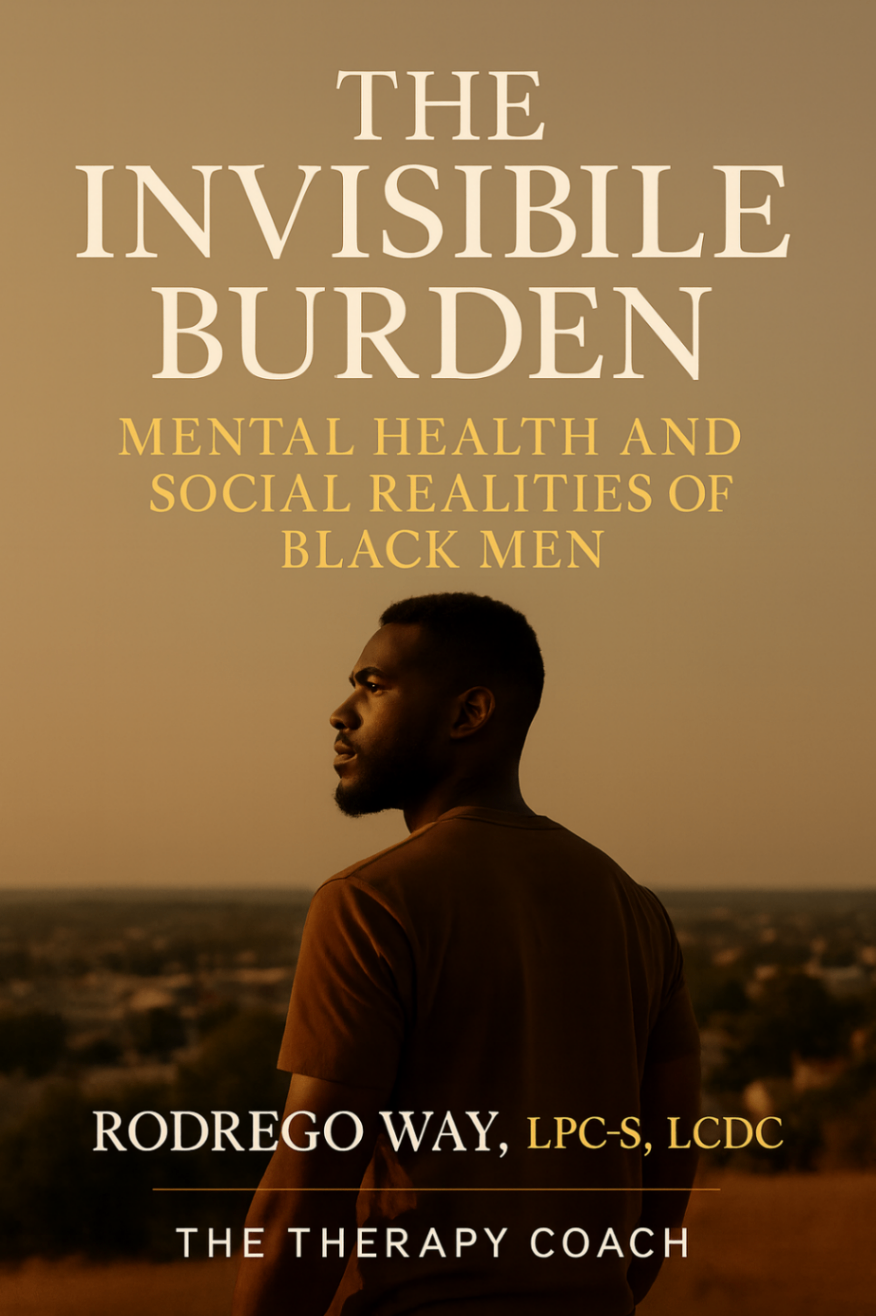
Rodrego Way, LPC-S, LCDC
Owner/Therapist, The Mind and Therapy Clinic