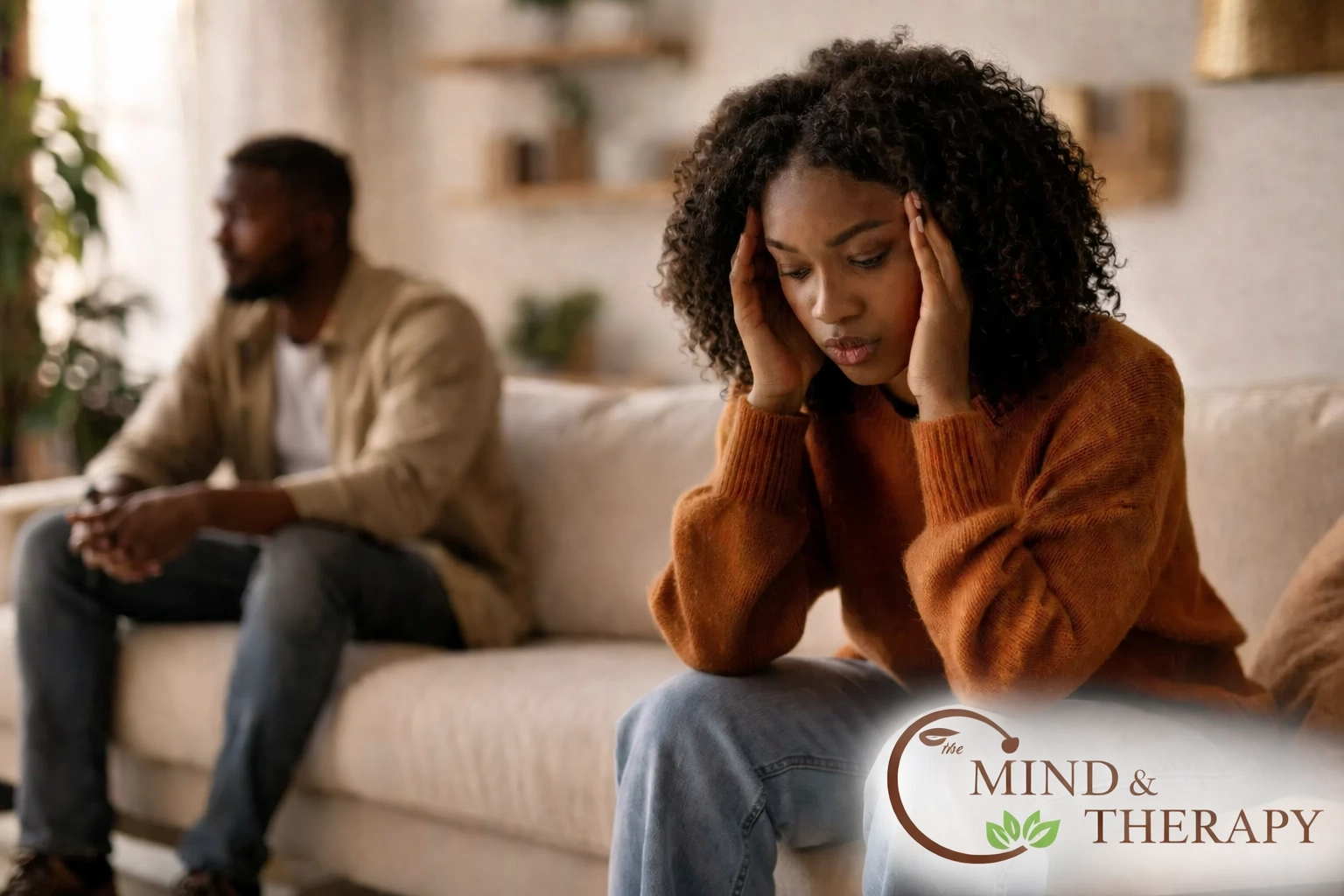
You found someone special. The connection feels real. Yet something keeps pulling you back, creating distance where closeness should grow. That something might not be your partner at all: it might be wounds you never knew you were carrying.
In Black relationships, where cultural resilience meets generational challenges, unhealed relationship wounds can operate like silent saboteurs. They work beneath the surface, filtering how you see your partner and undermining intimacy before you even realize what is happening.
Understanding these patterns is the first step toward building the love you deserve.
What Are Unhealed Relationship Wounds?
Unhealed relationship wounds are patterns of behavior, emotional responses, and self-protective mechanisms rooted in past experiences. These include painful breakups, childhood observations of unhealthy relationships, betrayal, abandonment, or even subtle but repeated emotional dismissals over time.
These wounds do not announce themselves. They operate quietly, influencing how you interpret your partner's words, actions, and intentions. Your partner might come home late from work, and suddenly you feel a wave of anxiety that has nothing to do with today: but everything to do with someone who hurt you years ago.
The challenge is that these responses feel completely justified in the moment. Your nervous system cannot distinguish between a past threat and a present trigger.

Why Black Relationships Face Unique Challenges
Black love carries a beautiful legacy of resilience, commitment, and strength. However, it also carries the weight of historical trauma, systemic pressures, and cultural expectations that can complicate the healing process.
Many Black men and women were raised in environments where vulnerability was not encouraged. Expressions like "what happens in this house stays in this house" or messages about being strong at all costs can make it difficult to acknowledge when something is wrong internally.
Additionally, navigating microaggressions, workplace stress, and societal pressures outside the home often leaves little emotional bandwidth for processing relational wounds. The result? Those wounds get buried rather than addressed: only to resurface in intimate relationships where the stakes feel highest.
Recognizing this context is essential. It does not excuse harmful behavior, but it does provide understanding that can guide the path toward healing.
Common Signs You May Be Carrying Unhealed Wounds
Awareness is the starting point. Here are key indicators that past relationship trauma may be affecting your current love:
Trust and Vulnerability Struggles
- Difficulty trusting your partner without concrete evidence of wrongdoing
- Constant guardedness, even in moments that should feel safe
- Fear of intimacy that causes you to pull away as the relationship deepens
- Suspicion of your partner's intentions, even when they have proven themselves trustworthy
Emotional Dysregulation
- Shutting down emotionally during conflict instead of communicating
- Overreacting to minor issues that logically should not cause distress
- Intense mood swings that leave both you and your partner confused
- Strong emotional reactions to situations that remind you of past hurt

Hypervigilance and Constant Alertness
Your nervous system may remain on "high alert," analyzing every word, tone, or gesture for potential danger. Small triggers: like an unreturned text or a change in your partner's mood: can activate intense responses that seem disproportionate to the situation.
This hypervigilance is exhausting. It creates tension even when no actual threat exists and prevents you from relaxing into the safety your partner may genuinely be offering.
Communication and Boundary Difficulties
- Struggling to express your needs clearly
- Bottling up emotions until they explode as resentment
- Being unable to tolerate any level of conflict
- People-pleasing or being overly agreeable to avoid rejection
- Craving constant external validation from your partner
Repeating Unhealthy Patterns
Perhaps most telling is the tendency to unconsciously attract partners who mirror past wounds. You may find yourself in relationships that feel familiar: not because they are healthy, but because they replicate unresolved dynamics you have not yet healed.
Alternatively, you might tolerate behaviors you know are unacceptable because somewhere inside, a part of you believes that is what you deserve.
Negative Self-Worth Narratives
Thoughts like "I am not lovable," "Everyone leaves eventually," or "I have to be perfect to be chosen" shape how you show up in relationships. These narratives determine whether you believe you deserve the love being offered to you.
How These Wounds Sabotage Your Current Relationship
The core issue is this: unhealed wounds become the filter through which you interpret everything in your relationship.
Your partner may say something completely innocent, but you experience it as criticism because a previous partner used similar words to tear you down. Your partner may need space, and you interpret it as abandonment because someone before them left without warning.
This creates a painful cycle:
- A trigger occurs (often minor)
- Your nervous system activates a protective response
- You react based on past pain rather than present reality
- Your partner feels confused, accused, or pushed away
- Distance grows between you
- The wound feels confirmed ("See, they are pulling away just like I knew they would")
The tragedy is that your protective mechanisms: designed to keep you safe: end up creating the very outcome you fear most.

Steps Toward Identifying and Healing Your Wounds
Healing is not about achieving perfection. It is about developing awareness and making different choices, one moment at a time.
1. Acknowledge the Wound Exists
This requires honesty with yourself. What past experiences still carry emotional weight? What patterns keep showing up in your relationships? Journaling, reflection, or simply sitting with uncomfortable feelings can help bring clarity.
2. Separate Past from Present
When you feel triggered, pause before reacting. Ask yourself: "Is this about what is happening right now, or is this an old wound being activated?" This simple question creates space between stimulus and response.
3. Communicate with Your Partner
Let your partner know what you are working through. Statements like "I am feeling triggered right now, and I need a moment" or "This reaction might be about something old, not something you did" build understanding and prevent unnecessary conflict.
4. Seek Professional Support
Some wounds run deep and benefit from professional guidance. Working with a therapist who understands the nuances of Black relationships and trauma can accelerate your healing journey significantly.
At The Mind and Therapy Clinic, we specialize in helping individuals and couples navigate these challenges with compassion and cultural understanding.
5. Practice Self-Compassion
Healing is not linear. There will be setbacks. Treating yourself with the same grace you would offer a close friend makes the journey sustainable.
Building Love That Lasts
Identifying unhealed wounds is not about assigning blame: to yourself or anyone from your past. It is about reclaiming your power to show up fully in your current relationship.
Black love deserves to flourish without the weight of unprocessed pain. Your partner deserves to be seen for who they are, not who came before them. And most importantly, you deserve a relationship where you feel safe, seen, and genuinely loved.
The silent saboteur only maintains power when it operates in darkness. Bringing these patterns into the light is how you begin to disarm them.
Ready to explore your relationship patterns with professional support? Contact The Mind and Therapy Clinic to schedule a consultation. Healing is possible, and you do not have to do it alone.
Tags: therapy, trauma, counseling