
When a relationship falls apart or becomes unstable, the pain is universal. But for Black men in today's society, that pain often runs deeper than the current moment. It connects to something older, something systemic, and something rarely discussed openly.
Romantic instability doesn't just create present-day heartache: it can activate wounds that stretch back generations. Understanding this connection is the first step toward meaningful healing and stronger, healthier relationships.
Understanding Historical Trauma
Historical trauma refers to the cumulative emotional and psychological wounding that spans across generations. For Black Americans, this trauma originates from slavery, Jim Crow laws, systemic racism, and ongoing discrimination. These experiences don't simply disappear with time. Instead, they become embedded in family dynamics, coping mechanisms, and relationship patterns.
The intergenerational effects of slavery and subsequent systemic oppression have profoundly shaped Black men's psychological resilience and readiness for intimate relationships. This isn't about weakness: it's about understanding the full picture of what many Black men carry into their romantic lives.
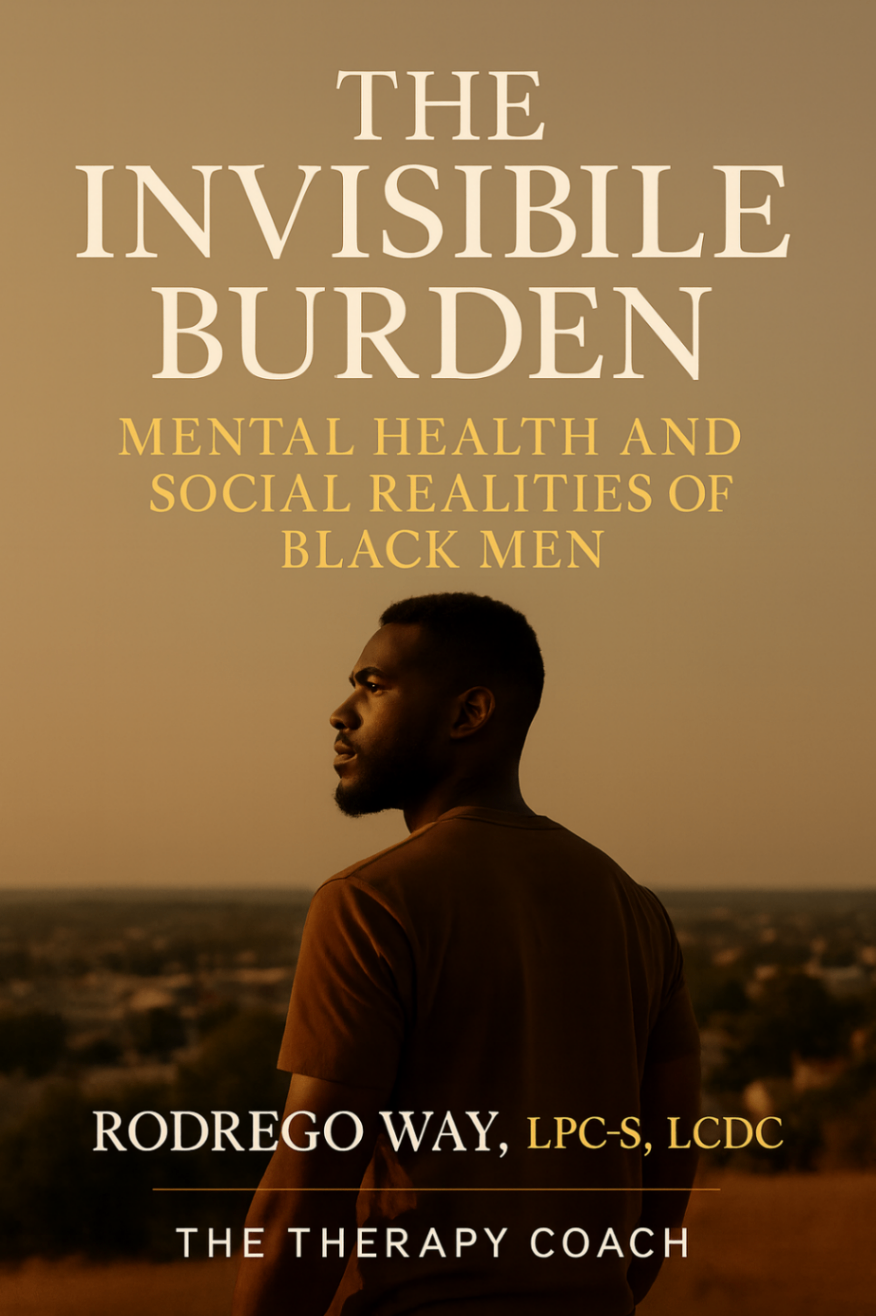
The Weight of Systemic Barriers
Before examining how romantic instability triggers trauma responses, it's important to acknowledge the systemic barriers that affect Black men's ability to form and maintain stable partnerships:
- Economic disparities create stress around provider roles and financial stability
- Mass incarceration disproportionately separates Black men from their families and partners
- Employment discrimination affects self-worth and relationship dynamics
- Healthcare inequities limit access to mental health support
- Housing discrimination creates instability that ripples into relationships
These aren't excuses: they're realities. When romantic relationships exist within this context, any instability carries additional weight. The relationship isn't struggling in a vacuum. It's struggling within a system that has historically worked against Black families staying together.
How Romantic Instability Activates Historical Trauma
When a romantic relationship becomes unstable, it can trigger trauma responses that seem disproportionate to the current situation. Here's why this happens:
Pattern Recognition
The mind recognizes patterns, even unconsciously. When a relationship begins to fail, it can echo the historical pattern of family separation that Black families have experienced since slavery. The forced separation of enslaved families, the disruption caused by mass incarceration, and the economic pressures that have historically destabilized Black households: all of these create a template that modern relationship struggles can activate.
Provider Role Pressure
Black men often face intense pressure around the provider role. This pressure stems from both general societal expectations and the specific history of Black men being denied economic opportunities. When relationship instability threatens a man's sense of being a good provider or partner, it activates trauma related to systemic exclusion from economic stability.
Emotional Disconnection
Many Black men develop emotional disconnection as a survival mechanism: a way to navigate racialized trauma and societal pressures. When romantic relationships become unstable, this disconnection often intensifies. The result is a cycle where trauma makes emotional vulnerability difficult, and that difficulty creates more relationship instability.

The Amplification Effect
One of the most important concepts to understand is the amplification effect. Romantic instability doesn't occur in isolation for Black men. It intersects with ongoing experiences of racism and discrimination, creating a compounding effect.
Consider this scenario: A Black man experiences a difficult week at work where he faces microaggressions from colleagues. He comes home stressed and withdrawn. His partner, not fully understanding the weight he carries, feels neglected and pulls away. The relationship tension increases. Now he's dealing with both workplace discrimination and relationship strain: each making the other harder to process.
This amplification means that relationship stress can reactivate trauma responses related to both historical and contemporary racial oppression. The relationship difficulty becomes a trigger for something much larger than the immediate conflict.
Recognizing the Signs
Understanding when historical trauma is being activated in relationship contexts can help Black men (and their partners) respond more effectively. Signs to watch for include:
- Disproportionate emotional responses to relatively minor relationship conflicts
- Feelings of abandonment that seem larger than the current situation warrants
- Withdrawal and emotional shutdown during relationship stress
- Difficulty trusting even when a partner has proven trustworthy
- Hypervigilance about relationship stability
- Connecting current relationship struggles to larger themes of worthlessness or exclusion
These responses make sense when viewed through the lens of historical trauma. Recognizing them isn't about making excuses: it's about gaining insight that leads to better choices.

Pathways Toward Healing
Healing is possible. Here are concrete steps that can help Black men address the intersection of romantic instability and historical trauma:
1. Acknowledge the Connection
Simply recognizing that current relationship struggles may be connected to historical trauma is powerful. This awareness creates space between the trigger and the response, allowing for more intentional choices.
2. Seek Culturally Competent Support
Working with a therapist who understands the specific experiences and historical context of Black men makes a significant difference. At The Mind and Therapy Clinic, we provide therapy that addresses these intersections directly.
3. Build Emotional Vocabulary
Many Black men were never taught to identify and express emotions effectively. Building this skill set improves communication in relationships and reduces the likelihood of emotional disconnection during stress.
4. Create Safety for Vulnerability
Both partners need to work together to create an environment where vulnerability is safe. This means responding to emotional openness with acceptance rather than criticism.
5. Address Systemic Stressors
While individual healing is essential, so is addressing the systemic stressors that create relationship strain. This might mean financial planning, career development, or building community support systems.
6. Practice Intergenerational Awareness
Understanding your family's history: including how trauma may have been passed down: provides context for current struggles and can prevent passing the same patterns to the next generation.
Moving Forward Together
Romantic relationships have the potential to be sources of profound healing. When Black men and their partners understand the historical trauma that can be activated by relationship instability, they gain tools for navigating difficulties more effectively.
This isn't about dwelling on the past or using history as an excuse for present behavior. It's about understanding the full picture so that healing can be complete and relationships can thrive.
The wounds are real. The history is real. And the possibility of healing is also real.
Take the Next Step
If you recognize yourself or someone you care about in this article, support is available. Understanding the connection between romantic instability and historical trauma is the first step: working through it with professional guidance can transform your relationships and your life.
Contact us to schedule a consultation and explore how therapy can help you build stronger, healthier relationships.
Posted by: Rodrego Way, LPC-S, LCDC | Owner/Therapist at The Mind and Therapy Clinic
Have questions or thoughts to share? Leave a comment below or reach out through our contact page.