
Betrayal cuts deep. When trust is broken in a relationship, the wound doesn't simply heal with time: it requires intentional work, honest reflection, and a willingness to be vulnerable again. For Black men navigating relationships in today's society, betrayal trauma carries unique weight. The intersection of personal pain, cultural expectations, and systemic pressures creates a complex landscape that demands specific attention and understanding.
This post explores how betrayal trauma impacts Black men's mental health, the root causes behind these struggles, and practical strategies for rebuilding trust and transparency in relationships.
Understanding Betrayal Trauma
Betrayal trauma occurs when someone you depend on for support or safety violates your trust in a significant way. This could be infidelity, dishonesty, emotional manipulation, or abandonment. The impact goes beyond simple disappointment: it fundamentally shakes your sense of security and your ability to feel safe with others.
For Black men, betrayal trauma often compounds existing stressors. The daily navigation of systemic racism, workplace discrimination, and societal expectations already requires significant emotional labor. When betrayal enters an intimate relationship, it can feel like the one space that should offer refuge has also become unsafe.
Research shows that unresolved betrayal trauma can manifest as:
- Difficulty trusting future partners
- Emotional withdrawal or detachment
- Hypervigilance in relationships
- Self-protective behaviors that push others away
- Increased anxiety and depression symptoms
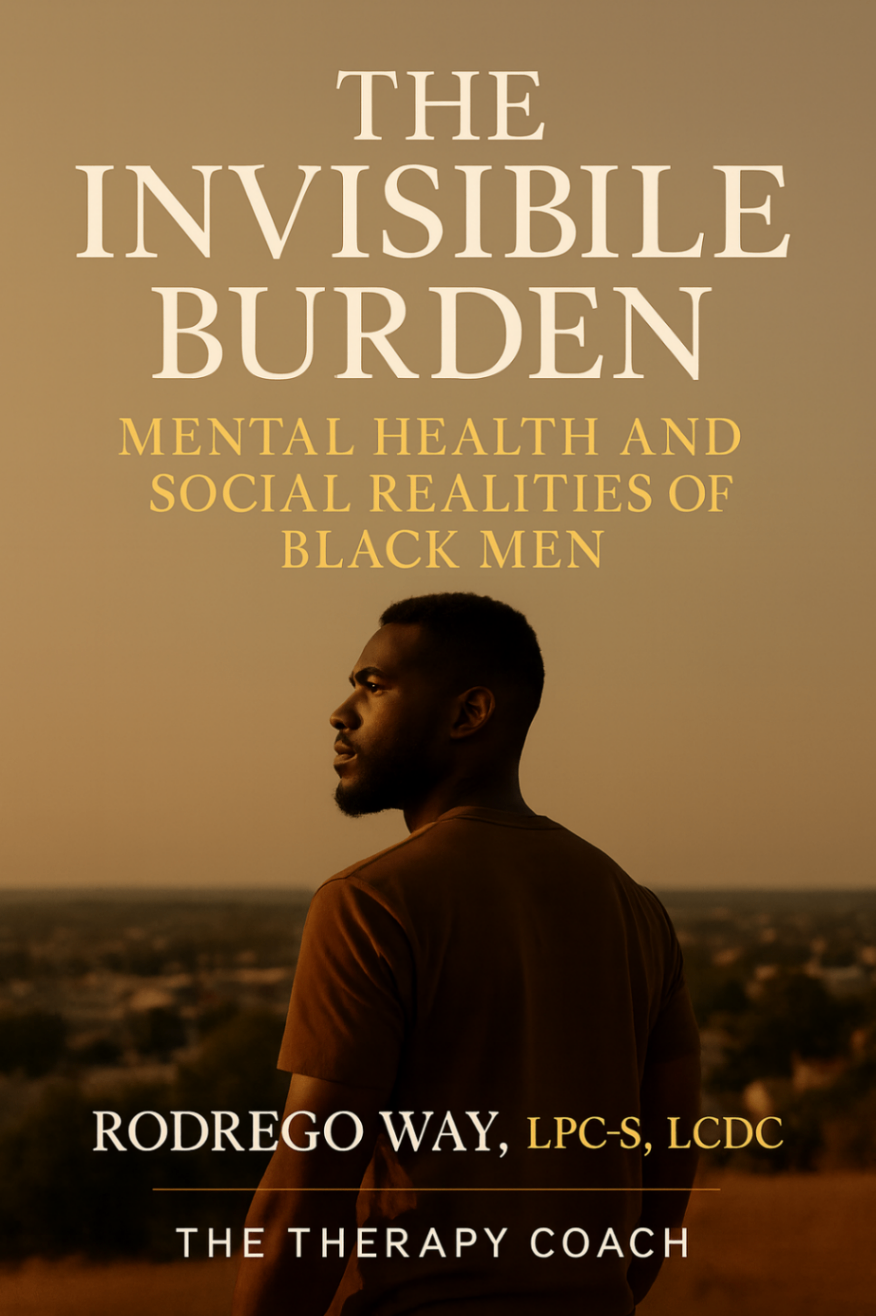
The Root Causes: Why Betrayal Hits Different
Understanding the root causes of betrayal trauma helps create a pathway toward healing. For many Black men, current relationship struggles connect to deeper, often unexamined wounds.
Unresolved Childhood Trauma
Early experiences of abandonment, neglect, or betrayal create templates for how we approach relationships as adults. When a young boy learns that the people closest to him can hurt him or leave, he develops protective mechanisms. These mechanisms: while helpful for survival in childhood: often become barriers to intimacy in adulthood.
The fear that opening up will lead to more pain keeps many men guarded. This guardedness, while understandable, prevents the vulnerability necessary for deep connection.
Wounds of Inadequacy
Systemic racism and discrimination create persistent wounds of inadequacy that many Black men carry silently. The constant messaging: both subtle and overt: that questions your worth, competence, and belonging takes a toll. These wounds can manifest in relationships as self-sabotage or behaviors that push partners away before they have a chance to leave on their own.
Dr. Alduan Tartt emphasizes that healing "requires a greater level of healing, not just for women, but for the Black man" when addressing these deep-seated wounds.
Cultural Resistance to Help-Seeking
There remains significant cultural resistance to seeking mental health support in many Black communities. Therapy is sometimes perceived as a sign of weakness or something "other people" need. This resistance means that betrayal trauma: and the behaviors it generates: often goes unaddressed for years or even decades.

Breaking the Silence: The First Step
Healing cannot begin until the silence is broken. This truth applies to both the person who has experienced betrayal and the person who may have caused it.
Breaking silence means:
- Acknowledging the pain exists. Minimizing or dismissing hurt feelings keeps the wound festering beneath the surface.
- Telling the truth about what happened. This includes being honest about your own emotional and psychological experiences, not just the facts of the situation.
- Confronting the pain that caused destructive patterns. Often, the person who betrays is also operating from a place of unresolved pain.
As mental health professionals, we recognize that this step is often the most difficult. Years of conditioning to "be strong," "handle your business," and "keep personal matters private" work against this kind of openness. Yet without it, the cycle continues.
Rebuilding Trust: A Practical Framework
Rebuilding trust after betrayal is possible, but it requires commitment from both partners. The concept of mutual restoration emphasizes that both individuals must take responsibility for their healing and growth: not just the person who caused the betrayal.
Open and Honest Communication
Transparency must become a daily practice, not a one-time conversation. This includes:
- Sharing feelings, even when uncomfortable
- Asking clarifying questions instead of making assumptions
- Providing information proactively rather than waiting to be asked
- Creating regular check-ins to discuss the state of the relationship
Emotional Vulnerability
For many Black men, vulnerability feels dangerous. It contradicts messages received throughout life about what it means to be a man. However, emotional vulnerability is not weakness: it is the foundation of genuine intimacy.
Practicing vulnerability might look like:
- Expressing fear or uncertainty to your partner
- Admitting when you don't have the answers
- Asking for support instead of handling everything alone
- Sharing the impact of daily stressors on your mental state

Culturally Sensitive Professional Support
Research indicates that up to 65% of BIPOC couples who engage in culturally sensitive counseling report significant improvements in trust and relationship satisfaction. Working with a therapist who understands the specific pressures Black men face: and who can address both individual and relational healing: makes a meaningful difference.
At The Mind and Therapy Clinic, we specialize in providing this kind of support. Our approach recognizes that healing relationship trauma requires addressing the whole person, including the systemic stressors that strain relationships.
Addressing External Pressures
Relationships do not exist in a vacuum. The impact of racism, marginalization, and economic stress on Black men's mental health directly affects their intimate relationships. Acknowledging these external pressures: and developing strategies to cope with them as a couple: strengthens the foundation for sustained trust.
This might include:
- Discussing how workplace discrimination affects mood and energy at home
- Creating boundaries around stressful topics or triggering media
- Building a support network outside the relationship
- Practicing stress management techniques together
The Path Forward
Overcoming betrayal trauma is not a linear process. There will be setbacks, difficult conversations, and moments of doubt. What matters is the commitment to keep moving forward, even when progress feels slow.
For Black men specifically, this journey requires challenging some deeply ingrained beliefs about masculinity, strength, and self-reliance. It requires accepting that seeking help is not failure: it is wisdom. It requires recognizing that vulnerability in relationships is not a liability but an asset.
The men who do this work: who confront their pain, break their silence, and commit to transparency: create more resilient partnerships. They also model healthy relationship behaviors for the next generation, breaking cycles that may have persisted for decades.
Taking the Next Step
If you recognize yourself in this post, know that support is available. Whether you're processing a recent betrayal or patterns that have repeated throughout your relationships, professional guidance can accelerate your healing journey.
Consider reaching out to The Mind and Therapy Clinic to explore how therapy might support your specific situation. We offer a judgment-free space where Black men can address relationship challenges, process trauma, and develop skills for healthier connections.
Have questions or want to share your thoughts? Leave a comment below or subscribe to our newsletter for more content on mental health and relationship wellness.
Posted in: Mental Health, Stress Management
Rodrego Way, LPC-S, LCDC
Owner/Therapist, The Mind and Therapy Clinic