
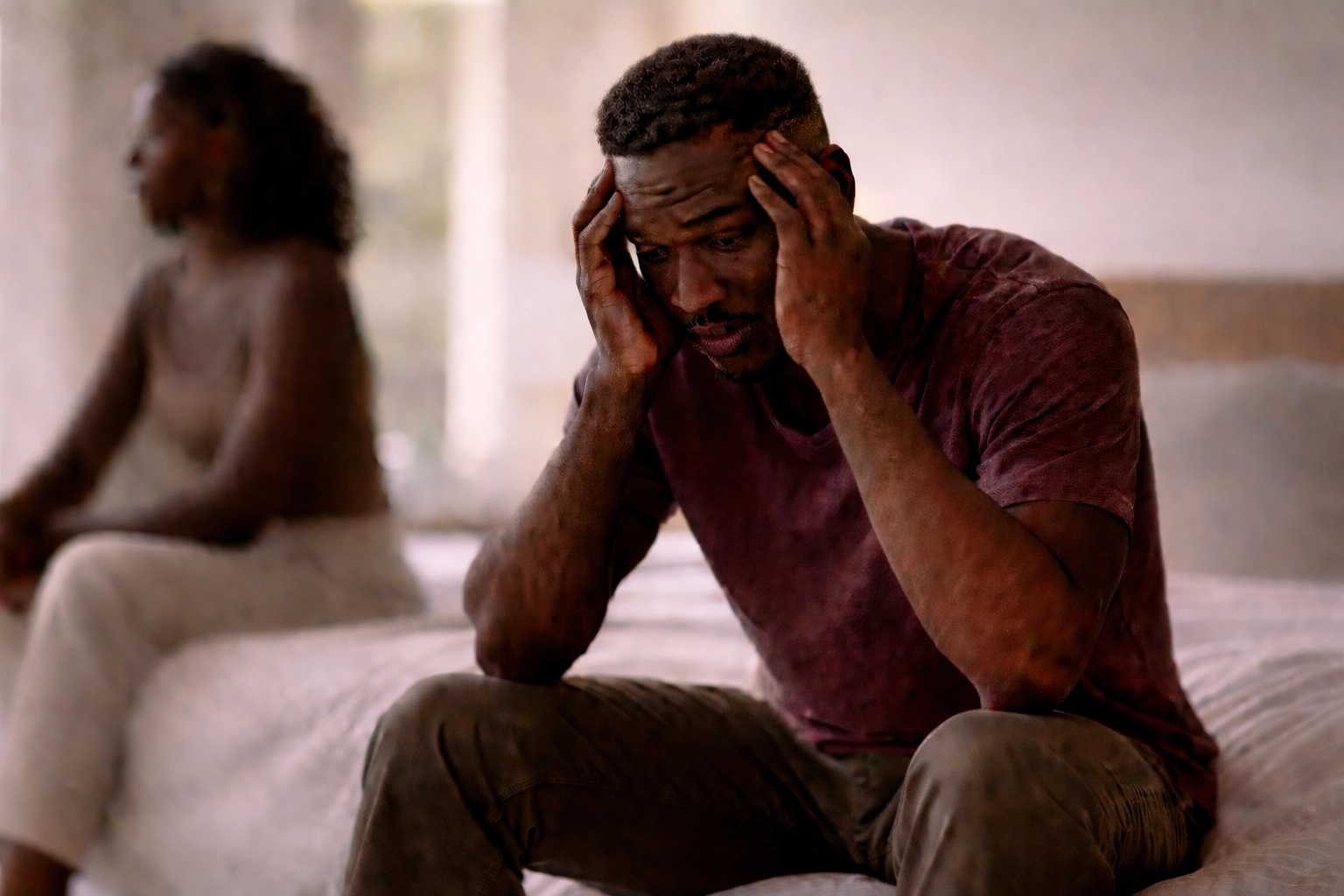
The Instagram post shows a smiling couple at brunch. The caption reads: "My king treats me right. #BlackLove #RelationshipGoals." Hundreds of likes and comments flood in. But behind the screen, he's exhausted. The pressure to maintain that image: while quietly drowning in private pain: is taking a toll that nobody sees.
For many Black men in today's society, the expectation to present a "perfect" relationship publicly while managing internal struggles creates a significant mental health burden. This disconnect between social performance and private reality deserves serious attention.
The Pressure of Performing "Relationship Goals"
Social media has fundamentally changed how we view relationships. Platforms like Instagram, TikTok, and Facebook create spaces where couples showcase their best moments. For Black men, this creates an added layer of pressure.
The "#BlackLove" movement, while empowering in many ways, can unintentionally create unrealistic standards. When every post shows luxury vacations, elaborate date nights, and flawless partnership moments, it sets a bar that few can realistically meet.
Consider the expectations at play:
- Being the protector and provider at all times
- Appearing emotionally stable and unshakeable
- Demonstrating financial success through visible gifts and experiences
- Never showing vulnerability or struggle
- Maintaining physical fitness and presentation standards
These expectations compound daily. The mental energy required to maintain this image: while potentially struggling with depression, anxiety, or relationship difficulties: creates what researchers call cognitive dissonance. The gap between who you appear to be and who you actually feel like becomes exhausting.

The Hidden Cost: When External Success Meets Internal Pain
Research reveals a troubling paradox specifically affecting Black men. A longitudinal study found that men with strong relationship functioning but lower neighborhood quality reported significantly more emotional distress over a decade: despite having successful intimate partnerships.
This finding challenges conventional wisdom. Strong relationships should protect mental health, right? Not always.
The explanation lies in internalized expectations. Black men often carry deep-seated pressure to provide for and protect their families. When external circumstances: economic barriers, systemic obstacles, or community challenges: prevent them from fulfilling these self-imposed expectations, psychological distress emerges. The relationship itself might be healthy, but the inability to provide the security they believe they should creates silent suffering.
This dynamic plays out across several areas:
Financial Provision
The expectation to be the primary earner or to provide luxury experiences shown on social media creates pressure. When reality doesn't match the curated images, shame and inadequacy follow.
Physical Safety
Black men contend with pressure to appear fearless and tough while managing racialized community stressors and negative interactions with law enforcement. Protecting a partner from these realities while appearing unbothered takes significant emotional labor.
Emotional Availability
Society tells Black men to be stoic. Relationships require vulnerability. Navigating this contradiction: especially publicly: creates internal conflict.
The Loneliness Within Connection
Here's something that might surprise you: being in a relationship doesn't prevent loneliness. Research indicates that young Black men in individualistic cultures like America face heightened vulnerability to intense and prolonged loneliness, even while in partnerships.
This type of loneliness stems from emotional isolation rather than physical isolation. When you can't share your authentic struggles: when you must maintain the "perfect" image for social media, family gatherings, and even your partner: you become alone in a crowded room.
The unspoken rule many Black men learn early is simple: handle your business quietly. Don't burden others. Appear strong. This conditioning makes it difficult to access the emotional support that healthy relationships should provide.
When Private Pain Becomes Relationship Damage
Internal struggles rarely stay internal. Research shows that Black men's perceptions of neighborhood distress correlate with hostile behaviors in marriage, creating poorer mental health outcomes for both partners.
This creates a damaging cycle:
- External stressors (work, finances, systemic barriers) cause internal distress
- The pressure to maintain a "perfect" public image prevents healthy processing
- Unaddressed emotions leak out as irritability, withdrawal, or conflict
- Relationship quality decreases
- The gap between social media appearance and reality grows wider
- More energy goes into maintaining the facade
- Less energy remains for genuine connection
The very relationship meant to provide support becomes another source of stress. Partners sense the distance but may not understand its source. The Instagram posts continue, but authentic intimacy fades.

Historical Context Matters
Understanding this issue requires acknowledging historical trauma. The expectations Black men carry about masculinity, provision, and protection don't exist in a vacuum. They're shaped by generations of systemic betrayal, economic exclusion, and stereotypes around criminality.
These historical wounds often remain unaddressed, complicating men's ability to be emotionally available even in nominally healthy partnerships. The pressure to be "twice as good" extends into relationships, creating perfectionism that serves no one.
Breaking the Cycle: Steps Toward Authentic Connection
Addressing this mental health burden requires intentional action. Here are practical steps:
Redefine Success Privately
Before posting, ask yourself: "What does a successful relationship actually look like for us?" Create internal metrics that don't depend on external validation. Genuine partnership often looks boring on social media: and that's perfectly fine.
Create Space for Honest Conversation
Your partner cannot support what they don't know about. Find safe moments to share genuine struggles. This doesn't mean constant venting, but allowing vulnerability when needed.
Limit Social Media Comparison
Consider unfollowing accounts that trigger inadequacy feelings. Remember that you're comparing your behind-the-scenes footage to everyone else's highlight reel.
Address Past Wounds
Unresolved trauma affects current relationships. Working through historical pain: whether personal or generational: creates space for healthier connection.
Seek Culturally Competent Support
Therapy isn't weakness. Working with a professional who understands the specific pressures Black males face can provide tools for managing the gap between social expectations and private reality.
Moving Forward
The mental health cost of maintaining "perfect" relationships for Black men is real and measurable. The pressure to perform for social media while managing private pain creates exhaustion that affects every area of life.
Healing begins with honesty: first with yourself, then with your partner, and potentially with a counseling professional. You deserve relationships that nourish you, not performances that drain you.
The most empowering thing you can do is prioritize your authentic mental health over any curated image. Real #BlackLove includes space for struggle, growth, and imperfection.
Ready to explore these issues further? The Mind and Therapy Clinic offers culturally competent mental health services designed to address the unique challenges Black men face. Visit mindandtherapyclinic.com to learn more about our approach.
Posted in: Mental Health, Relationships
Tags: Black Males, Depression, Trauma, Therapy, Counseling
Rodrego Way, LPC-S, LCDC
Owner/Therapist
The Mind and Therapy Clinic