If you've been paying attention to the mental health conversation in 2026, you've probably noticed a growing debate: Should trauma recovery happen in community settings or through one-on-one therapy sessions? It's a question that neighborhoods across the country are wrestling with right now, and honestly, the answer isn't as simple as picking one over the other.
At The Mind and Therapy Clinic, we've seen firsthand how both approaches can transform lives. But we've also seen what happens when people rely too heavily on just one method. So let's break this down and figure out what actually works for you and your community.
Understanding the Two Approaches
Before we dive into what works better, let's get clear on what we're actually comparing.
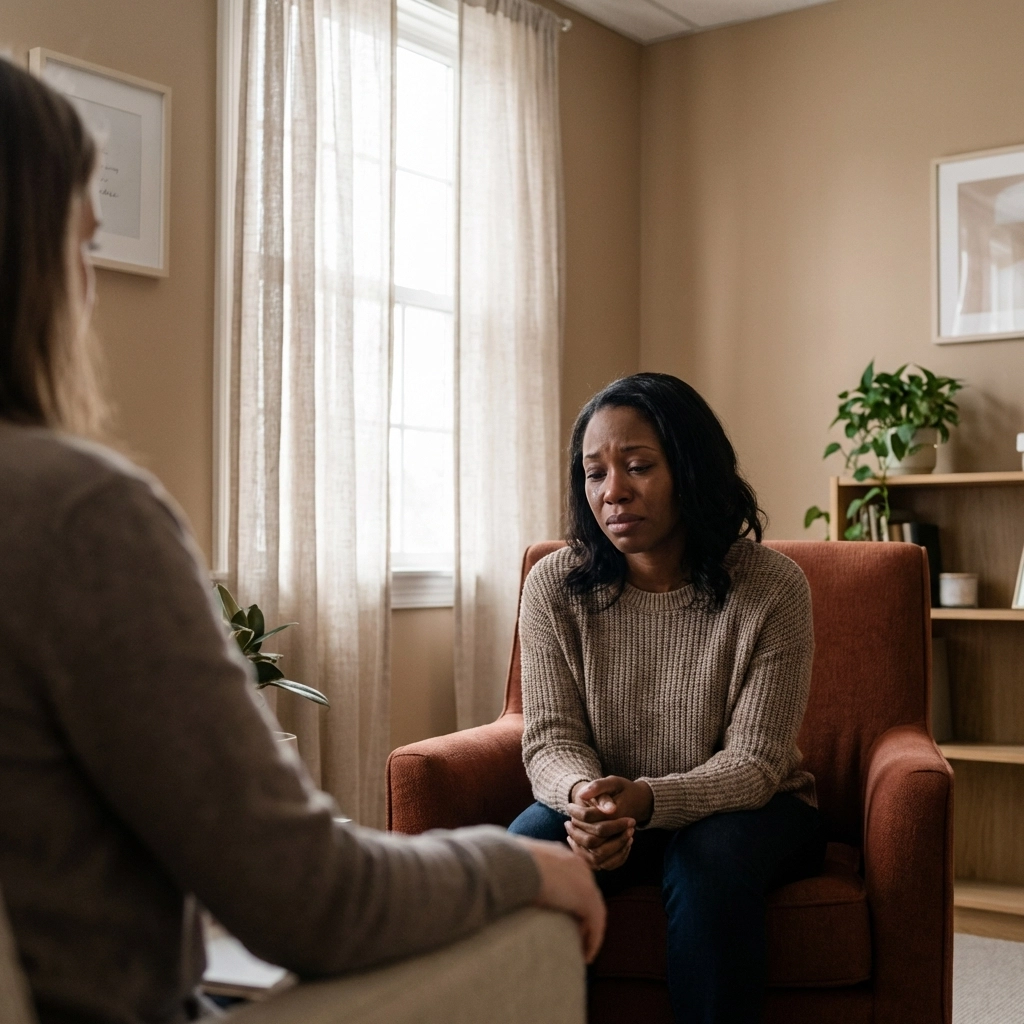
Individual therapy sessions are what most people picture when they think of mental health treatment. You sit down with a licensed therapist, talk through your experiences, and work on healing in a private, confidential setting. It's personalized, focused, and allows for deep exploration of your specific trauma history.
Community-based trauma recovery takes a different approach. This includes support groups, neighborhood healing circles, group therapy programs, and community mental health initiatives. The focus here is on shared experiences, collective healing, and building support networks within your community.
Both have their place. But which one actually delivers results?
What the Research Tells Us in 2026
Here's where things get interesting. The evidence consistently shows that social support is the factor most strongly connected to trauma recovery. Studies have found that strong social connections are associated with reduced depressive, anxiety, and PTSD symptoms.
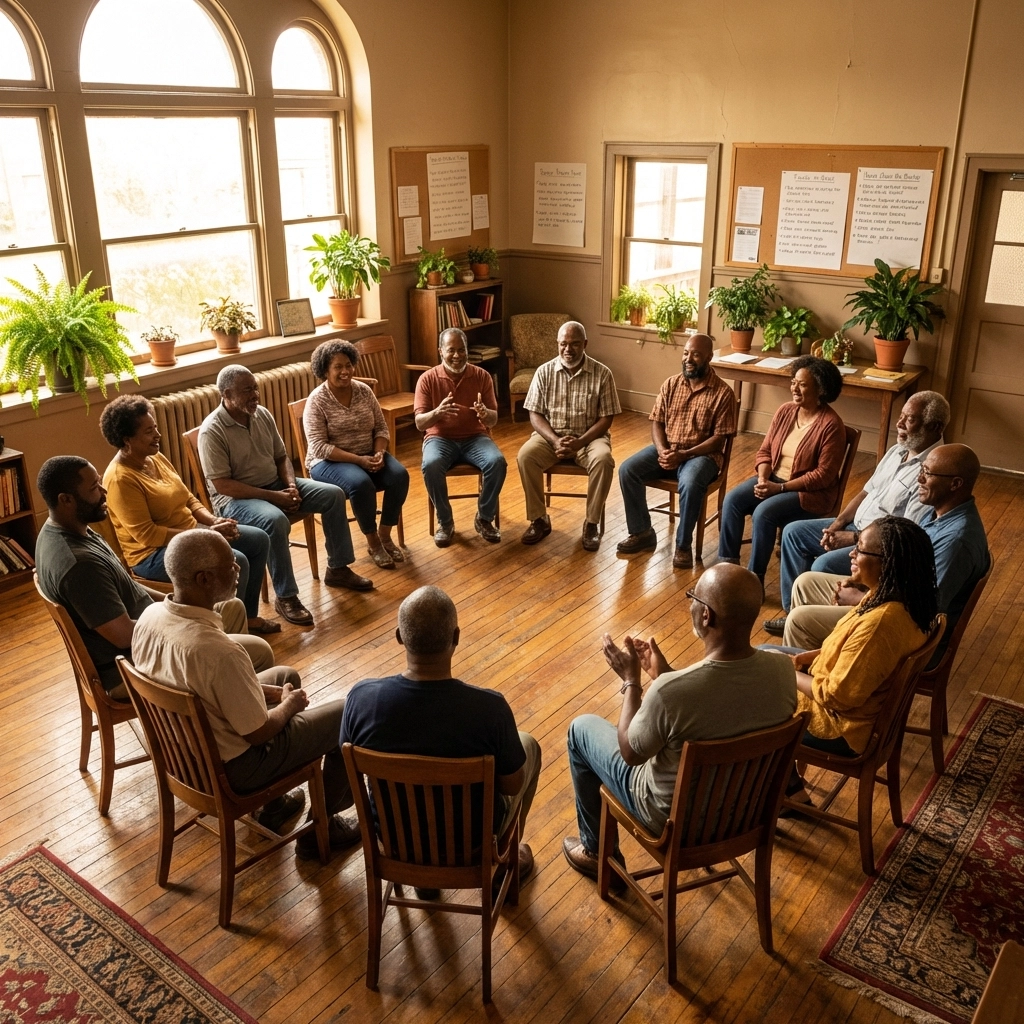
Programs like the Trauma Recovery and Empowerment Model (TREM), which uses group interventions, have demonstrated that participants experience greater reductions in alcohol and drug abuse severity, anxiety symptoms, and stressful life events. Real-world data from Trauma Recovery Centers has shown that 70% of survivors experienced reduced PTSD symptoms and 65% experienced reduced depression symptoms after receiving community-based services.
These numbers are significant. But here's the catch: they don't tell the whole story.
The Case for Community-Based Recovery
Community-based approaches offer something that individual sessions simply cannot replicate: the power of shared experience.
When you're healing alongside others who understand what you've been through, something shifts. The isolation that trauma creates begins to dissolve. You realize you're not alone, and that realization itself is therapeutic.
Benefits of Community-Based Approaches:
- Reduced stigma: Seeing others openly work on their mental health normalizes the process
- Built-in accountability: Regular group meetings create structure and commitment
- Peer support: Members can offer practical advice from lived experience
- Cost-effective: Group settings often cost less than individual sessions
- Cultural connection: Community programs can be tailored to specific cultural needs and traditions
- Long-term support networks: Relationships formed in recovery groups often last beyond the program
For neighborhoods dealing with collective trauma: whether from violence, economic hardship, or systemic oppression: community-based approaches address the shared nature of the wound.
The Case for Individual Sessions
Now, let's talk about what individual therapy brings to the table.
Some trauma is deeply personal. Childhood abuse, sexual assault, domestic violence: these experiences often require the safety and privacy that only a one-on-one therapeutic relationship can provide. Not everyone is ready to share their story in a group setting, and that's completely valid.
Benefits of Individual Sessions:
- Personalized treatment: Your therapist can tailor interventions specifically to your needs
- Confidentiality: Complete privacy to discuss sensitive topics
- Deeper exploration: More time to unpack complex trauma histories
- Flexible pacing: You move at your own speed without group dynamics influencing progress
- Specialized techniques: Access to specific therapeutic modalities like EMDR or trauma-focused CBT
- Professional assessment: Trained clinicians can identify co-occurring conditions
For individuals with complex PTSD, severe dissociation, or trauma that requires specialized clinical intervention, individual sessions often provide the foundation needed before community involvement becomes beneficial.
The Truth: Integration Works Best
Here's what the research really points to: recovery should not be accomplished alone, but it also shouldn't happen without professional guidance.
Studies have found that sites providing significantly more integrated counseling: combining individual support with group and community elements: produced more favorable results in mental health symptoms and substance use severity. Service integration, or combining multiple services into one coordinated approach, has been identified as a means of providing more holistic trauma-informed care.
In other words, the debate between community-based recovery and individual sessions creates a false choice. The most effective healing happens when both work together.
What This Means for Your Neighborhood in 2026
So what does integrated trauma recovery actually look like for communities right now?
A Practical Model:
-
Individual assessment and stabilization: Start with a licensed therapist who can evaluate your specific needs and help you build basic coping skills
-
Gradual community integration: Once you've established some stability, begin participating in support groups or community healing programs
-
Ongoing professional support: Continue individual sessions as needed while engaging with community resources
-
Peer leadership development: As you progress, consider becoming a support for others in your community
This approach respects that healing is both deeply personal and inherently social. We need private spaces to process our pain, and we need community to remind us that we belong.
Choosing What's Right for You
Not everyone will need the same balance of individual and community support. Here are some questions to help you figure out your starting point:
Consider starting with individual sessions if:
- Your trauma involves experiences you're not ready to share publicly
- You have symptoms that significantly impair daily functioning
- You've never been in therapy before and want to build trust with one person first
- You need specialized treatment for conditions like complex PTSD
Consider starting with community-based approaches if:
- You feel isolated and disconnected from others
- Your trauma is shared by others in your community
- You've done individual work and are ready to expand your support network
- Cost is a significant barrier to accessing care
Consider both simultaneously if:
- You have stable mental health but want comprehensive support
- You're ready to do deep work while building community connections
- Your therapist recommends a combined approach
Moving Forward Together
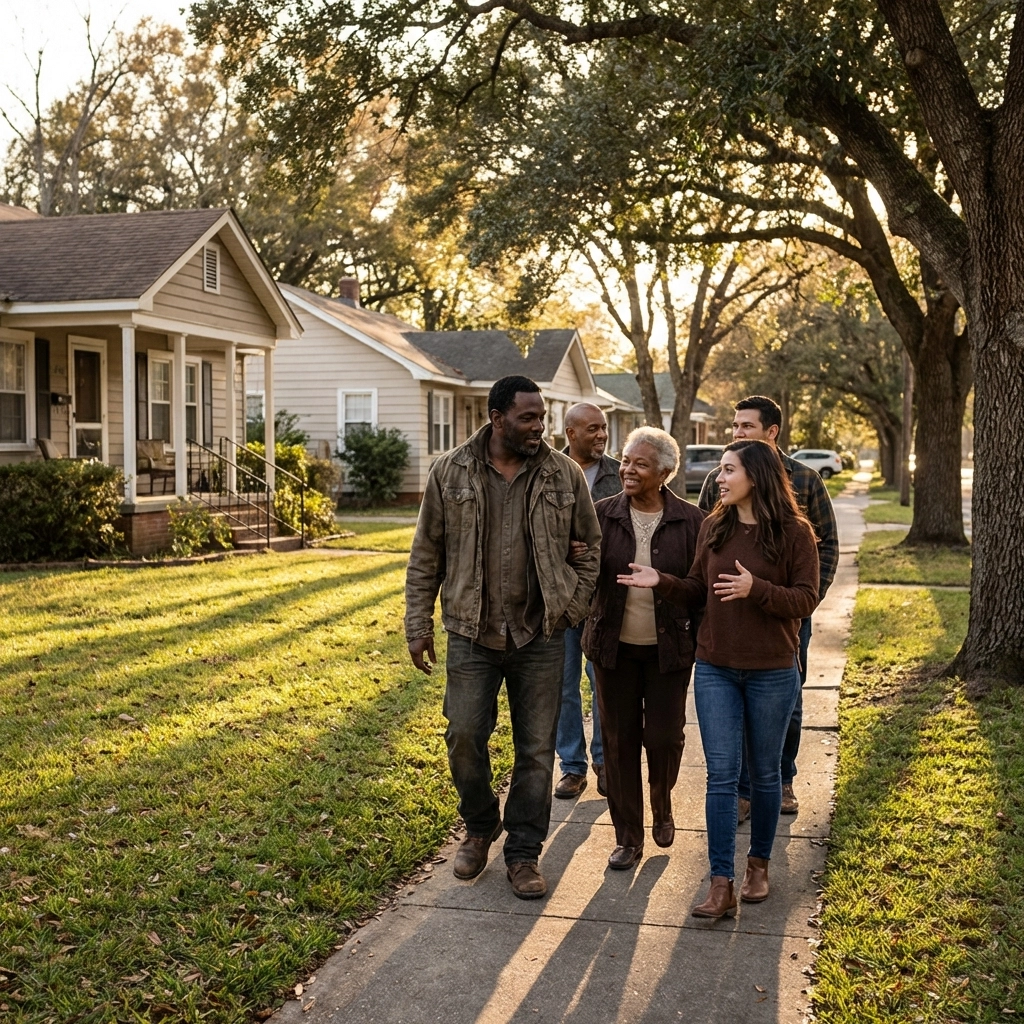
The mental health landscape in 2026 is shifting. More neighborhoods are recognizing that trauma doesn't just live in individuals: it lives in communities. And healing needs to happen at both levels.
At The Mind and Therapy Clinic, we believe in meeting you where you are. Whether that means starting with individual sessions to build your foundation, connecting you with community resources, or helping you develop a plan that includes both, we're here to support your journey.
The question isn't really "community-based or individual therapy?" The better question is: "What combination of support will help me heal and help my community thrive?"
Ready to explore what trauma recovery approach works best for you? Visit our services page to learn more about individual therapy options, or contact us to discuss how we can support your healing journey. Have questions? Check out our FAQ page for more information.
Posted in: Mental Health, Trauma Recovery, Community Wellness
Tags: trauma recovery, community mental health, individual therapy, PTSD treatment, neighborhood healing, 2026 mental health trends