The landscape of trauma recovery is shifting rapidly, and 2026 marks a pivotal year for BIPOC families seeking healing that honors both individual needs and collective strength. As we move beyond traditional one-size-fits-all approaches, community-centered strategies are emerging that recognize the unique ways trauma impacts Black, Indigenous, and People of Color communities.
At The Mind and Therapy Clinic, we've witnessed firsthand how conventional therapy models often fall short for families carrying the weight of historical, systemic, and intergenerational trauma. The healing strategies gaining momentum in 2026 represent a fundamental shift toward approaches that harness the power of community while addressing the specific cultural and social realities BIPOC families face.
The Evolution of Trauma-Informed Care for BIPOC Communities
Traditional trauma therapy has historically focused on individual symptoms without accounting for the broader context of systemic oppression and cultural resilience. The next generation of trauma recovery acknowledges that healing happens not just in therapy rooms, but within the fabric of communities themselves.
Current research shows that somatic interventions: therapies that engage the body's natural healing processes: are particularly effective for racial trauma. This makes sense when we consider that trauma literally lives in our bodies, affecting our nervous systems, breathing patterns, and stress responses. You can't simply think your way out of trauma that's stored in your cells.
The 2026 approach integrates these body-based healing modalities with community support structures that have always existed in BIPOC cultures. Think traditional storytelling circles, communal cooking, music, movement, and spiritual practices that naturally regulate the nervous system and build connection.
Five Community Healing Strategies Transforming BIPOC Family Recovery
1. Neighborhood Healing Circles
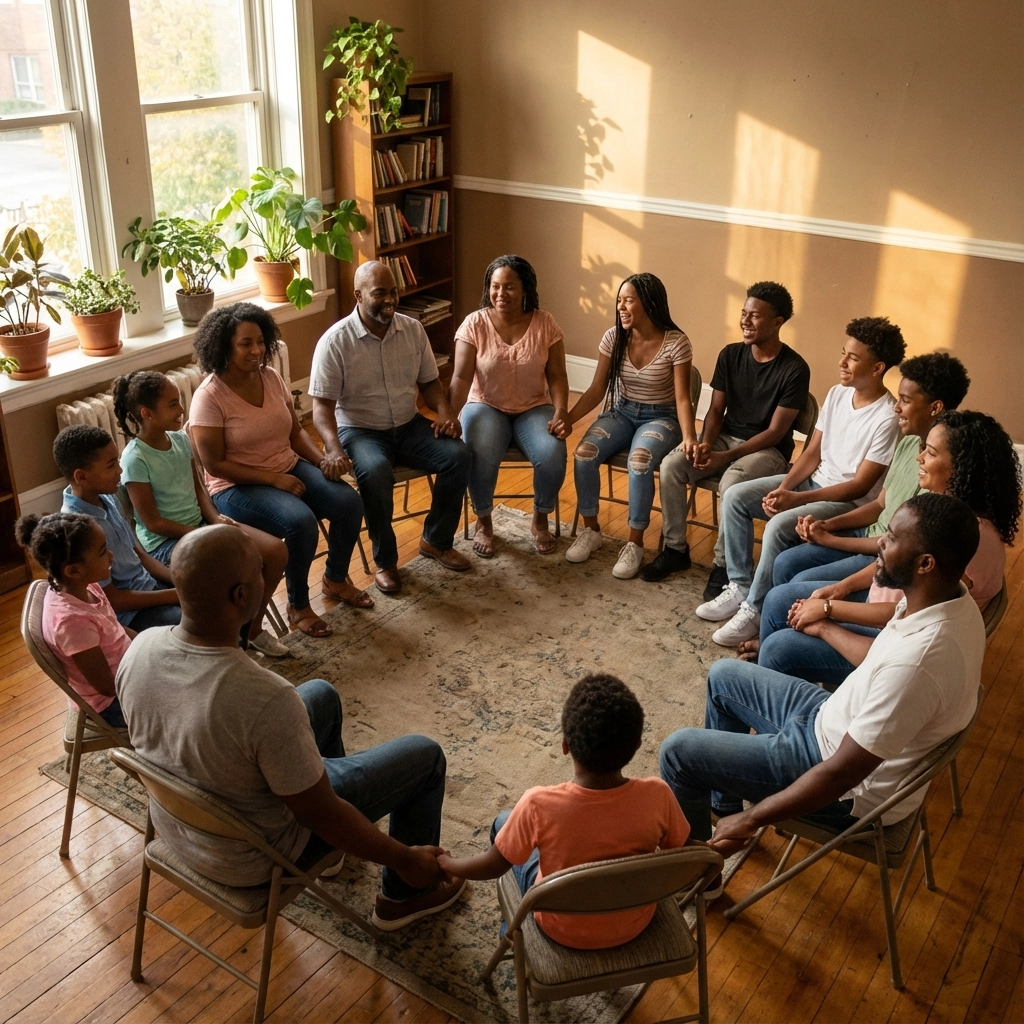
Instead of waiting for families to seek individual therapy, forward-thinking communities are establishing regular healing circles in familiar spaces: churches, community centers, even family homes. These circles combine elements of group therapy with cultural practices like shared meals, music, and storytelling.
The power lies in normalization. When healing becomes a community activity rather than a medical intervention, families feel less stigma and more support. Children see adults processing emotions in healthy ways, breaking cycles before they form.
2. Intergenerational Trauma Mapping
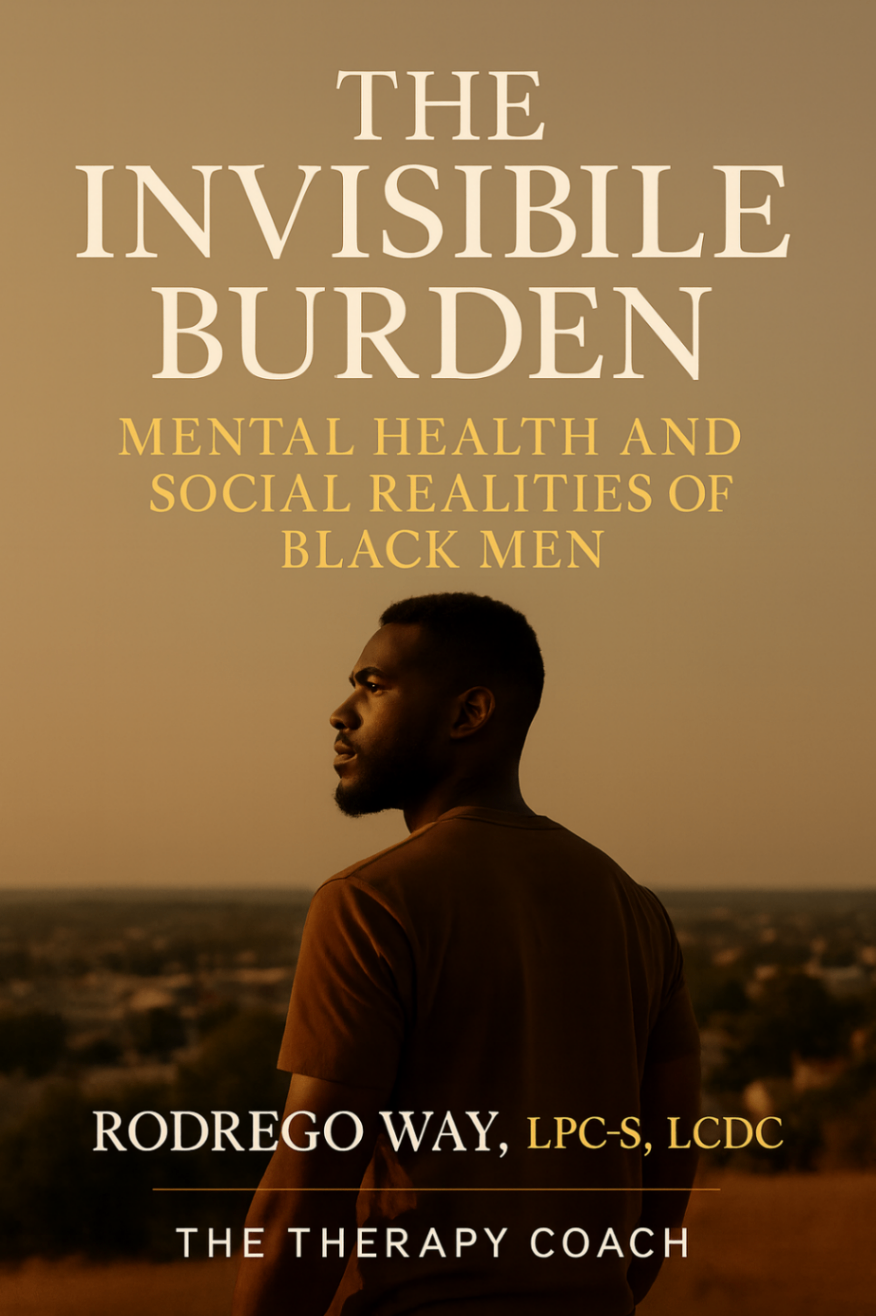
One of the most promising developments in 2026 is the practice of intergenerational trauma mapping: a process where families work together to identify patterns of trauma and resilience across generations. This isn't just about uncovering pain; it's about recognizing the incredible strength and survival strategies that have been passed down.
Families create visual maps showing both trauma patterns and protective factors across generations. This process helps younger family members understand their experiences within a larger context while honoring the wisdom and resilience of their ancestors.
3. Peer Family Navigation Programs
BIPOC families are training other BIPOC families to navigate mental health systems, trauma recovery, and community resources. These peer navigators understand the cultural nuances, systemic barriers, and family dynamics in ways that traditional case managers often cannot.
The families providing navigation have typically completed their own healing journeys and receive ongoing supervision from licensed clinicians. This model creates a bridge between professional mental health services and community support that feels authentic and accessible.
4. Technology-Enhanced Community Support
2026 has brought sophisticated but user-friendly platforms that connect BIPOC families in real-time support networks. These aren't just social media groups: they're curated environments where families share resources, celebrate progress, and provide mutual aid during crisis moments.
Features include trauma-informed communication training, secure messaging for sensitive topics, and integration with local community resources. The technology serves the community, not the other way around.
5. Cultural Practice Integration
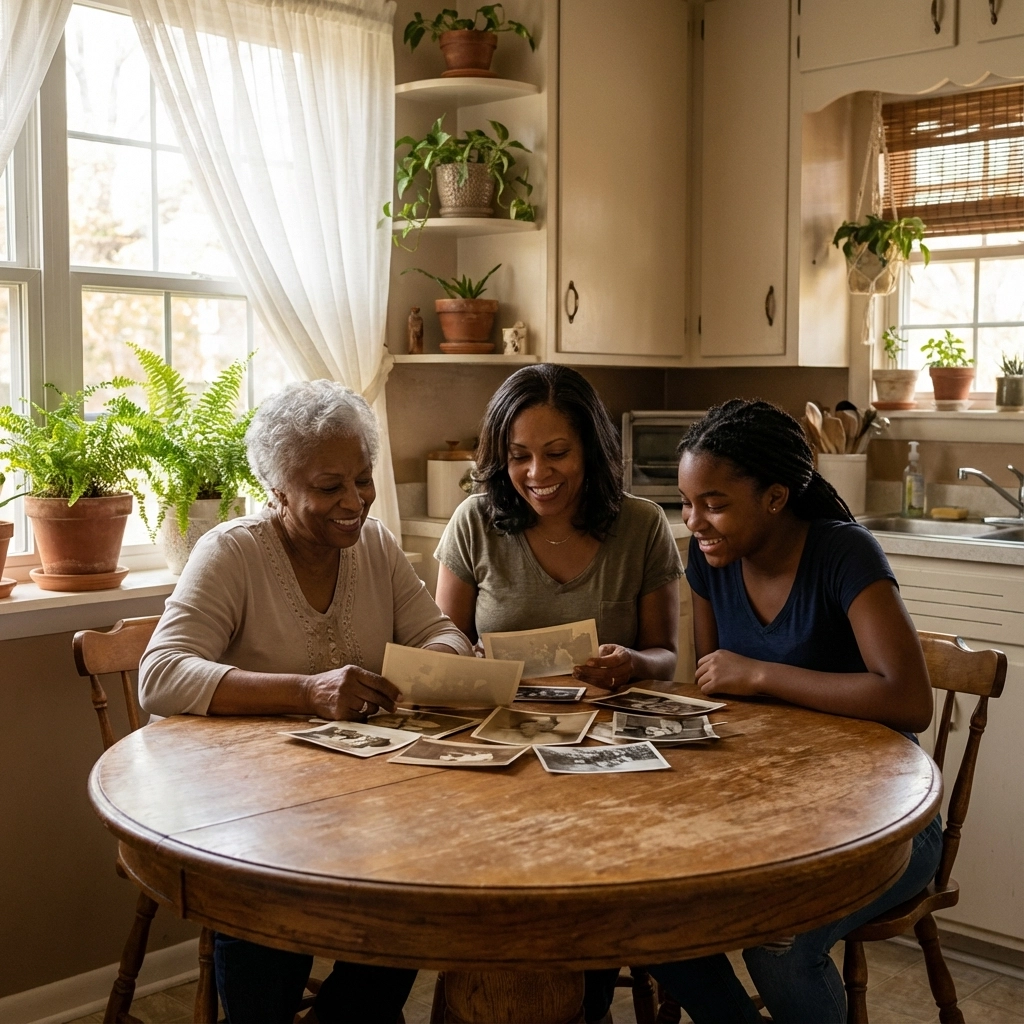
The most sustainable healing strategies integrate traditional cultural practices with evidence-based therapeutic approaches. This might mean incorporating African drumming into group therapy sessions, using Indigenous smudging ceremonies as grounding techniques, or integrating Latino family celebration traditions into trauma processing work.
These approaches honor the reality that many BIPOC communities have been healing trauma for generations using methods that Western psychology is only now beginning to understand and validate.
Building Trust Through Cultural Responsiveness
Trust remains the foundation of effective trauma recovery, and BIPOC families have learned to be cautious about mental health systems that have historically pathologized their experiences. The 2026 approach prioritizes trust-building through several key principles:
Cultural Affirmation: Healing spaces actively affirm cultural values, use culturally appropriate language, and incorporate traditional practices rather than viewing them as barriers to treatment.
Choice and Autonomy: Families maintain control over their healing journey, choosing which approaches feel right for their specific situation and cultural background.
Systemic Awareness: Providers and peer supporters acknowledge that ongoing systemic oppression contributes to trauma and stress, validating families' experiences rather than pathologizing their responses.
The Role of Professional Support in Community Healing

While community-based approaches are revolutionizing trauma recovery, licensed mental health professionals remain essential partners in this work. The difference in 2026 is how these professionals engage with communities.
Rather than expecting families to adapt to traditional therapy models, clinicians are learning to work within community healing frameworks. This might mean providing consultation to healing circles, offering training to peer navigators, or delivering therapy in community settings rather than clinical offices.
Evidence-based approaches like EMDR (Eye Movement Desensitization and Reprocessing), Cognitive Behavioral Therapy, and Dialectical Behavior Therapy are being adapted for group and community settings while maintaining their therapeutic effectiveness.
Measuring Success Beyond Individual Symptoms
Traditional mental health measures focus on reducing individual symptoms: less depression, fewer anxiety attacks, improved sleep. Community healing strategies track broader measures of family and community wellness:
- Increased family communication and connection
- Greater participation in community activities
- Improved academic and work performance across family members
- Stronger informal support networks
- Increased civic engagement and community leadership
These outcomes reflect the reality that individual healing happens within the context of family and community wellness.
Creating Sustainable Change
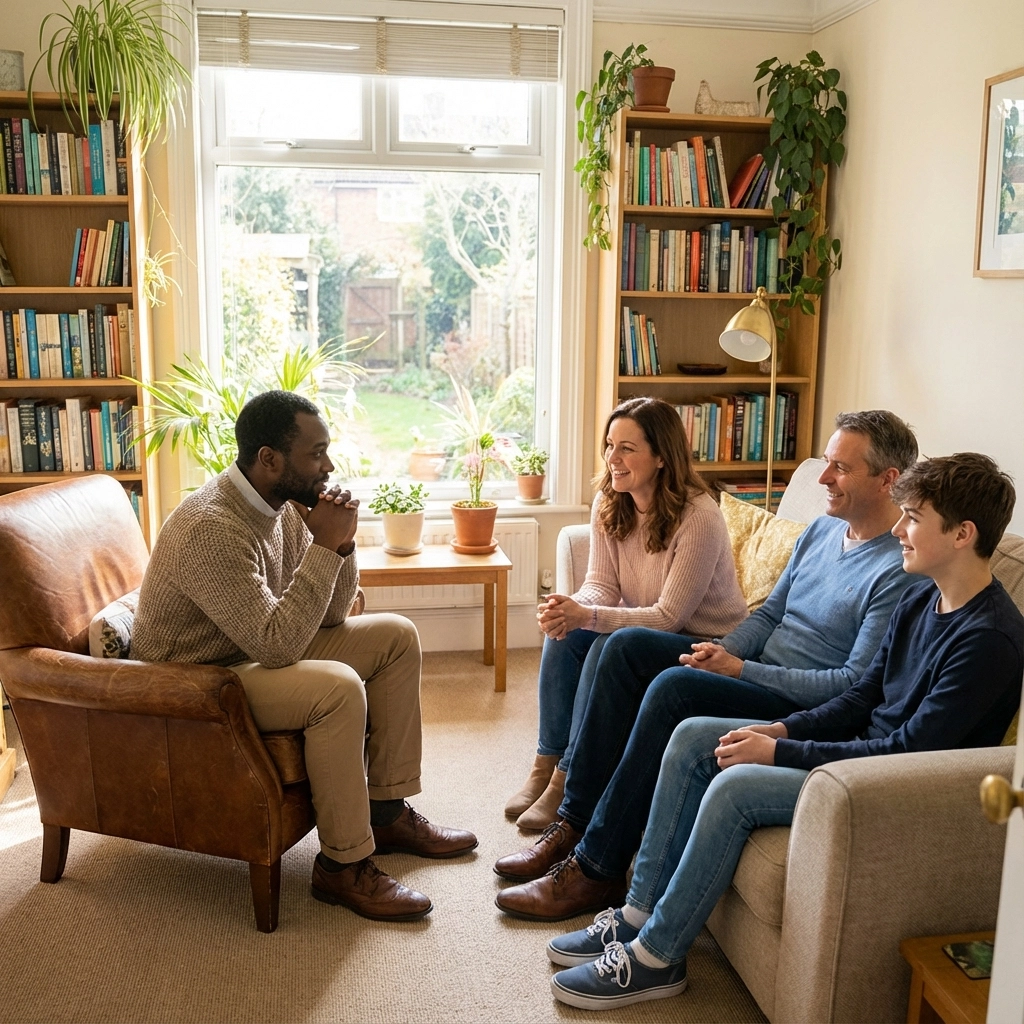
The most effective 2026 approaches focus on building sustainable healing ecosystems rather than quick fixes. This means training community members in trauma-informed practices, establishing ongoing funding for community programs, and creating pathways for community members to become licensed mental health professionals themselves.
Sustainability also requires addressing the systemic issues that create ongoing trauma. Community healing initiatives are increasingly partnering with advocacy organizations, schools, and policy makers to address root causes while providing immediate support.
Getting Started with Community Healing
If you're interested in bringing these next-generation approaches to your family or community, start small and build gradually:
-
Connect with existing community organizations that share similar values and see if there's interest in adding trauma-informed elements to current programming.
-
Seek out culturally responsive mental health professionals who understand community-based approaches and can provide consultation or training.
-
Begin with informal family healing practices: regular family meetings, storytelling sessions, or cultural activities that build connection and emotional safety.
-
Learn about trauma-informed communication through workshops or online resources that you can share with family and community members.
The transformation of trauma recovery for BIPOC families isn't waiting for 2026: it's happening now in communities across the country. By embracing approaches that honor both individual healing and collective strength, families are discovering that recovery isn't just possible; it's a pathway to unprecedented resilience and connection.
If your family is ready to explore trauma recovery options that honor your cultural background and community connections, The Mind and Therapy Clinic offers both individual and family therapy services designed with cultural responsiveness in mind.
Contact us to learn more about how we can support your family's healing journey while connecting you with community resources that make recovery sustainable and culturally meaningful.
Contact The Mind and Therapy Clinic
Licensed Professional Counselor Supervisor & Licensed Chemical Dependency Counselor
Call today to schedule your consultation and take the first step toward community-supported healing.