As we step into 2026, the mental health landscape continues evolving toward more inclusive, community-centered approaches to trauma recovery. At The Mind & Therapy Clinic, I've witnessed firsthand how healing happens not just in individual therapy sessions, but through the powerful connections we build within our communities.
Community-based trauma recovery represents a fundamental shift from isolated treatment models to collective healing approaches. This method recognizes that trauma affects entire communities and that recovery flourishes when we address it together, rather than in isolation.
Understanding Community Trauma in 2026
Community trauma extends beyond individual experiences to encompass shared wounds that affect entire neighborhoods, cultural groups, or social networks. Whether stemming from historical injustices, natural disasters, violence, or systemic oppression, these collective wounds require collective responses.
Recent research shows that communities implementing trauma-informed approaches see significant improvements in both individual and collective wellbeing. The key lies in understanding that healing happens through relationships, not just therapeutic techniques.
The Science Behind Togetherness in Healing
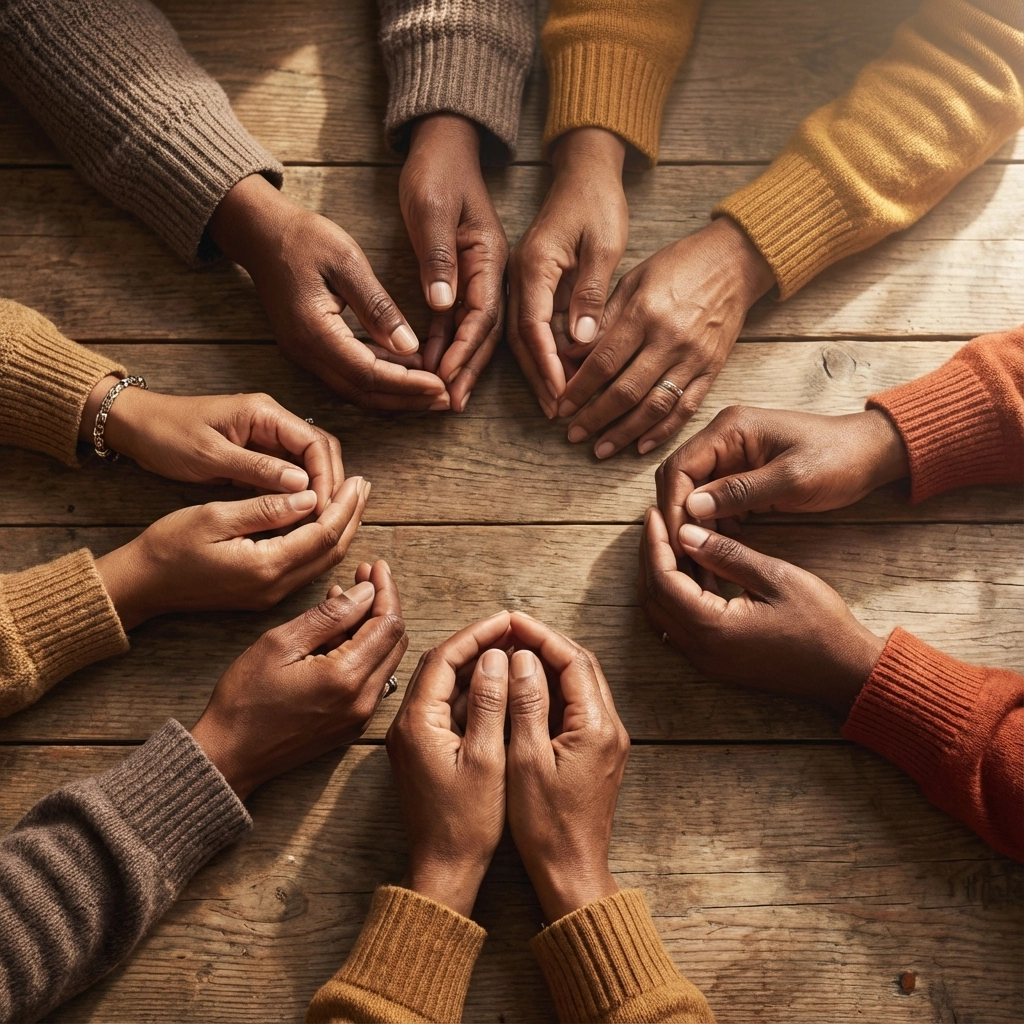
Neuroscience research continues revealing how human connection literally rewires our brains for resilience. When trauma disrupts our nervous system's natural balance, community support provides the co-regulation necessary for healing. This process, called "social nervous system regulation," demonstrates that we heal in relationship with others.
The Community Resiliency Model (CRM), an evidence-based approach, trains community members to help themselves and others track their nervous systems to restore balance. This creates trauma-informed, resiliency-focused communities where healing becomes a shared responsibility.
Core Principles of Community-Based Recovery
Safety Through Connection
Physical and emotional safety forms the foundation of all trauma recovery work. In community settings, safety emerges through predictable relationships, clear boundaries, and shared understanding of trauma's effects. Communities that prioritize safety create spaces where vulnerability becomes possible.
Peer Support Networks
Mutual support between individuals with shared experiences creates powerful healing opportunities. Peer supporters offer hope, practical assistance, and lived experience that professional support alone cannot provide. These relationships remind us that recovery is possible because others have walked similar paths.
Cultural Responsiveness
Effective community-based trauma recovery honors the cultural identities, traditions, and strengths within each community. This means adapting approaches to reflect local values, incorporating traditional healing practices, and addressing historical trauma's ongoing effects.

Building Trauma-Informed Communities: A Step-by-Step Guide
Step 1: Assess Community Needs
Start by understanding your community's unique trauma history and current strengths. Conduct listening sessions, surveys, and focus groups to identify both challenges and existing resources. This assessment should include voices from all community segments, especially those most affected by trauma.
Step 2: Develop Shared Language
Create common understanding about trauma, its effects, and pathways to healing. Host community education sessions that explain trauma responses, normalize seeking help, and share information about local resources. This shared language reduces stigma and increases help-seeking behaviors.
Step 3: Train Community Members
Implement training programs that equip residents with basic trauma awareness and peer support skills. Programs like Mental Health First Aid, psychological first aid, or the Community Resiliency Model provide practical tools for community members to support each other effectively.
Step 4: Create Safe Spaces
Establish physical and virtual spaces where community members can gather, share experiences, and access support. These might include community centers, support groups, cultural centers, or faith-based organizations that prioritize trauma-informed practices.
Step 5: Build Resource Networks
Connect existing community resources and create pathways between services. Map local mental health services, healthcare providers, social services, and community organizations to ensure seamless referrals and support coordination.
Real Stories of Community Healing
The Eastside Neighborhood Transformation
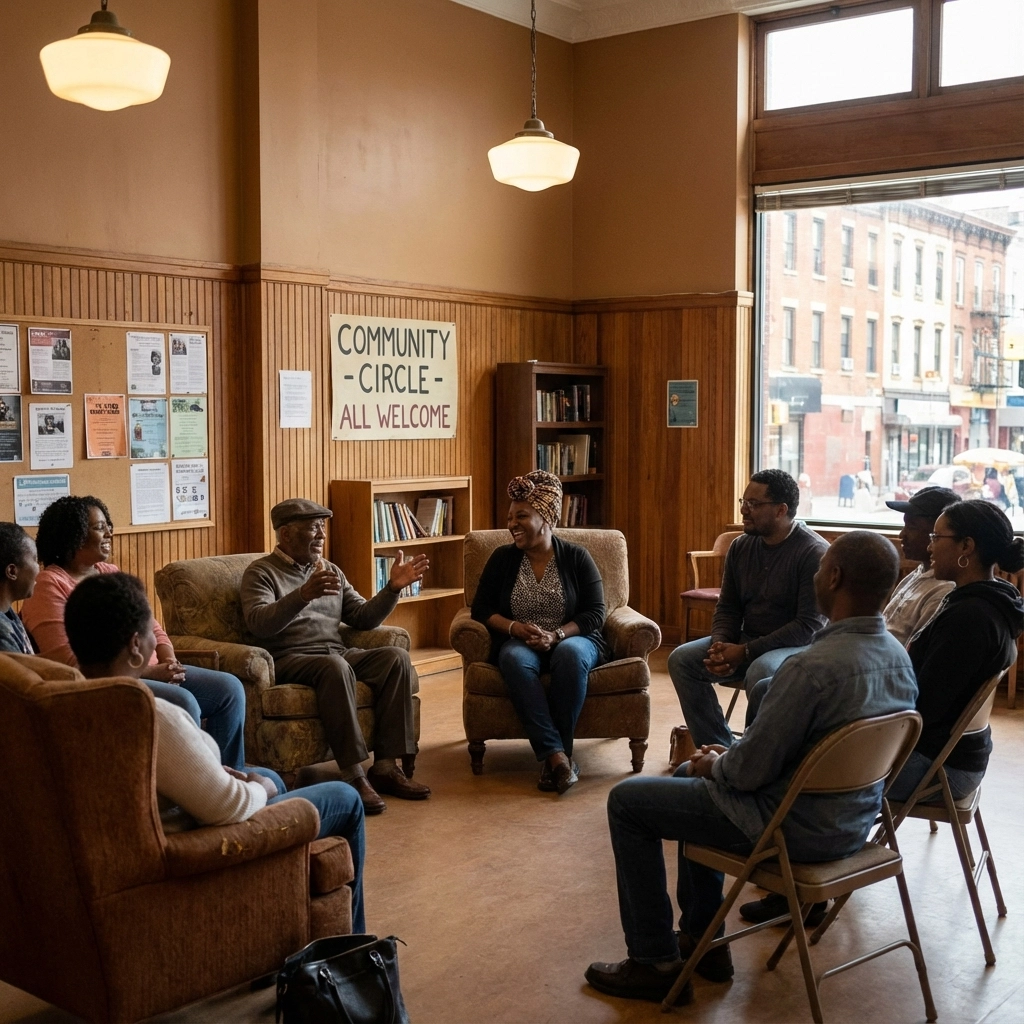
In 2025, residents of an East Houston neighborhood came together after experiencing a series of traumatic events. Working with local organizations, they created a community healing circle that met weekly in the local library. Within six months, participants reported improved emotional regulation, stronger social connections, and increased community pride.
The group incorporated traditional healing practices alongside evidence-based techniques, creating a model that honored cultural identity while promoting recovery. Today, this approach has spread to five additional neighborhoods throughout the city.
Workplace Trauma Recovery Initiative
A local manufacturing company recognized that workplace trauma was affecting productivity and employee wellbeing. They implemented a comprehensive trauma-informed workplace program that included peer support training, stress management workshops, and changes to workplace policies.
The results exceeded expectations: employee retention increased by 40%, workplace injuries decreased by 25%, and overall job satisfaction scores improved significantly. This model demonstrates how trauma-informed approaches benefit entire systems, not just individuals.
Practical Strategies for Community Leaders
Creating Inclusive Healing Spaces
Design programs that welcome diverse community members regardless of background, experience, or current challenges. This includes considering accessibility needs, language barriers, cultural preferences, and scheduling constraints that might prevent participation.
Sustaining Momentum
Community-based recovery requires ongoing commitment and resources. Develop sustainability plans that include funding strategies, leadership development, and evaluation methods to track progress and adjust approaches as needed.
Addressing Resistance
Some community members may resist trauma-informed approaches due to stigma, cultural beliefs, or past negative experiences with mental health services. Address resistance through patient education, cultural adaptation, and demonstrating concrete benefits over time.

The Role of Professional Support
While community-based approaches emphasize peer support and collective healing, professional mental health services remain essential components of comprehensive trauma recovery. Licensed therapists provide specialized interventions, crisis support, and clinical expertise that complement community efforts.
At The Mind & Therapy Clinic, we work collaboratively with community organizations to ensure individuals receive both professional treatment and community support. This integrated approach maximizes healing potential while honoring the important role communities play in recovery.
Technology and Community Healing in 2026
Digital platforms increasingly support community-based trauma recovery by connecting geographically dispersed individuals, providing 24/7 support access, and offering innovative healing tools. Virtual reality therapy, teletherapy groups, and smartphone apps for stress management complement in-person community activities.
However, technology works best when it enhances rather than replaces human connection. The most effective 2026 approaches blend digital tools with face-to-face relationships to create comprehensive support networks.
Measuring Success in Community Recovery
Successful community-based trauma recovery shows up in various ways: decreased crisis service utilization, improved school performance, reduced substance use, increased civic engagement, and strengthened social connections. These outcomes reflect trauma's community-wide effects and recovery's collective nature.
Regular community feedback, outcome measurements, and story collection help demonstrate impact while identifying areas for improvement. This data supports continued funding and program development while celebrating community accomplishments.
Getting Started in Your Community
Beginning community-based trauma recovery work starts with small steps and grows organically. Connect with local organizations, attend community meetings, and identify others who share your vision for collective healing. Start with education and relationship-building before launching formal programs.
Remember that sustainable change takes time. Focus on building trust, demonstrating respect for community wisdom, and celebrating small victories along the way. Communities know their strengths and challenges best; your role is to support and amplify their healing capacity.

Moving Forward Together
As we progress through 2026, community-based trauma recovery will continue evolving to meet emerging needs and incorporate new research findings. The fundamental truth remains constant: we heal in relationship with others, and communities possess incredible capacity for collective recovery.
Whether you're a community leader, healthcare provider, or concerned resident, you have a role in creating trauma-informed communities where healing flourishes. Start where you are, use what you have, and trust in the power of togetherness to spark real transformation.
Ready to explore how The Mind & Therapy Clinic can support your community's healing journey? Contact us to discuss collaboration opportunities or visit our services page to learn about our community-focused programs. Together, we can build resilient communities where everyone has the opportunity to heal and thrive.