When you're sitting in your living room, watching your teenage son struggle with the same anger issues your father battled, or noticing how your daughter shuts down emotionally just like you did at her age, you start to wonder: Is this pattern ever going to end?
The truth is, what you're witnessing isn't just coincidence: it's the result of generational trauma cycling through your family system. But here's what most people don't understand: historical trauma and personal pain aren't separate problems competing for your attention. They're interconnected wounds that require an integrated healing approach.
At The Mind and Therapy Clinic, we've seen countless families break these destructive cycles. The key isn't choosing between addressing historical trauma or personal pain: it's understanding how they work together and using therapeutic approaches that target both simultaneously.
Understanding the Three-Generation Pattern
Generational trauma doesn't just disappear with time. Research shows that traumatic experiences embed themselves in families through multiple pathways: behavioral modeling, biological changes, and unprocessed emotional wounds that get passed down like family heirlooms nobody wants.
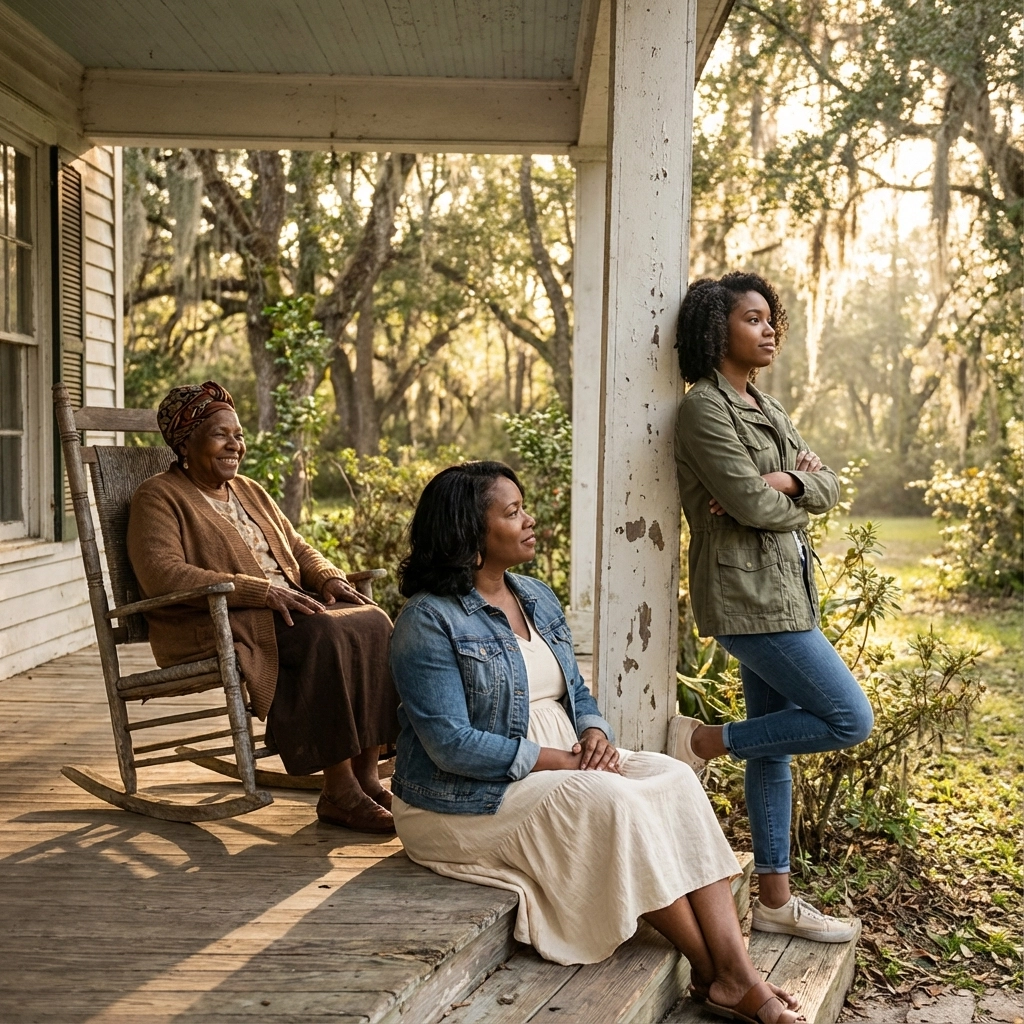
Think about it this way: when your grandparents survived systemic oppression, displacement, or cultural genocide, they developed survival strategies to cope. Maybe that meant emotional suppression, hypervigilance, or aggressive responses to perceived threats. These weren't character flaws; they were adaptive responses to genuine danger.
But here's where it gets complicated: children learn by watching. Your parents adopted those same survival strategies, even when they were no longer necessary. And now, three generations later, you're using coping mechanisms designed for threats that no longer exist: while also dealing with your own personal pain and trauma.
The biological component makes this even more complex. Studies indicate that trauma can actually influence stress-response systems and gene expression, leaving descendants more vulnerable to anxiety, depression, and heightened physiological reactivity. When historical trauma intersects with personal pain experiences, the effects compound exponentially.
Why Traditional "Choose One" Approaches Fall Short
Many people come to therapy expecting to choose between addressing their family's historical trauma or focusing on their personal pain. This binary thinking is exactly what keeps families stuck in generational cycles.
Personal pain: whether from your own traumatic experiences, chronic stress, or current life challenges: doesn't exist in a vacuum. It's filtered through the lens of inherited coping mechanisms and unresolved ancestral wounds. Similarly, historical trauma isn't just about what happened to your grandparents; it's about how those experiences shaped the family patterns that influence your daily life today.

At The Mind and Therapy Clinic, we've observed that clients who focus exclusively on personal pain often hit a wall when deeper family patterns resurface. Conversely, those who only address historical trauma without processing their own experiences find themselves intellectually understanding their family dynamics but still feeling emotionally stuck.
Integrated Therapeutic Approaches That Actually Work
The most effective approach combines multiple evidence-based modalities that address both historical and personal dimensions simultaneously. Here's what we've found works best:
Eye Movement Desensitization and Reprocessing (EMDR)
EMDR works effectively for both generational trauma and personal pain, processing inherited trauma responses and current experiences even when you don't have clear memories of specific events. Our EMDR protocols specifically target the intersection of chronic pain and trauma, making it particularly useful for breaking generational cycles.
What makes EMDR powerful for family healing is its ability to process implicit memories: those bodily sensations and emotional reactions you inherited without conscious awareness. You might find yourself having panic attacks in situations that remind your nervous system of your grandmother's experiences, even though you never lived through those events yourself.
Narrative Therapy
This approach helps you separate inherited family burdens from your authentic identity. Through narrative therapy, you can acknowledge how historical trauma influenced your family while preventing it from defining your present choices: critical for breaking cycles.
We work with families to reauthor their stories, identifying which family narratives serve their growth and which ones keep them stuck in destructive patterns. This isn't about denying your family's history; it's about choosing which parts of that history you carry forward.

Family Systems Therapy
Since generational trauma transmits through family relationships, healing often requires working with multiple generations simultaneously. Our family therapy sessions create space for different generations to explore how ancestral trauma influences current behaviors while developing new relational dynamics.
These sessions can be challenging but transformative. We've seen grandparents finally share stories they've kept hidden for decades, helping their children and grandchildren understand family patterns that seemed mysterious or confusing.
Somatic and Body-Based Approaches
Generational trauma often lives in the body: chronic tension, dysregulated nervous systems, unexplained pain: that traditional talk therapy might miss. Our somatic therapies help you access and release trauma stored in your physical system.
This is particularly important for breaking cycles because traumatic stress gets encoded in your nervous system. You might find yourself having physical reactions to situations that feel emotionally safe, simply because your body learned to expect danger based on your family's historical experiences.
Practical Steps for Breaking Your Family's Cycle
Start with Comprehensive Assessment
We begin by mapping trauma patterns across your three generations using detailed family histories and genograms. This reveals whether you're dealing primarily with historical trauma, personal pain patterns, or both: and how they interact in your specific family system.
Establish Safety and Stability First
Before diving into trauma work, we ensure you have adequate coping skills and support systems. Common pain management strategies like relaxation and mindfulness can sometimes trigger trauma memories, so we build safety first.

Integrate Multiple Modalities
Research consistently shows that combining approaches produces the most comprehensive healing. You might use EMDR to process inherited trauma responses, narrative therapy to reauthor your family story, and somatic therapy to release trauma stored in your body: all within a coordinated treatment plan.
Honor Your Cultural Context
Different cultures process intergenerational trauma differently. Some view it through a collective lens rather than an individual one. Our culturally-informed approach ensures we understand your background and incorporate healing traditions that align with your values.
Focus on Interrupting Transmission
The ultimate goal isn't just healing what you've inherited: it's ensuring these patterns don't continue to the next generation. This means developing new parenting strategies, communication patterns, and emotional regulation skills that model healthier ways of being for your children.
Moving Forward: Your Path to Generational Healing
Breaking a three-generation cycle requires patience, commitment, and the right therapeutic support. At The Mind and Therapy Clinic, we understand that this work isn't just about your individual healing: it's about transforming your entire family legacy.
The integration of approaches addressing both historical trauma and personal pain operates through the same physiological and psychological mechanisms that created your family's cycle. By working on both the mind and body, across individual and family systems, and with cultural sensitivity, you can interrupt the transmission of trauma while healing what you've inherited.

Remember: you're not just healing for yourself. You're healing for the generations that came before you and the ones that will come after. Every step you take toward breaking these patterns is a gift to your children and their children.
If you're ready to break your family's generational cycle, we're here to support you. Contact The Mind and Therapy Clinic today to schedule a consultation and begin your journey toward lasting family transformation. Together, we can ensure that the trauma stops with your generation and healing becomes your family's new legacy.
Ready to start your family's healing journey? Contact The Mind and Therapy Clinic today to learn more about our integrated approach to generational trauma recovery.