Social media has become the go-to space for many of us to process life's challenges. We scroll through posts about trauma, share our experiences, and find community in comment sections. But here's the reality check we need: social media isn't therapy, and it might actually be making your trauma worse.
As a therapist who works specifically with BIPOC communities, I see this pattern constantly. People are trying to heal generational trauma, racial trauma, and personal pain through Instagram posts and Twitter threads. While social connection matters, there's a difference between community support and actual trauma processing.
Let me break down five signs that it's time to step away from social media "therapy" and invest in real, culturally competent trauma treatment.
Sign #1: Your Anxiety Spikes Every Time You Open the App
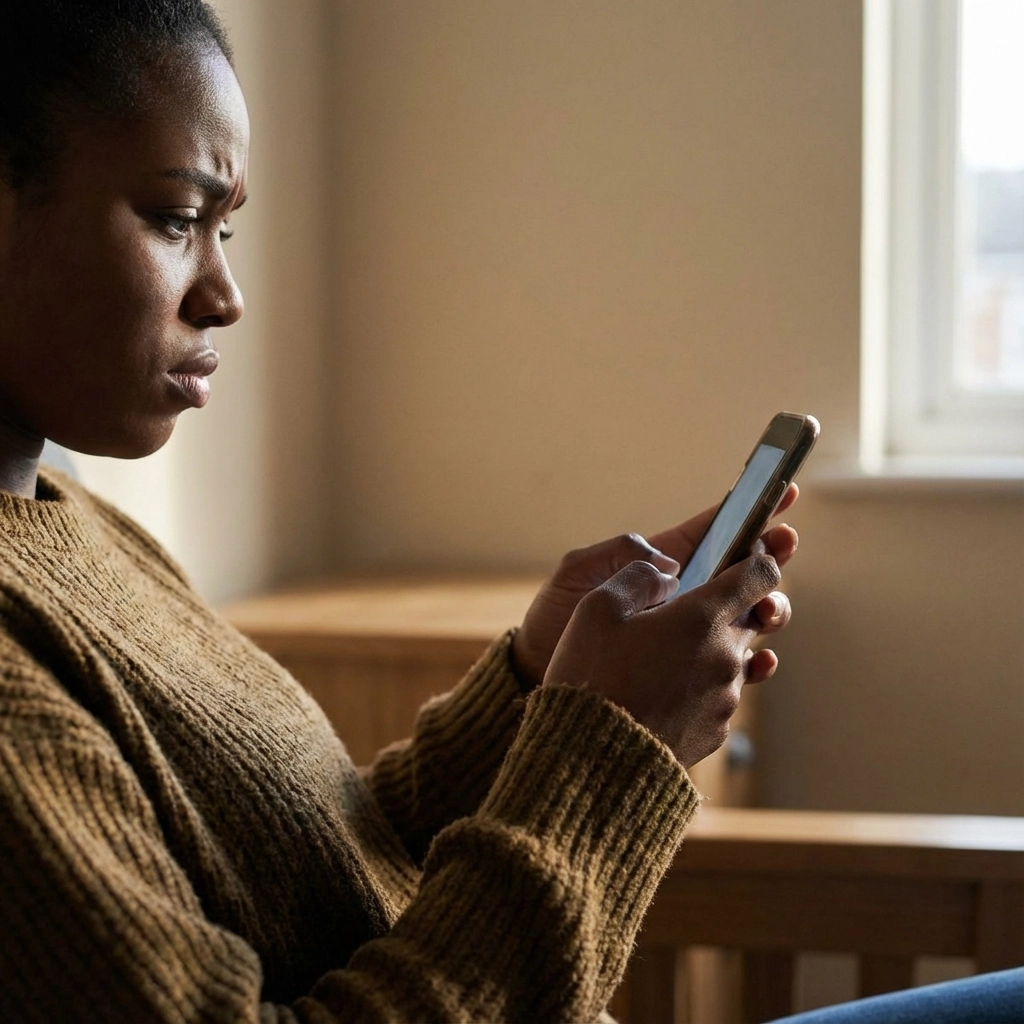
You know that feeling when you open social media and immediately feel your chest tighten? That's your nervous system responding to what trauma therapists call "activation." When scrolling leaves you more anxious, overwhelmed, or emotionally unstable than when you started, your body is telling you something important.
Social media creates what I call an "uncontained trauma space." Unlike therapy, where we create safety and boundaries around processing difficult experiences, social media throws everything at you at once. One minute you're looking at vacation photos, the next you're reading about police brutality or seeing someone's raw trauma dump in their stories.
Your nervous system doesn't know how to process this constant flood of information. It goes into hypervigilance mode, constantly scanning for threats. This is especially true for BIPOC individuals who are already navigating daily microaggressions and systemic stressors.
Real trauma therapy teaches you how to regulate your nervous system, not activate it constantly. If social media is leaving you feeling worse, not better, that's your cue to seek professional support.
Sign #2: You Can't Stop Consuming Traumatic Content
Here's a pattern I see frequently: you start scrolling to "stay informed" about social justice issues or to feel connected to your community's experiences. Before you know it, you're deep in a rabbit hole of traumatic content, unable to look away even though it's clearly hurting you.
This compulsive consumption is your trauma brain trying to make sense of overwhelming experiences. It's looking for resolution, for answers, for some way to feel in control. But social media doesn't provide that resolution – it just feeds you more content.
When you find yourself:
- Checking trauma-related news obsessively
- Seeking out triggering content even when you know it'll upset you
- Unable to engage with lighter content because it feels "frivolous"
- Losing hours to doom-scrolling
You're dealing with what therapists call "trauma reenactment." Your nervous system is stuck in a loop, trying to process something it can't handle alone.
A skilled trauma therapist can help you understand why you're drawn to this content and give you healthier ways to process these experiences.
Sign #3: You're Taking On Everyone Else's Trauma
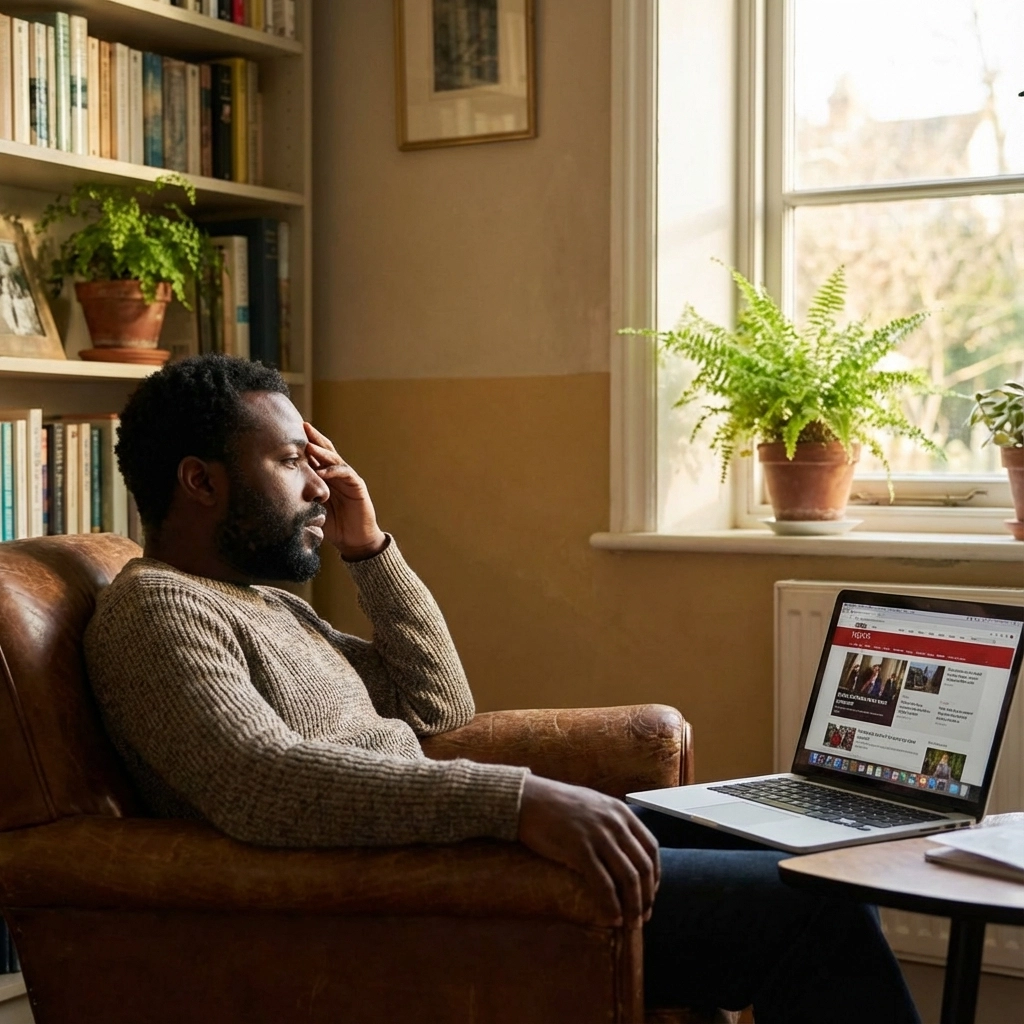
Secondary traumatic stress is real, and social media amplifies it exponentially. When you're constantly exposed to other people's trauma stories – whether it's racial violence, family dysfunction, or community struggles – your nervous system starts responding as if these things happened to you.
BIPOC communities face unique challenges here. We're often expected to carry collective trauma, to stay informed about every injustice, to be constantly available for emotional labor around racial issues. Social media makes this expectation feel infinite.
Signs you're experiencing secondary trauma from social media:
- Having nightmares about events you saw online
- Feeling guilty when you're not engaging with trauma content
- Physical symptoms like headaches or nausea after scrolling
- Feeling emotionally numb or overwhelmed by others' experiences
- Difficulty distinguishing between your trauma and what you see online
Your trauma matters, and it deserves individual attention. A BIPOC trauma therapist can help you separate your experiences from the collective pain you're absorbing online.
Sign #4: Social Media Replaced Real Connection
Social media can feel like connection, but it's often connection without true intimacy or safety. Real trauma healing happens in relationship – with yourself, with trusted others, and with skilled professionals who can hold space for your full experience.
When social media becomes your primary outlet for processing trauma, you miss out on the reciprocal, boundaried relationships that actually facilitate healing. Comments and likes might feel validating in the moment, but they can't provide the consistent, skilled support that trauma recovery requires.
Ask yourself:
- Are you sharing more vulnerably online than with people in your life?
- Do you feel more understood by strangers on the internet than by friends or family?
- Have you stopped talking about difficult experiences in favor of posting about them?
- Do you feel dependent on online validation to feel okay about your experiences?
Real healing requires what therapists call "earned security" – the experience of being truly seen, understood, and supported through difficult emotions. This happens in therapeutic relationships and close personal connections, not through social media engagement.
Sign #5: Your Symptoms Are Getting Worse, Not Better
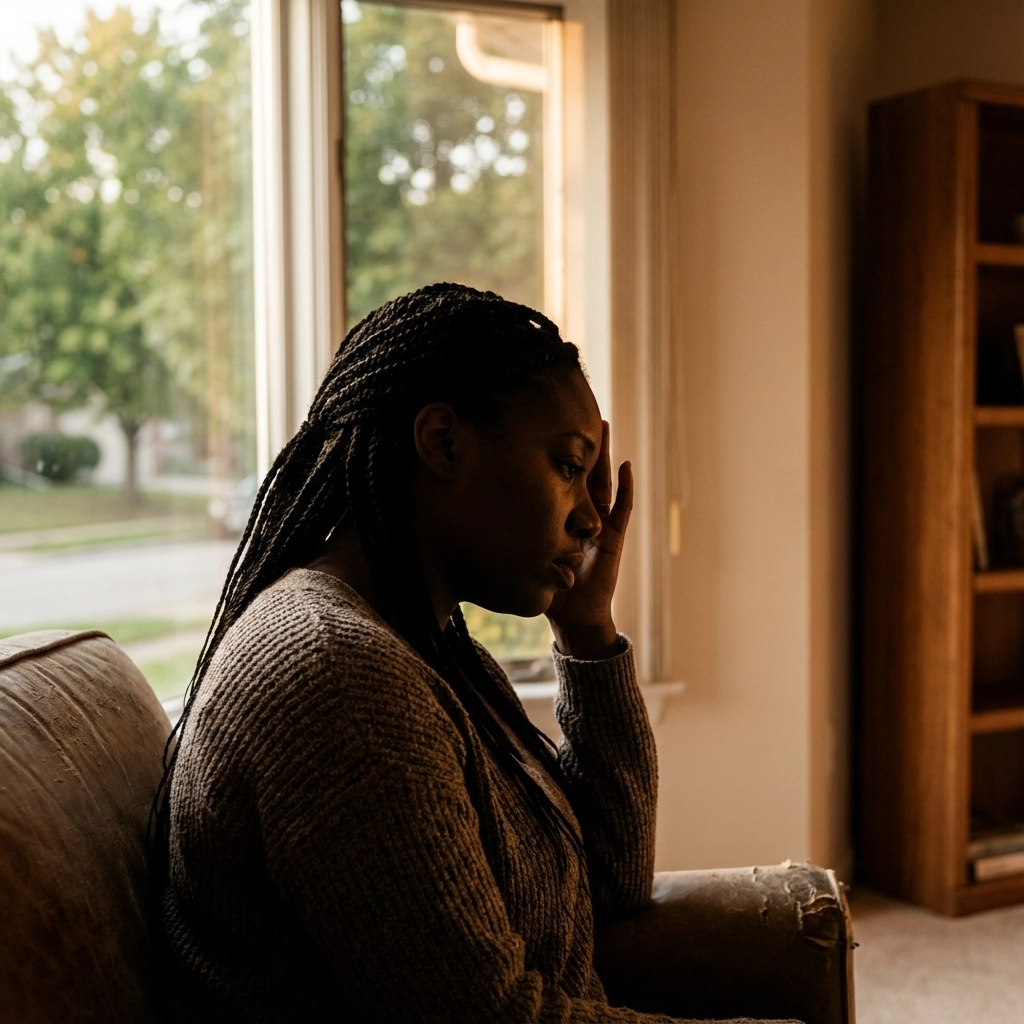
This is the most important sign to watch for. If your mental health is declining despite your efforts to "process" trauma on social media, something isn't working.
Common signs that social media is making your trauma worse:
- Increased panic attacks or anxiety episodes
- More frequent flashbacks or intrusive thoughts
- Growing isolation from offline relationships
- Sleep disturbances or changes in appetite
- Feeling more hopeless or powerless over time
- Increased substance use or other coping behaviors
- Loss of interest in activities you used to enjoy
Research shows that excessive social media use can actually perpetuate PTSD symptoms rather than resolve them. The constant activation without resolution keeps your nervous system in a chronic state of stress.
Why BIPOC-Specific Trauma Therapy Matters
Generic trauma therapy isn't always enough for BIPOC individuals. We need therapists who understand the intersection of personal trauma, racial trauma, generational trauma, and ongoing systemic oppression. We need clinicians who can validate our experiences without pathologizing our responses to very real societal problems.
BIPOC trauma therapy addresses:
- How historical trauma shows up in your daily life
- The impact of microaggressions on your nervous system
- Navigating predominantly white spaces safely
- Healing from internalized oppression
- Building resilience while acknowledging systemic barriers
- Processing grief about what you've lost to racism and discrimination
This level of understanding simply isn't available through social media, no matter how well-intentioned the online community might be.
Making the Transition from Social Media to Real Healing
If you're recognizing these signs in yourself, here's how to start transitioning from social media processing to actual healing:
Set boundaries with triggering content. Unfollow accounts that consistently activate your trauma responses. Use app timers to limit your social media use.
Find a trauma-informed BIPOC therapist. Look for clinicians who specifically mention racial trauma, cultural competence, or BIPOC specialization in their profiles.
Build offline support systems. Prioritize face-to-face connections with people who can provide consistent, boundaried support.
Practice nervous system regulation. Learn techniques like deep breathing, grounding exercises, or body-based practices that help you manage activation in the moment.
Remember: healing isn't a performance. Your trauma recovery doesn't need to be documented, shared, or validated by others online. It's a private journey that deserves professional support.
Ready to Take the Next Step?
If you're tired of processing trauma in circles on social media and ready for real healing, professional support is available. At The Mind and Therapy Clinic, we specialize in culturally responsive trauma therapy that honors your full identity and experiences.
Don't wait for your symptoms to get worse. You deserve healing that goes deeper than likes, comments, and shares. You deserve the kind of transformation that happens when trauma is processed safely, completely, and with skilled support.
Ready to start your healing journey? Contact us today to schedule a consultation. Your trauma story deserves more than social media – it deserves real, professional care.