Let me be clear from the start: traditional therapy methods are far from dead. In fact, evidence-based approaches like Cognitive Behavioral Therapy (CBT) and Dialectical Behavior Therapy (DBT) remain the gold standard in mental health treatment. CBT alone is supported by over 2,000 clinical trials, showing 50-75% symptom reduction rates across depression, anxiety, and trauma-related conditions.
But here's what needs to change in 2025: how we deliver these proven methods to BIPOC communities.
The Real Question: Are Traditional Methods Culturally Dead?
When I work with clients from Black, Indigenous, and other communities of color, I often hear the same frustration: "Therapy doesn't feel like it's for people like me." This isn't because CBT or EMDR don't work: it's because these methods were developed primarily through research on white populations and often delivered without cultural context.

Traditional therapy methods work. The problem lies in their one-size-fits-all application. A Black woman experiencing trauma from workplace discrimination needs more than standard anxiety protocols. A Latino man dealing with immigration stress requires approaches that acknowledge systemic barriers, not just individual coping strategies.
Why BIPOC Communities Need Different Approaches
Historical and Generational Trauma
BIPOC communities carry unique trauma burdens that traditional therapy often overlooks:
- Historical trauma: The lasting effects of slavery, genocide, and systemic oppression
- Intergenerational transmission: Trauma responses passed down through families
- Ongoing discrimination: Daily microaggressions and systemic racism
- Cultural displacement: Loss of traditional healing practices and community support
Standard therapy protocols weren't designed to address these multilayered experiences. When a therapist focuses solely on individual symptoms without acknowledging societal context, healing becomes incomplete.
Trust and Safety Barriers
Research consistently shows BIPOC individuals are less likely to seek mental health services. The reasons are complex:
- Historical medical abuse and experimentation
- Over-pathologizing of normal responses to oppression
- Lack of representation among mental health professionals
- Economic barriers and insurance limitations
- Stigma within communities about seeking help
These barriers mean that when BIPOC individuals do seek help, they need approaches that immediately establish safety and cultural understanding.
What Culturally-Sensitive Trauma Recovery Looks Like
Integrating Traditional Methods with Cultural Context
Effective trauma recovery for BIPOC communities doesn't abandon proven therapies: it enhances them:
CBT with Cultural Adaptation: Instead of generic thought-challenging exercises, we explore how societal messages about race impact thinking patterns. We validate appropriate anger about discrimination while building healthy coping strategies.
EMDR with Historical Context: Eye Movement Desensitization and Reprocessing can address not just personal trauma, but inherited family trauma. We process experiences while honoring cultural strength and resilience.
Somatic Approaches with Community Healing: Body-based therapies acknowledge how oppression lives in the nervous system while incorporating traditional cultural practices like drumming, movement, or spiritual rituals.
Community-Centered Healing
Individual therapy works best when supported by community approaches:
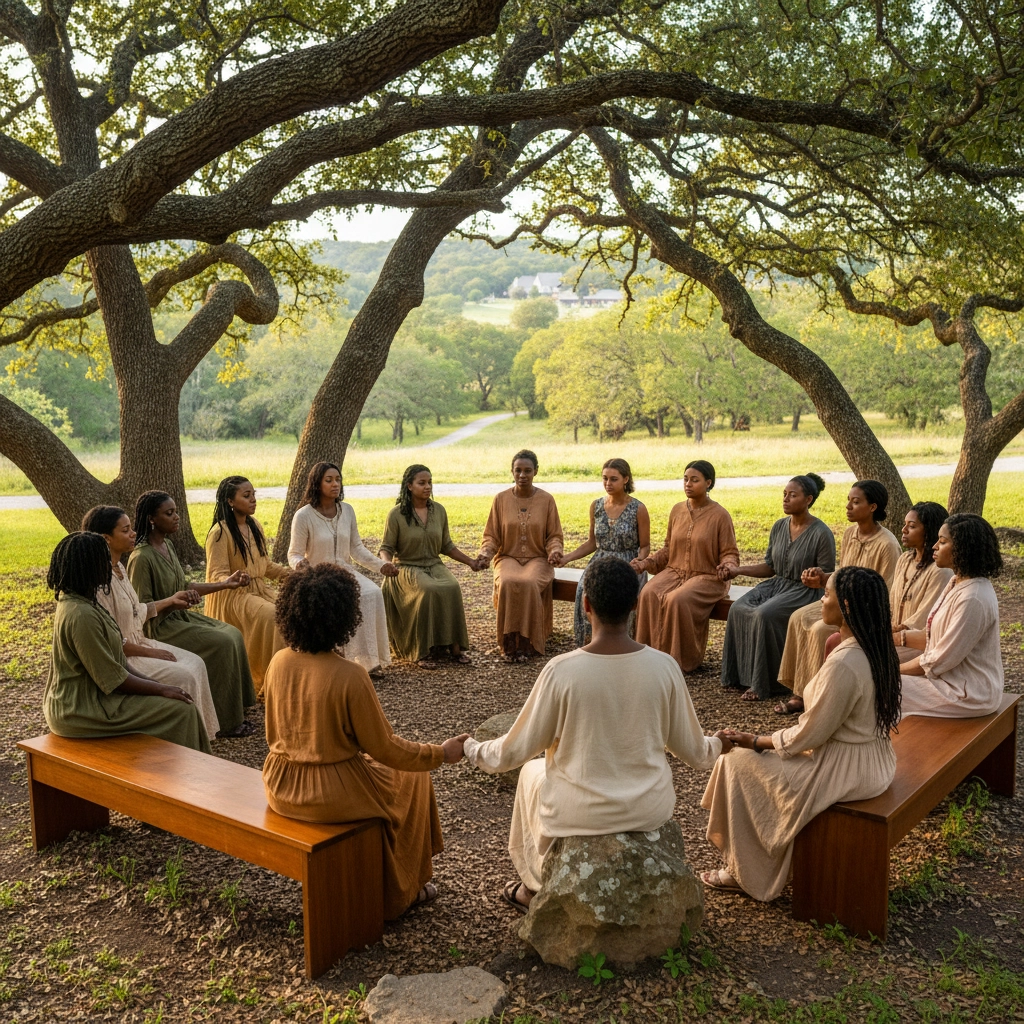
- Group therapy with cultural themes: Processing shared experiences of discrimination and resilience
- Family therapy that honors cultural values: Incorporating extended family, spiritual beliefs, and cultural practices
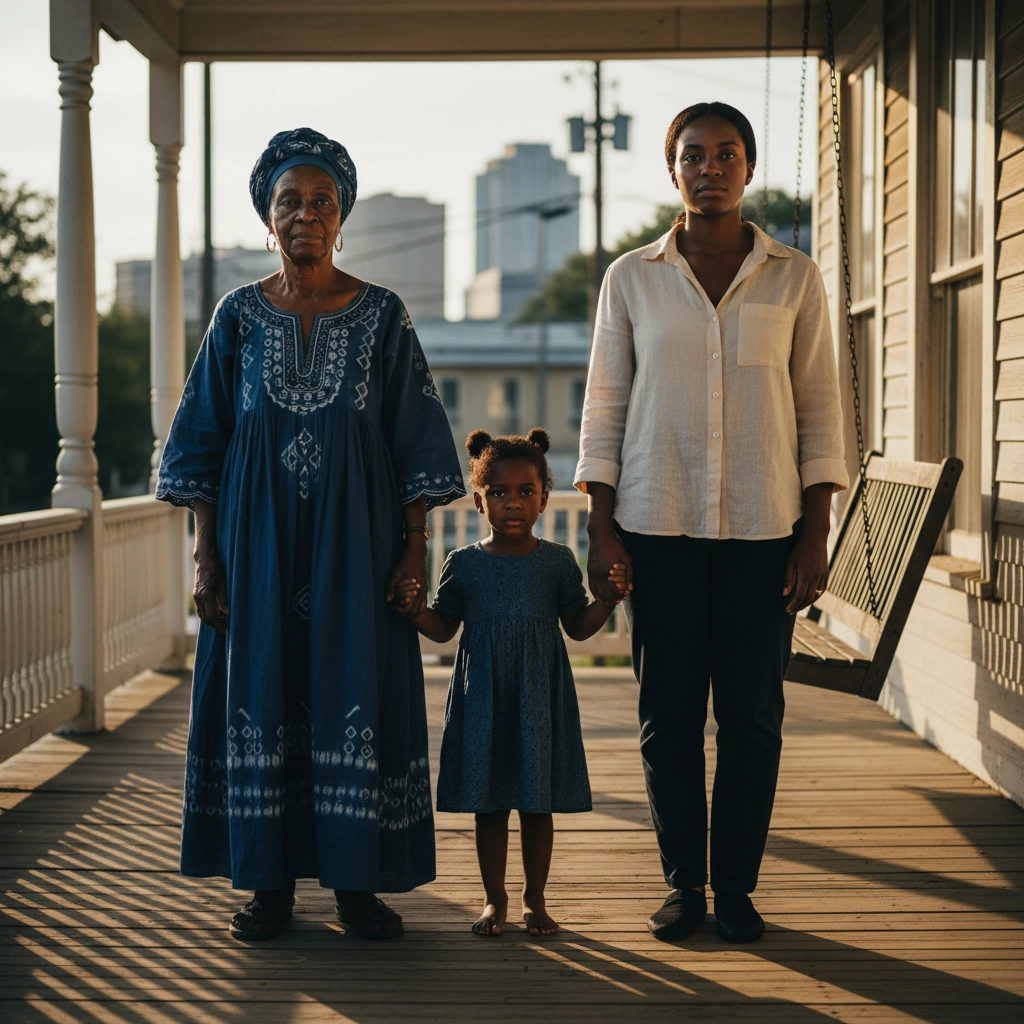
- Community partnerships: Connecting with cultural organizations, churches, and traditional healers
The Integration Model: Best of Both Worlds
At The Mind and Therapy Clinic, we've found the most effective approach combines evidence-based methods with cultural responsiveness:
Assessment with Cultural Lens
Initial assessments explore:
- Personal trauma history
- Family and generational experiences
- Cultural identity and values
- Experiences with discrimination
- Community resources and supports
- Traditional healing practices already used
Treatment Planning that Honors Both Science and Culture
Treatment plans might include:
- Evidence-based therapy (CBT, DBT, EMDR) delivered by culturally competent therapists
- Cultural adaptations that incorporate community values and practices
- Collaboration with cultural healers or spiritual leaders
- Family and community involvement as appropriate
- Advocacy components addressing systemic barriers
Practical Steps for Cultural Adaptation
For Therapists
- Examine your own biases: Ongoing education about racism and cultural humility
- Learn cultural histories: Understand the specific experiences of communities you serve
- Adapt interventions: Modify standard protocols to include cultural context
- Build community partnerships: Connect with cultural organizations and leaders
- Advocate systemically: Address barriers beyond individual therapy
For BIPOC Individuals Seeking Help
- Research therapists' cultural competence: Look for training in multicultural therapy
- Ask about their approach: How do they address cultural factors in treatment?
- Trust your instincts: If something doesn't feel culturally safe, it's okay to find someone else
- Consider group options: Community-based healing can complement individual work
- Integrate your cultural practices: Healing can include your spiritual, cultural, or community practices
The Evidence for Cultural Adaptation
Research increasingly supports culturally-adapted treatments:
- Improved engagement: BIPOC clients stay in treatment longer with culturally-adapted approaches
- Better outcomes: Cultural adaptations improve treatment effectiveness by 20-40%
- Reduced dropout rates: Clients are more likely to complete culturally-sensitive treatment
- Enhanced trust: Cultural competence improves therapeutic alliance scores
Moving Forward: What 2025 Demands
Traditional therapy methods aren't dead: they're evolving. The future of mental health care requires:
System-Level Changes
- Training requirements: All therapists need multicultural competence training
- Research inclusivity: Studies must include diverse populations
- Insurance coverage: Better coverage for culturally-adapted treatments
- Workforce diversity: More BIPOC mental health professionals
Individual Practice Changes
- Cultural humility: Ongoing learning about bias and privilege
- Flexible approaches: Adapting methods to fit cultural contexts
- Community connections: Building relationships with cultural communities
- Advocacy integration: Addressing systemic issues alongside individual healing
Why This Matters Now
The mental health crisis in BIPOC communities is reaching critical levels. Suicide rates among Black youth have increased 60% over the past decade. Anxiety and depression in Latino communities spiked during the pandemic. Traditional approaches to therapy: delivered traditionally: aren't meeting these urgent needs.
But when we adapt proven methods with cultural sensitivity, healing happens. Communities begin to trust mental health services. Families start addressing generational patterns. Individuals develop tools that work within their cultural context.
Take Action Today
If you're a BIPOC individual considering therapy, don't let past negative experiences stop you from seeking help. Look for therapists who understand cultural adaptation and systemic barriers. Your healing matters, and culturally-sensitive approaches can make traditional methods work for you.
If you're a mental health professional, commit to cultural competence training. Examine your own biases. Learn about the communities you serve. Adapt your methods while maintaining evidence-based standards.
Contact The Mind and Therapy Clinic
Ready to explore culturally-sensitive trauma recovery? At The Mind and Therapy Clinic, we integrate evidence-based methods with cultural understanding. Our approach honors both scientific rigor and cultural wisdom.
Contact Information:
- Phone: (972) 254-4444
- Website: mindandtherapyclinic.com
- Licensed Professional Counselor-Supervisor & Licensed Chemical Dependency Counselor
Schedule a consultation to discuss how culturally-adapted therapy can support your healing journey.
Newsletter Signup: Subscribe to receive monthly insights on culturally-sensitive mental health practices and community resources.
Posted in: Mental Health, Cultural Competence, Trauma Recovery
Tags: BIPOC Mental Health, Cultural Therapy, Trauma Treatment, Community Healing
Traditional therapy methods aren't dead: they're waiting to be delivered with the cultural sensitivity and systemic awareness that 2025 demands. Your community's healing depends on this evolution, and it starts with taking that first step toward culturally-affirming care.