Psychedelic-assisted therapy is making headlines as a breakthrough treatment for trauma, depression, and PTSD. But as Black communities consider this emerging option, there are critical factors to understand before taking the leap. The intersection of psychedelic medicine and Black mental health presents unique opportunities and challenges that deserve careful consideration.
While research shows promising results, the reality is that Black communities face distinct barriers and considerations when it comes to accessing and benefiting from psychedelic-assisted therapy. Here's what you need to know to make an informed decision.
1. The Science Shows Real Promise for Trauma Healing
Psychedelic-assisted therapy operates differently from traditional trauma treatments, and the results are compelling. Unlike conventional exposure therapy that requires repeatedly revisiting traumatic events, substances like MDMA and ketamine allow individuals to examine their trauma from new perspectives without becoming retraumatized.

The research speaks volumes. MDMA-assisted therapy has demonstrated significantly greater effectiveness for PTSD than traditional SSRI medications that people might take for years. Studies document substantial reductions in depression, anxiety, and stress among participants, with ketamine-assisted therapy producing sustained symptom improvements months after treatment ends.
What makes this particularly relevant for Black communities is how these substances help process race-based trauma. The neuroplasticity enhancement that psychedelics provide can help individuals work through feelings of guilt, shame, and hypervigilance that often accompany experiences of systemic racism and discrimination.
The key difference lies in the mechanism. Rather than forcing confrontation with traumatic memories, psychedelics create a neurochemical environment where the brain can naturally process and integrate difficult experiences. This gentler approach often proves more effective for complex trauma, which is unfortunately common in Black communities due to historical and ongoing systemic oppression.
2. Culturally Competent Care Isn't Optional: It's Essential
Here's where things get serious: psychedelics are not magic bullets. Without proper therapeutic support, particularly from specialists who understand race-based trauma, these powerful substances can potentially cause more harm than healing.
The therapeutic relationship becomes even more critical in psychedelic-assisted therapy because of the vulnerable state these medicines create. Black Americans need therapists who understand the mechanics of racism, systemic oppression, and their psychological impacts. A therapist who lacks this cultural competency may miss crucial elements of your experience or inadvertently invalidate your reality.

Many Black individuals find greater comfort working with therapists who share similar cultural backgrounds and can relate to their experiences on personal levels. This isn't just preference: it's often therapeutic necessity. When you're in an altered state of consciousness, processing deep trauma, the safety and understanding provided by a culturally competent therapist can mean the difference between healing and retraumatization.
The challenge is finding these specialists. The field remains predominantly white, and training in both psychedelic therapy and racial trauma requires specific expertise that's currently rare. Before considering treatment, verify that your potential therapist has specialized training in trauma, race-based trauma, and psychedelic-assisted therapy.
3. Representation Matters: And It's Currently Lacking
The stark reality is that Black communities are dramatically underrepresented in psychedelic research and treatment. Over 80% of participants in modern psychedelic trials identify as white, creating a significant research gap. This means treatments are being developed with limited input from the communities that could benefit most.
This underrepresentation has real consequences. Without diverse participation in clinical trials, we don't fully understand how these treatments affect different populations, what dosing might be most appropriate, or how cultural factors influence outcomes. The Western psychedelic space has systematically excluded Black voices, despite the deep African roots of many of these medicines globally.
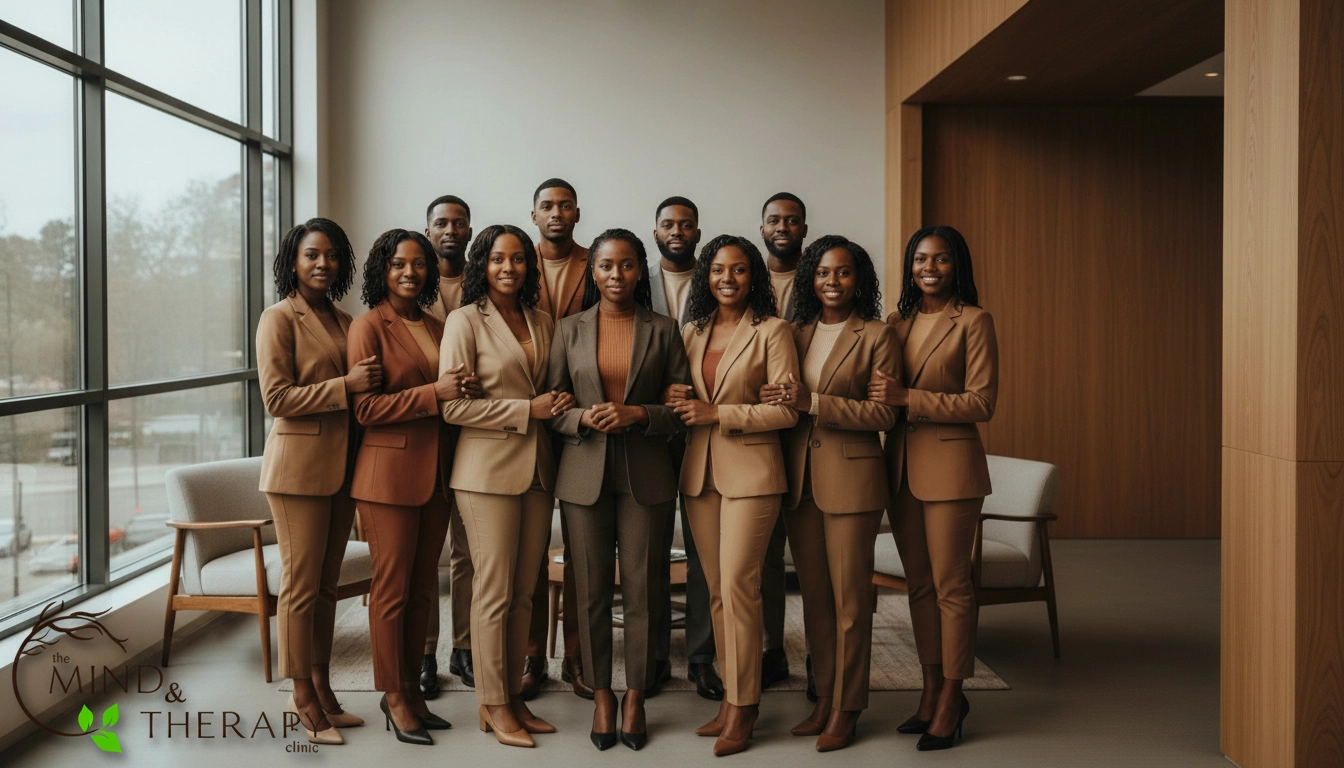
The lack of representation extends beyond research into clinical practice. Most psychedelic therapy clinics are not Black-led, and many practitioners lack the cultural training necessary to serve Black clients effectively. This creates a cycle where Black communities remain underserved in a field that could potentially address significant mental health disparities.
However, this is beginning to change. Organizations are emerging that focus specifically on increasing diversity in psychedelic research and training. Some programs now prioritize training Black and Indigenous practitioners, recognizing that representation in the field is crucial for effective treatment delivery.
4. Access Barriers Are Real and Significant
Even when psychedelic-assisted therapy proves effective, accessing it remains challenging for many Black individuals and families. The barriers are multifaceted and often interconnected.
Cost represents the most immediate obstacle. Training programs for psychedelic therapists are expensive, which contributes to higher treatment costs. Insurance rarely covers these treatments, meaning most expenses come out of pocket. For communities already facing economic disparities, these costs can be prohibitive.
Geographic accessibility poses another challenge. Most psychedelic therapy clinics are located in affluent urban areas, potentially requiring travel and time off work that many cannot afford. The concentration of services in certain areas also means fewer options for finding culturally competent providers.
Legal considerations add another layer of complexity. While some psychedelics like ketamine are legal for therapeutic use, others remain in clinical trial phases or require special permissions. Navigating these legal frameworks requires resources and knowledge that aren't equally distributed across communities.
The training pipeline itself presents barriers. Medical professionals interested in providing psychedelic-assisted therapy must complete expensive specialized training programs. The lack of diversity in these programs means fewer Black providers entering the field, perpetuating the representation gap.
5. Cultural Integration and Community Support Are Vital
Healing from racial trauma requires more than neurochemical intervention: it demands cultural connection and community support. The most effective psychedelic-assisted therapy for Black communities integrates modern medical approaches with cultural wisdom and traditions.
Some progressive clinicians are beginning to weave traditional healing practices with psychedelic therapy, recognizing that trauma often severs people from their cultural roots. Reestablishing these connections can be profoundly restorative, addressing not just the neurobiological aspects of trauma but also the spiritual and cultural dimensions of healing.

Community support plays an equally important role. Healing happens in relationship, and the insights gained during psychedelic therapy need supportive environments to integrate effectively. This might involve family education, community workshops, or group integration sessions that help individuals process their experiences within their cultural context.
The approach should complement rather than replace community-based healing. Traditional forms of support: whether through religious communities, cultural organizations, or family networks: remain crucial components of comprehensive healing. Psychedelic-assisted therapy works best when it's part of a broader healing ecosystem that includes these natural support systems.
Consider also that healing racial trauma requires societal change alongside individual treatment. While psychedelic therapy can help individuals process their experiences and develop resilience, addressing the root causes of trauma requires continued advocacy and systemic change.
Making an Informed Decision
Before considering psychedelic-assisted therapy, take time to thoroughly research your options. Ensure any provider you consider has specialized training in both trauma and race-based trauma specifically. Verify that the clinical setting prioritizes cultural safety and respect. Understand that this treatment should complement, not replace, your existing support systems and community connections.
Consider starting with traditional therapy to build a foundation of trust and understanding with a culturally competent therapist. This relationship can provide valuable support whether or not you eventually pursue psychedelic-assisted treatment.
Remember that healing is not a linear process, and what works for one person may not work for another. The decision to explore psychedelic-assisted therapy should be made carefully, with adequate support, and with realistic expectations about both the potential benefits and limitations.
At The Mind and Therapy Clinic, we understand the unique considerations facing Black communities when exploring mental health treatment options. Our commitment is to provide culturally informed care that respects your experiences and supports your healing journey, whatever path you choose.
Ready to explore your healing options? Contact us today to discuss how we can support your mental health journey with culturally competent, trauma-informed care.