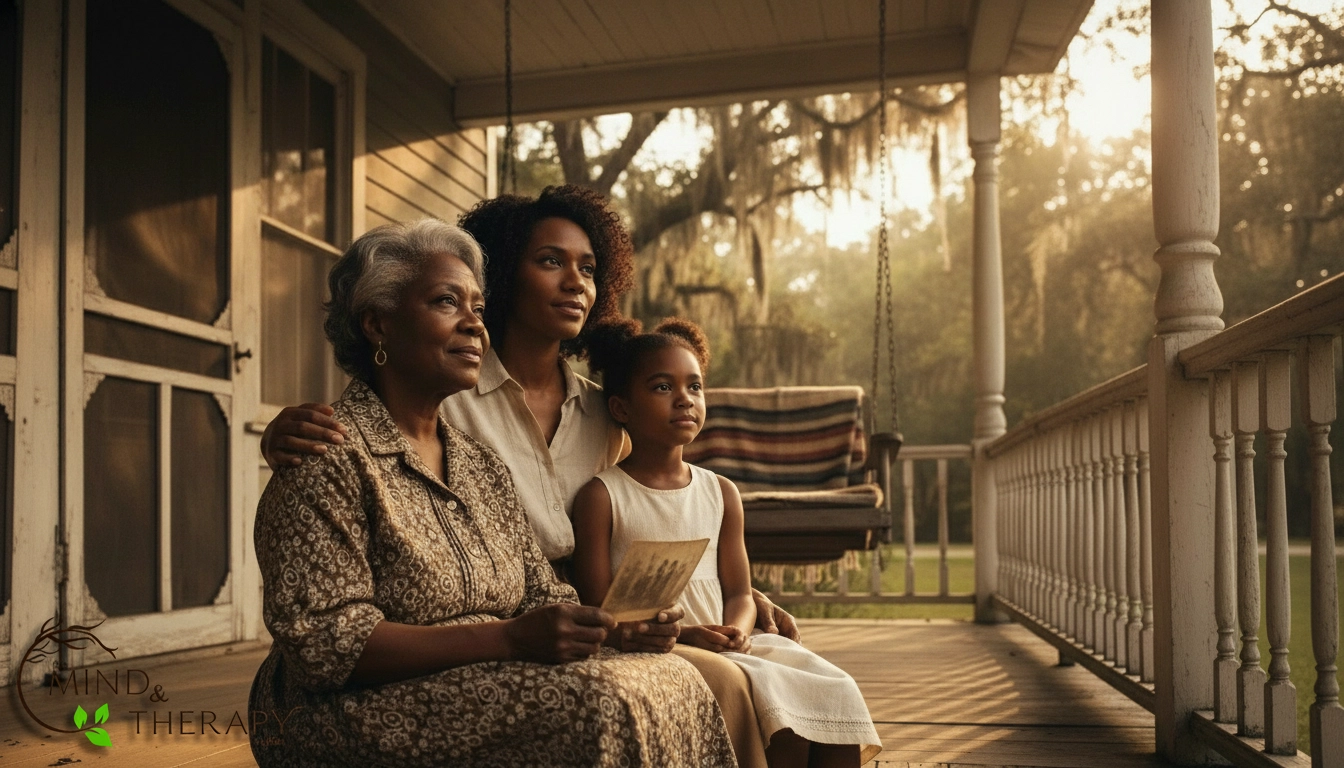
Historical trauma doesn't just disappear with time: it often deepens across generations when left unaddressed. For BIPOC families, the weight of ancestral pain combines with ongoing systemic oppression, creating a perfect storm that can make trauma symptoms more severe with each passing generation. But here's what most families don't realize: specific therapeutic strategies designed for BIPOC communities can actually interrupt this cycle and create lasting healing.
Why Historical Trauma Gets Worse Over Time
When trauma remains unprocessed, it becomes embedded in our nervous systems and family patterns. Each generation inherits not just the original wounds, but also the coping mechanisms: hypervigilance, emotional shutdown, or chronic stress responses: that helped their ancestors survive but may no longer serve the family's wellbeing.
For BIPOC families, this inheritance is complicated by ongoing experiences of discrimination, microaggressions, and systemic barriers. The nervous system never gets a chance to fully reset because new stressors continuously activate the same trauma responses. Children learn these patterns as "normal," perpetuating cycles of anxiety, depression, relationship difficulties, and physical health problems.
The good news? Research shows that targeted family therapy approaches can break these patterns and create new legacies of resilience and healing.
Strategy 1: Ecosystemic Structural Family Therapy (ESFT) with Resilience Building
Traditional therapy often focuses on individual symptoms, but ESFT recognizes that trauma affects entire family systems. This approach combines structural family therapy principles with ecosystemic thinking, meaning we look at how trauma impacts relationships within the family and how the family connects to their broader community.
How ESFT Works for BIPOC Families:
ESFT operates through four foundational pillars that address the root causes of intergenerational trauma:
- Co-caregiver Alliance: Strengthening the partnership between primary caregivers so they can present a united front in healing
- Secure Attachment: Rebuilding trust and emotional safety within family relationships
- Executive Functioning: Developing practical skills for managing daily stressors and making healthy decisions
- Emotion Regulation: Learning how to process and express feelings in ways that bring the family closer rather than pushing them apart
What makes this approach particularly powerful for BIPOC families is its emphasis on transferring skills from the therapy room into real-world environments: homes, schools, and community spaces where families actually live their lives.
The Resilience Component:
Rather than focusing solely on what's "broken," resilience-building therapy highlights existing family strengths. Many BIPOC families have incredible survival skills, cultural wisdom, and community connections that can become the foundation for healing. A skilled therapist will help families reframe their narratives from "we're damaged" to "we're survivors building something better."
This strength-focused approach is crucial because it honors the reality that BIPOC families have already overcome tremendous challenges. The goal isn't to fix what's wrong: it's to build on what's already working.

Strategy 2: Somatic and Creative Trauma Processing
Historical trauma lives in the body. When our ancestors experienced violence, displacement, or oppression, their nervous systems adapted to survive constant threat. These adaptations: rapid heartbeat, muscle tension, shallow breathing, hypervigilance: can be passed down through both genetic and environmental pathways.
Body-Based Healing Techniques:
Somatic approaches help families reconnect with their bodies in safe, controlled ways. This might include:
- Grounding exercises that help family members feel safe in their physical space
- Breathing techniques that activate the parasympathetic nervous system and promote calm
- Movement practices that release stored tension and trauma
- Mindfulness activities that build awareness of the body's signals
For children and adolescents, creative interventions can make this work more accessible and engaging. Art therapy, music, dance, and play therapy all provide non-verbal ways to process experiences that might be too overwhelming for traditional talk therapy.
EMDR Adapted for BIPOC Clients:
Eye Movement Desensitization and Reprocessing (EMDR) has shown remarkable success in treating trauma, and when adapted for BIPOC clients, it becomes even more powerful. Culturally adapted EMDR might incorporate:
- Cultural resourcing: Using family traditions, spiritual practices, or community figures as sources of strength and grounding
- Rhythmic bilateral stimulation: Incorporating culturally meaningful drumming or music instead of traditional light bars or buzzers
- Ancestral connections: Helping clients draw on the wisdom and resilience of their ancestors as a resource for healing
This somatic work directly addresses the nervous system dysregulation that keeps trauma cycles active across generations.
Strategy 3: Culturally Competent Therapy and Community Healing
One of the biggest barriers to healing historical trauma is working with therapists who don't understand the unique experiences of BIPOC families. Cultural competence isn't just about being sensitive: it's about understanding how systemic oppression, cultural strengths, and community dynamics all influence the healing process.
What Culturally Competent Therapy Looks Like:
- Validation of experiences: Acknowledging that discrimination and systemic barriers are real and impact mental health
- Integration of cultural values: Incorporating spirituality, community connections, and cultural traditions into the healing process
- Understanding of intersectionality: Recognizing how race, class, gender, sexuality, and other identities intersect to create unique experiences
- Trauma-informed principles: Creating safety, trustworthiness, collaboration, and empowerment in the therapeutic relationship
The Power of Collective Healing:
Because historical trauma often originated from collective experiences: slavery, genocide, displacement, systemic oppression: healing happens most powerfully in community settings. This might include:
- Family therapy sessions that bring multiple generations together
- Support groups with other BIPOC families facing similar challenges
- Community healing circles that incorporate cultural practices and traditions
- Mentorship programs that connect families with others who have successfully navigated healing journeys
At home, families can normalize emotional expression by creating regular opportunities to share feelings and experiences. Simple practices like family check-ins, gratitude sharing, or storytelling can help break patterns of emotional shutdown that often perpetuate trauma cycles.

Implementing These Strategies: Where to Start
Breaking generational trauma patterns isn't something that happens overnight, but families can begin taking steps immediately:
- Start with safety: Create predictable routines and emotional safety within your family system
- Normalize feelings: Make it safe for family members to express emotions without judgment or immediate problem-solving
- Connect with your body: Practice simple grounding techniques as a family, like deep breathing or progressive muscle relaxation
- Seek culturally competent support: Look for therapists who have specific training in working with BIPOC families and trauma
- Build community connections: Connect with other families, cultural organizations, or support groups in your community
Your Family's Healing Journey Starts Now
Historical trauma may have shaped your family's story, but it doesn't have to write your future. The strategies outlined here: ESFT with resilience building, somatic and creative processing, and culturally competent community healing: offer proven pathways to break cycles that may have persisted for generations.
Remember that healing is not about forgetting or minimizing what your family has endured. It's about honoring that experience while creating new patterns of connection, resilience, and wellbeing that you can pass on to future generations.
At The Mind and Therapy Clinic, we specialize in helping BIPOC families navigate these healing journeys with culturally competent, trauma-informed care. Our approaches honor your family's strength while providing the tools and support needed to create lasting change.
Ready to take the first step toward breaking the cycle in your family? Contact The Mind and Therapy Clinic today to schedule a consultation and learn more about how these evidence-based approaches can support your family's unique healing journey.
The Mind and Therapy Clinic
Rodrego Way, LPC-S, LCDC
Visit us at mindandtherapyclinic.com to learn more about our family therapy services and schedule your consultation.
Your family's healing matters. Your story matters. And your future can be different.