
The numbers are stark and demand our immediate attention. Recent research reveals that Black male teenagers continue to face significant barriers to mental health therapy, and the consequences are becoming increasingly severe. As mental health professionals, we cannot ignore what the data is telling us about this vulnerable population.
The Current Mental Health Crisis
The statistics paint a troubling picture. Young Black males now have a suicide rate 2.3 times higher than young Black females, marking a dramatic shift in mental health trends. Even more alarming, suicide rates among Black youth ages 10 to 19 have increased by 54 percent since 2019, now surpassing their white peers for the first time in recorded history. Meanwhile, white suicide rates have actually decreased by 17 percent since 2022.
From 2007 to 2020, suicides among Black youth ages 10 to 17 jumped an unprecedented 144 percent. These numbers represent more than statistics: they represent young lives lost and families devastated.
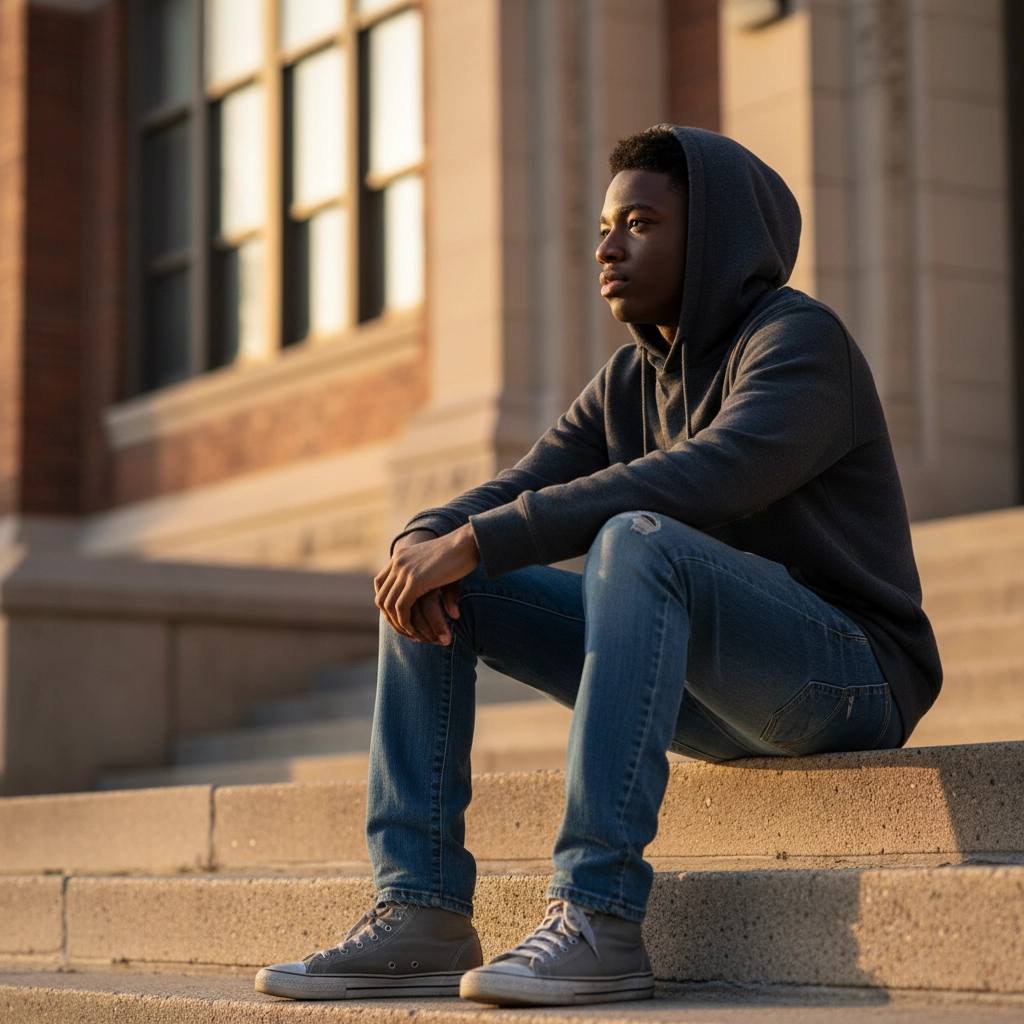
What the Latest Research Reveals About Service Utilization
A comprehensive 2025 study examining Medicaid-enrolled children and adolescents provides concrete evidence of ongoing disparities. The research found that only 21.9 percent of non-Hispanic Black adolescents received any mental health visits, compared to 31.7 percent of non-Hispanic white adolescents.
This gap persists despite increasing awareness of mental health issues among Black teens themselves. In fact, 50 percent of Black teens report being highly concerned about teen mental health issues, compared with 39 percent of other demographic groups. The awareness exists, but access and utilization remain problematic.
Among Black high school students overall, 39 percent have experienced persistent feelings of sadness or hopelessness: a 42 percent increase from 2009. Additionally, 22 percent have seriously considered attempting suicide, representing a 66 percent increase since 2009.
Understanding the Barriers to Mental Health Care
Cultural and Stigma-Based Challenges
Research demonstrates that within Black communities, there are more stigmatized attitudes toward depression treatment compared to white communities. Black adolescents, particularly males, tend to resist labeling their problems as mental health issues. They are less likely than white adolescents to view depression as a treatable medical disorder requiring therapy or medication.
This cultural resistance to mental health framing is particularly pronounced among males, who often face additional societal pressure to minimize emotional vulnerability and maintain strength in the face of adversity.
Symptom Recognition and Presentation Differences
One critical factor contributing to underutilization of mental health services is the way Black youth may present depression symptoms differently than their white peers. Rather than exhibiting classic signs of sadness or loss of interest in daily activities, Black teens: especially males: often display anger, aggression, or irritability.
This difference in presentation means that depression in Black teens frequently goes untreated or is misdiagnosed as behavioral problems rather than mental health conditions requiring therapeutic intervention. The result is disciplinary action rather than mental health support.

Systemic and Historical Barriers
The barriers extend far beyond individual or family choice. Historical mistreatment of Black Americans by the healthcare community has created deep-rooted mistrust of healthcare systems. This historical trauma continues to influence help-seeking behaviors today.
Black Americans have historically received subpar care compared to white Americans, contributing to a well-founded skepticism about whether mental health professionals will truly understand or effectively address their needs.
Additional Risk Factors Compounding the Problem
Black male teens face multiple intersecting challenges that compound mental health risks. These include:
- Racial discrimination: Regular experiences of racism and microaggressions that create chronic stress
- Economic hardship: Financial instability that limits access to private mental health services
- Educational disparities: School-to-prison pipeline effects that criminalize rather than support struggling youth
- Community violence exposure: Higher likelihood of witnessing or experiencing trauma
- Family stress: Impacts of systemic oppression on family stability and resources
The Role of Cultural Competency in Treatment
Experts emphasize that overcoming barriers to mental healthcare requires more culturally competent care that considers how a person's culture, race, and ethnicity influence both mental health and the care they should receive.
Culturally competent therapy acknowledges that Black male teens may:
- Express distress differently than other populations
- Have unique experiences with racism and discrimination
- Face specific cultural pressures around masculinity and emotional expression
- Benefit from therapists who understand historical and ongoing systemic oppression

Breaking Down Barriers: What's Working
Despite these challenges, research also reveals promising approaches that are making a difference:
Community-Based Interventions
Programs that embed mental health support within community settings like churches, community centers, and schools show higher engagement rates among Black youth.
Peer Support Models
Initiatives that train older Black males to serve as mentors and peer counselors have shown particular success in reaching younger Black males who might otherwise avoid traditional therapy.
Integrated Care Approaches
Combining mental health services with primary care reduces stigma and increases accessibility for families already comfortable with medical appointments.
Family-Centered Treatment
Approaches that involve the entire family and acknowledge cultural strengths within Black families tend to see better outcomes and higher retention rates.
The Path Forward: Hope and Action
While the statistics are concerning, they also provide a roadmap for action. The increased awareness among Black teens about mental health issues suggests readiness for change. The key is ensuring that awareness translates into accessible, culturally appropriate care.
Investment in schools, mental health professions, health institutions, and government entities must increase to provide necessary training for properly addressing Black youth mental wellness needs. This includes:
- Training more Black mental health professionals
- Implementing culturally responsive therapy models
- Addressing systemic barriers to access
- Reducing stigma through community education
- Integrating mental health support into existing community infrastructure

Taking Action: What Families and Communities Can Do
If you're concerned about a Black male teen in your life, consider these steps:
Recognize the Signs: Look beyond traditional depression symptoms to include anger, irritability, academic problems, or social withdrawal.
Start Conversations Early: Create safe spaces for discussing emotions and mental health without judgment.
Seek Culturally Competent Care: Look for mental health professionals who understand the unique experiences of Black male teens.
Address Barriers Proactively: Work with therapists to overcome scheduling, transportation, or financial obstacles.
Involve the Community: Leverage community support systems, including faith communities, mentorship programs, and cultural organizations.
Moving Beyond Statistics to Solutions
The research is clear: Black male teens are not simply choosing to avoid therapy. They are navigating a complex system characterized by cultural stigma, historical trauma, limited access, and systemic inequities that make seeking help significantly more difficult than for their peers.
However, understanding these barriers also empowers us to address them systematically. By acknowledging the unique challenges while building on community strengths, we can create pathways to mental wellness that work for Black male teens and their families.
At The Mind and Therapy Clinic, we understand that effective mental health care must be both clinically excellent and culturally responsive. We're committed to providing services that acknowledge the full experience of Black male teens and their families.
Ready to take the next step? If you're concerned about a Black male teen's mental health, we're here to help. Contact us at https://mindandtherapyclinic.com/contact to learn more about our culturally responsive therapy approaches, or call us to schedule a consultation. Together, we can break down barriers and build pathways to healing.
Posted in: Teen Mental Health, Cultural Competency, Community Wellness
Tags: Black Male Teens, Mental Health Disparities, Therapy Access, Cultural Barriers