When violence, natural disasters, economic upheaval, or systemic oppression impacts an entire neighborhood, individual therapy alone isn't enough. Community-based trauma requires community-based healing. As someone who's witnessed the power of collective recovery, I've seen neighborhoods transform from places of pain into sources of strength.
Historical trauma doesn't heal in isolation. It heals when communities come together with intention, tools, and sustained commitment. Here are seven evidence-based steps that actually work to start neighborhood healing.
Step 1: Acknowledge the Trauma Exists
The first step is often the hardest: naming what happened. Communities struggle to heal when everyone pretends things are "fine" or that trauma only affects a few individuals.
Collective acknowledgment means creating spaces where residents can honestly discuss how events have impacted them. This might look like town halls, listening sessions, or community forums where people can share their experiences without judgment.
When I work with families dealing with historical trauma, we start the same way: by validating that their pain is real and shared. Communities need this same validation. The trauma happened. It affects people. And it deserves intentional attention.
Action Step: Organize a community meeting specifically to discuss shared experiences. Partner with local leaders, faith organizations, or community centers to host these conversations.
Step 2: Create Safe Spaces for Connection
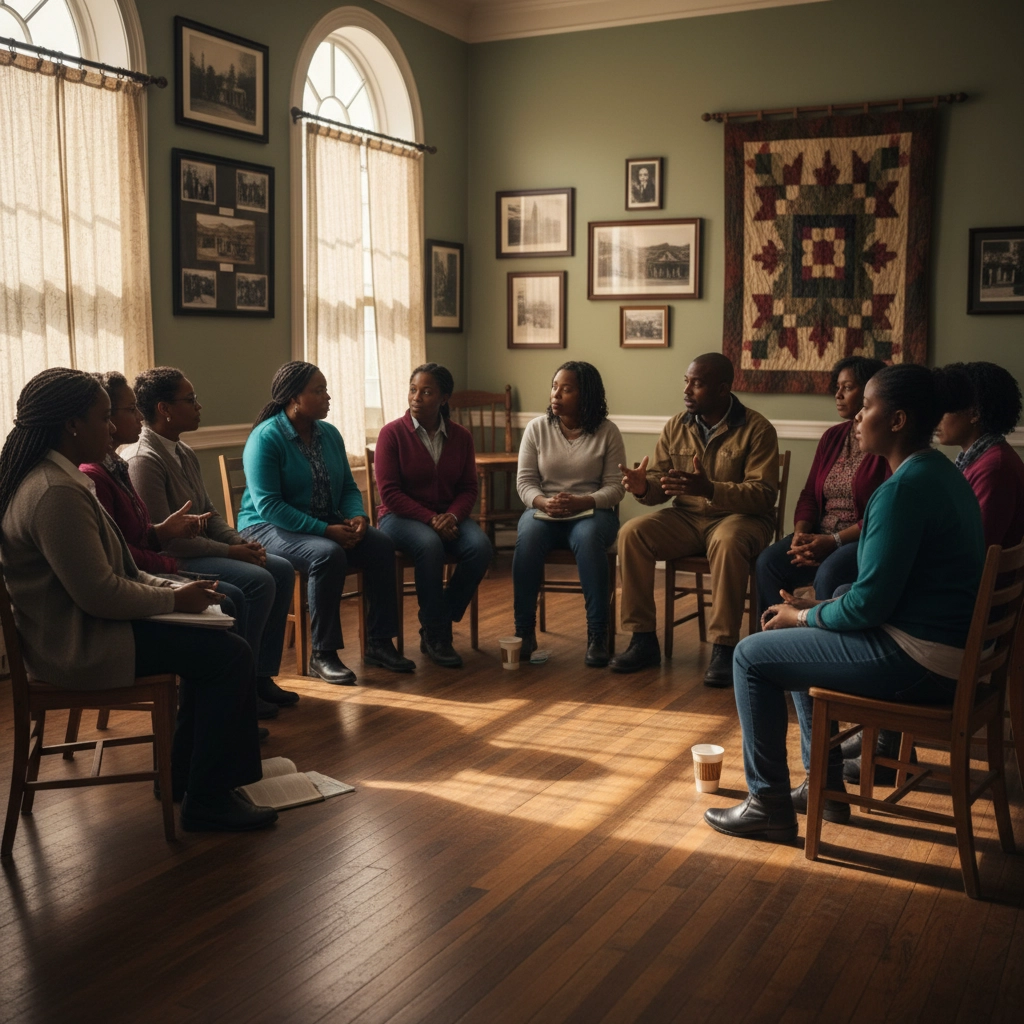
Trauma isolates people. Community healing brings them back together in spaces that prioritize safety and trust. These aren't casual social gatherings: they're intentionally designed spaces where residents can process difficult experiences together.
Healing circles, community support groups, and culturally relevant gatherings serve this purpose. The key is consistency. People need to know when and where they can find support, week after week.
Physical safety matters too. Choose locations that feel welcoming and accessible. Consider transportation, childcare, and other barriers that might prevent participation. When people feel genuinely safe, they begin to share authentically.
Action Step: Establish regular weekly or biweekly healing circles. Start small with 6-8 people and grow organically through word of mouth.
Step 3: Build Peer Support Networks
Some of the most powerful healing happens between people who've experienced similar trauma. Peer support networks create connections where residents provide mutual understanding, encouragement, and practical help to each other.
These networks work because they're led by community members themselves, not outside professionals. When someone who's lived through similar experiences offers support, it carries different weight than advice from someone who hasn't.
Peer support reduces isolation while building social cohesion. People begin to see themselves not as victims, but as survivors with something valuable to offer others.
Action Step: Identify natural community leaders who've shown resilience through difficult times. Provide them with basic peer support training and resources to start their own support groups.
Step 4: Make Mental Health Therapy Accessible
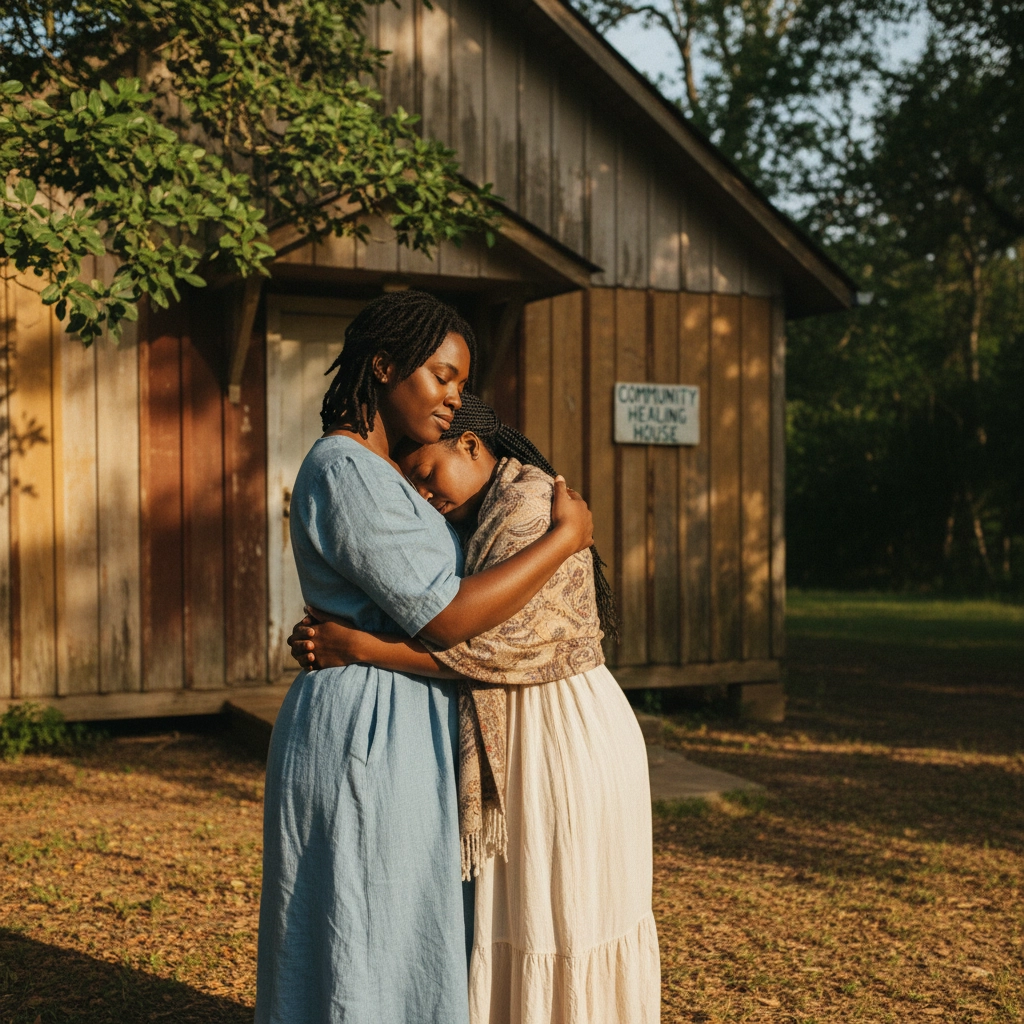
While community healing is essential, individual trauma therapy remains crucial for many residents. The challenge is making mental health services accessible, affordable, and culturally relevant.
This means going beyond hoping people will seek out therapy on their own. Effective community healing includes mobile mental health services, telehealth options, and partnerships with local clinics to provide sliding scale fees.
Cultural responsiveness matters tremendously. Mental health therapy works best when it honors the specific cultural, spiritual, and historical context of the community being served. Generic approaches often miss the mark.
Action Step: Partner with local mental health providers to bring services directly into the community. Consider hosting therapy sessions at community centers, churches, or other trusted locations.
If you're in Texas, The Mind and Therapy Clinic offers culturally competent trauma therapy that understands the intersection of individual and community healing.
Step 5: Use Creative Expression and Cultural Healing Practices
Art, music, storytelling, and cultural ceremonies provide powerful pathways for processing collective trauma. These approaches make healing accessible to people who might not connect with traditional talk therapy.
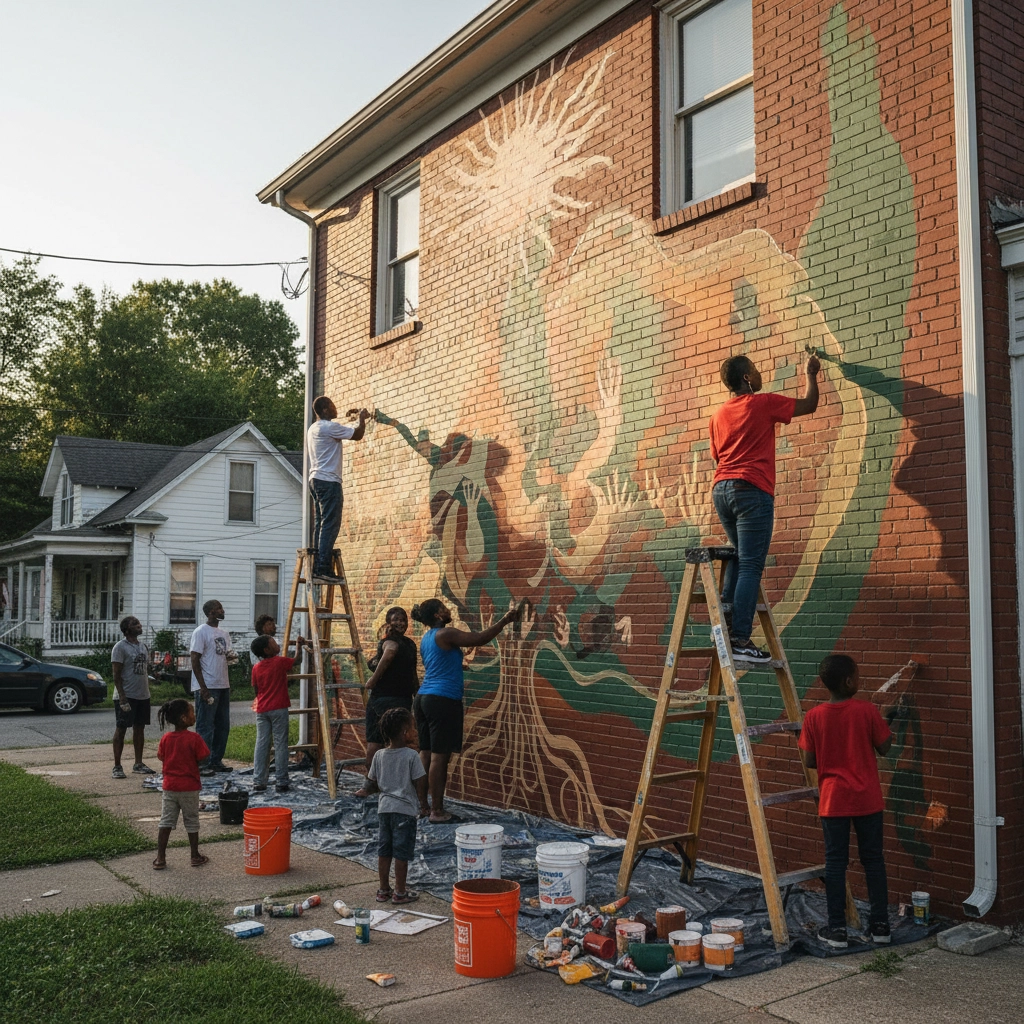
Community art projects, storytelling circles, cultural celebrations, and spiritual practices help residents reclaim their narrative. Instead of being defined by what happened to them, communities begin creating new stories about their strength and resilience.
Creative expression also builds community pride and identity. When neighborhoods create beautiful murals, host cultural festivals, or establish storytelling traditions, they're actively countering trauma's message that they're powerless.
Action Step: Partner with local artists, cultural organizations, or faith communities to organize creative healing projects. Start with one project and build from there.
Step 6: Improve Physical Environment and Infrastructure
Trauma recovery happens more easily in environments that feel safe, clean, and cared for. Broken streetlights, abandoned buildings, and neglected public spaces communicate that a community doesn't matter.
Environmental improvements: better lighting, cleaned up parks, improved housing, enhanced transportation: send the opposite message. They demonstrate that the community deserves investment and care.
This isn't just about aesthetics. When residents see concrete improvements in their neighborhood, it builds hope and collective efficacy. People begin to believe that positive change is possible.
Action Step: Start small with community clean-up days or beautification projects. Document improvements and celebrate successes to build momentum for larger infrastructure changes.
Step 7: Implement Trauma-Informed Practices Across Community Systems
True community healing requires that schools, workplaces, community centers, and service organizations understand trauma's impact and respond accordingly.
Trauma-informed practices mean training staff to recognize trauma symptoms, prioritize safety and trust, and avoid re-traumatizing people through policies or procedures. It means asking "What happened to you?" instead of "What's wrong with you?"
This systematic approach ensures that community healing extends beyond formal support groups into everyday interactions. When the grocery store clerk, the school principal, and the community center staff all understand trauma, they become part of the healing infrastructure.
Action Step: Advocate for trauma-informed training in key community institutions. Offer to connect organizations with trainers or resources to get started.
Making Community Healing Sustainable
Community healing isn't a one-time event: it's an ongoing commitment that requires sustained effort and collaboration. Success depends on community members driving the process themselves, not having solutions imposed from outside.
Start with your community's existing strengths. Every neighborhood has natural leaders, cultural assets, and informal support networks. Build on what's already working rather than starting from scratch.
Remember that healing isn't linear. Communities, like individuals, will have good days and setbacks. The goal isn't to eliminate all problems, but to build resilience and collective capacity to handle challenges together.
Taking Action Today
Community trauma recovery begins when someone takes the first step. If you're reading this and feeling called to action, start small. Reach out to one neighbor. Attend one community meeting. Suggest one improvement project.
Change happens when individuals choose to engage rather than wait for someone else to fix things. Your community's healing journey can start today.
Newsletter
Stay connected with resources for community healing and individual trauma recovery by subscribing to our newsletter.
Contact
If your community is ready to start healing or you need individual support for trauma recovery, contact The Mind and Therapy Clinic at (972) 254-4444. We offer free 15-minute consultations and understand how individual and community healing work together.
Posted in: Community Healing, Trauma Recovery
Tags: community based trauma and recovery, trauma therapy, historical trauma, mental health therapy, neighborhood healing