When trauma strikes a community, the ripple effects touch every corner of neighborhood life. From increased crime rates to declining property values, from strained relationships to broken trust, trauma doesn't just impact individuals: it transforms entire communities. But here's what many people don't realize: healing can happen the same way. When neighborhoods come together with intention and purpose, they create powerful support systems that help everyone recover and thrive.
Research shows that over 250,000 community members have participated in approximately 7,800 trauma-focused community events, demonstrating the significant impact of collective healing approaches. Community-based trauma recovery recognizes that healing isn't just an individual journey: it's a shared experience that strengthens the entire fabric of where we live, work, and raise our families.
Step 1: Build a Trauma-Informed Foundation
Every successful community healing initiative starts with understanding what trauma-informed care actually means. This isn't just a buzzword: it's a comprehensive approach that recognizes how widespread trauma affects our neighborhoods and shapes how we respond to challenges.
A trauma-informed community operates on five core principles that guide every interaction and program. Safety comes first, ensuring both physical and emotional security for all community members. This means creating spaces where people feel protected from re-traumatization and can participate without fear of judgment or harm.
Trustworthiness requires transparency in how decisions get made and programs get run. When community members understand processes and see consistent follow-through, they're more likely to engage meaningfully in healing initiatives.
Empowerment shifts the focus from "fixing" people to supporting their own healing journey. Instead of imposing solutions from outside experts, trauma-informed communities adopt a "doing with" approach rather than "doing to" residents. This means involving community members in planning, implementing, and evaluating programs that affect their lives.
Collaboration recognizes that no single organization or individual has all the answers. Effective trauma recovery requires partnerships between residents, service providers, faith communities, schools, and local businesses working together toward shared goals.
Finally, cultural awareness acknowledges that historical trauma and systemic barriers affect different communities in unique ways. Programs must respect and integrate cultural practices, languages, and beliefs that matter to residents.
These principles improve communication while decreasing risks of re-traumatization during recovery efforts. When schools, workplaces, and community centers integrate trauma-informed practices, they create environments where everyone can access support and contribute to collective healing.
Step 2: Establish Peer Support Networks
One of the most powerful tools for trauma recovery costs nothing but creates immeasurable value: peer support. When trauma survivors connect with others who share similar experiences, they discover they're not alone in their struggles. These connections become lifelines that sustain people through their darkest moments and celebrate progress along the way.
Research consistently shows that social support stands as probably the single most important factor that reduces the long-term impact of trauma. Peer support networks create safe spaces where community members can share their experiences, discuss ongoing challenges, and exchange practical coping strategies that actually work in real-world situations.
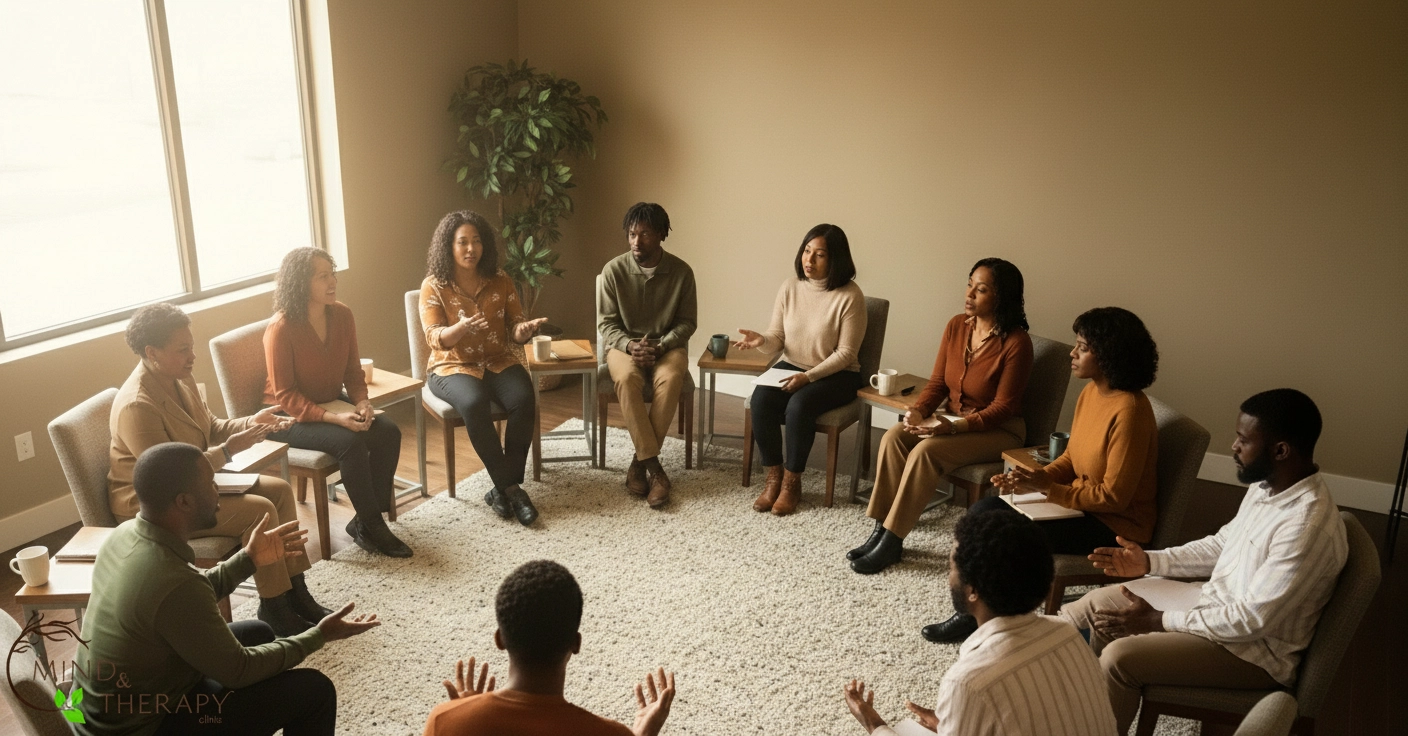
Regular gatherings provide trauma survivors with supportive environments where healing becomes a shared experience. Support groups function as powerful spaces where individuals can rebuild self-worth and discover new pathways to emotional wellness. These groups work because they're built on mutual understanding: participants inherently grasp the challenges others face because they've walked similar paths.

Creating effective peer support networks requires identifying reliable community members who can facilitate groups, establishing consistent meeting times and accessible locations, and ensuring diversity in programming. Consider forming multiple types of support groups tailored to different needs: youth circles, adult survivor groups, family support networks, and specialized groups for specific types of trauma.
The key is consistency and accessibility. Groups that meet regularly in familiar, comfortable spaces tend to build stronger connections and see better outcomes. Many successful networks start small with just a few committed participants and grow organically as word spreads about their value.
Step 3: Develop Accessible Mental Health Services
While peer support provides crucial connection and understanding, many trauma survivors also need professional mental health services. Unfortunately, traditional therapy often remains inaccessible due to cost, location, cultural barriers, or long waiting lists. Community-based trauma recovery addresses these gaps by bringing services directly to neighborhoods where people live and work.
Accessible community-based mental health services take many forms. Mobile clinics can reach underserved areas where transportation creates barriers to care. Telehealth options connect people with therapists despite geographic or mobility limitations. Outreach programs actively identify and connect individuals who might not seek help on their own.
The Los Angeles County Department of Mental Health demonstrates this approach by funding nine region-based community partnerships designed to enhance local capacity for addressing trauma among diverse populations, including children, youth, and older adults. These partnerships recognize that effective trauma therapy must be both clinically sound and culturally relevant.
Community-based trauma programs should offer multiple types of support tailored to residents' unique needs. This might include trauma-sensitive yoga classes that focus on safe body movements suitable for recovery, educational workshops that raise awareness about trauma and its effects, or creative expression programs that encourage healing through art, music, or writing.
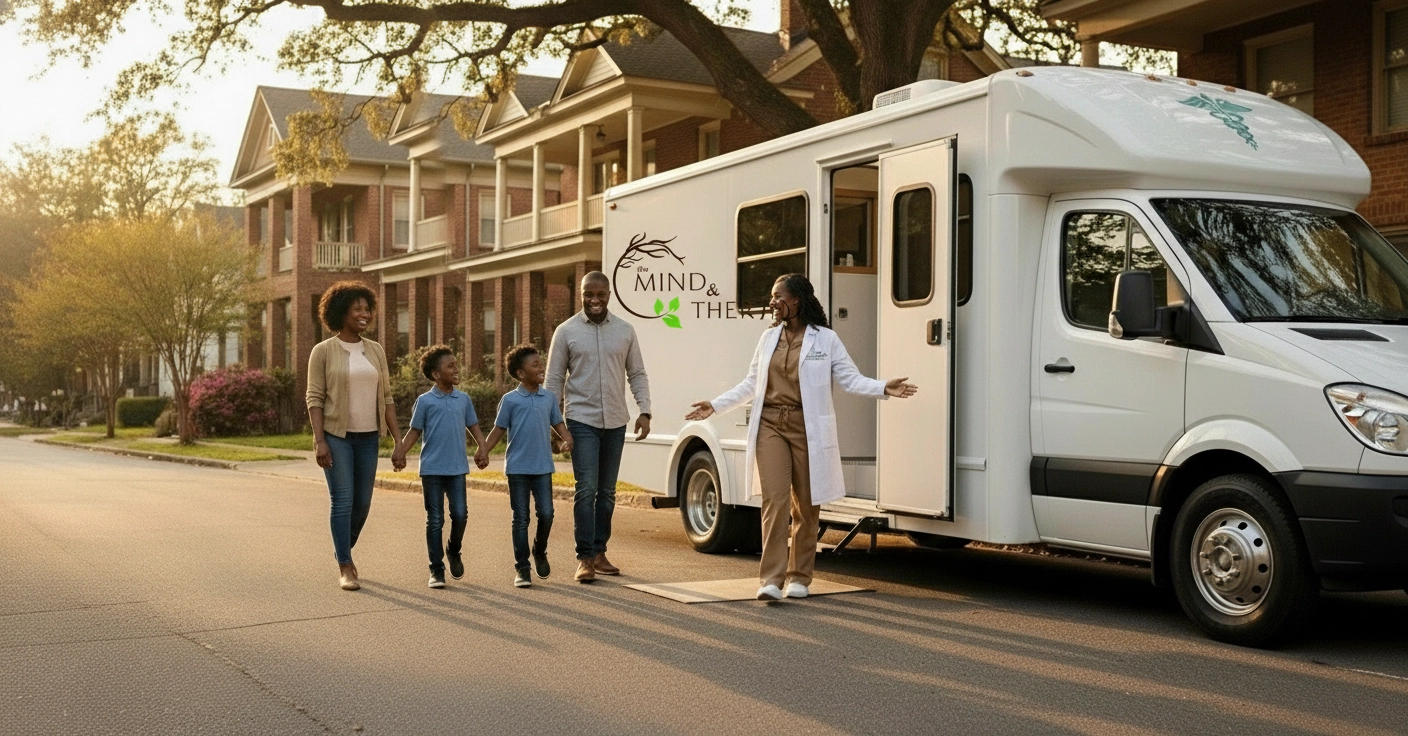
These services work best when they reflect the community's cultural context and integrate traditional healing practices that resonate with local populations. By pooling resources and establishing partnerships with healthcare providers and local organizations, communities can create comprehensive support systems that promote sustainable healing.
Step 4: Foster Collaborative Partnerships
Effective community-based trauma recovery requires collaboration across multiple sectors and organizations. No single group: whether it's a mental health clinic, school district, faith community, or resident association: can address trauma's complex effects alone. Collaborative partnerships amplify reach, bring diverse perspectives, enable resource sharing, and create collective impact that transforms entire neighborhoods.
Successful partnerships engage various stakeholders including healthcare providers, schools, faith-based organizations, local businesses, and government agencies in building trauma-responsive systems. These collaborations facilitate capacity building by equipping local leaders with necessary skills and resources while identifying and leveraging existing community strengths.
Community-led efforts prove most effective when residents participate actively in planning and implementation rather than having solutions imposed from outside. This approach empowers people and fosters the sense of agency that's essential for long-term sustainability. When community members help design programs that affect their lives, those programs are more likely to meet actual needs and maintain community support.
Effective partnerships also require clear communication, shared goals, and mutual respect among different organizations and community groups. Regular meetings, transparent decision-making processes, and celebration of joint successes help maintain momentum and strengthen relationships over time.
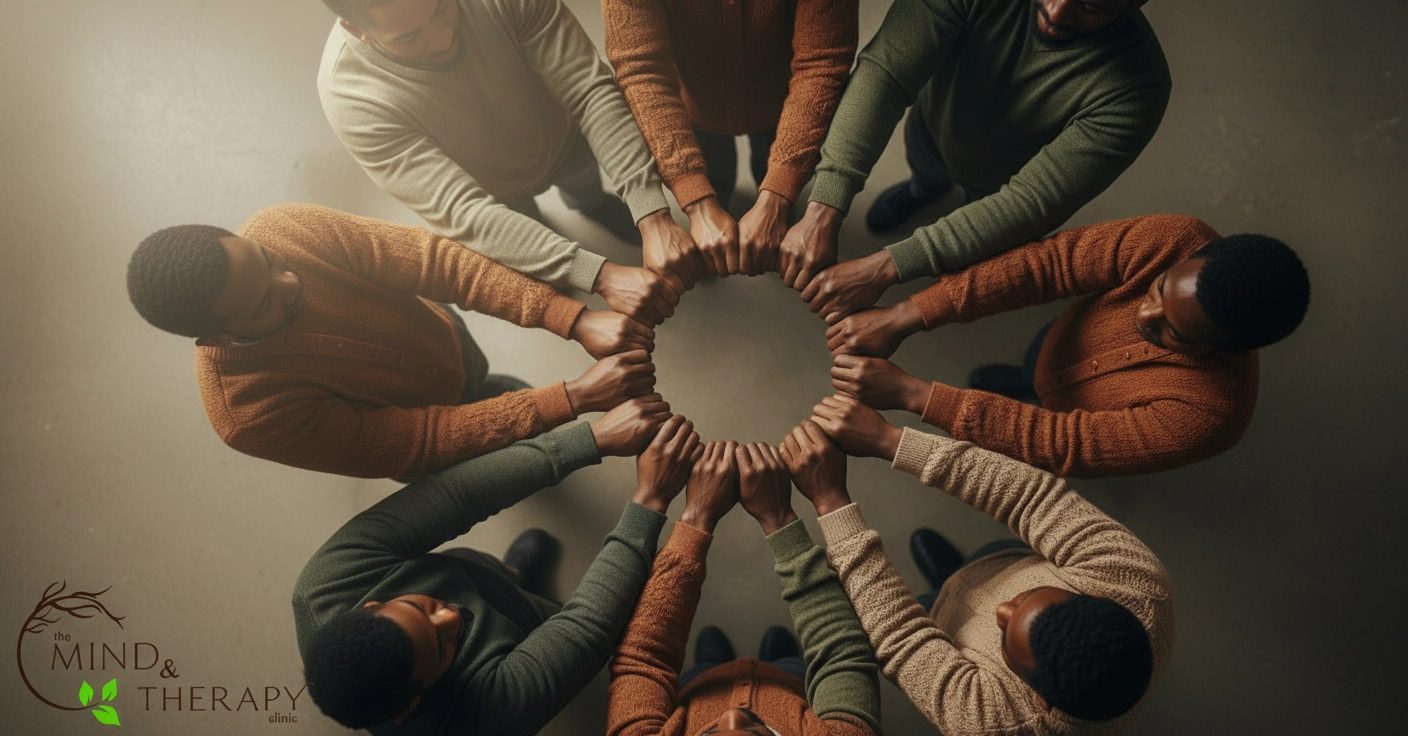
These collaborative efforts create unified movements that transform individual initiatives into comprehensive community responses capable of meaningful, lasting change.
Step 5: Integrate Cultural and Spiritual Healing Practices
Many communities possess rich traditions of cultural and spiritual healing practices that offer profound support for trauma recovery. These might include traditional ceremonies, storytelling circles, spiritual rituals, or culturally-specific approaches to understanding and processing difficult experiences. Integrating these practices into trauma recovery efforts makes healing more accessible and culturally relevant for diverse populations.
Cultural and spiritual healing practices honor the wisdom embedded within communities and recognize that trauma recovery must respect people's journey toward wholeness. These approaches often provide frameworks for understanding suffering, finding meaning, and rebuilding connection that complement evidence-based therapeutic approaches rather than competing with them.
Communities should identify local cultural leaders, traditional healers, and spiritual guides who can contribute their expertise to recovery programs. This might involve incorporating indigenous healing circles, faith-based support groups, cultural celebration events that rebuild community bonds, or storytelling initiatives that honor survivors' experiences while creating collective narratives of resilience.
By weaving cultural practices throughout all trauma recovery initiatives, communities create healing spaces that feel authentic and welcoming to residents from diverse backgrounds. This integration acknowledges that healing occurs not just through clinical interventions but through the restoration of cultural identity, spiritual connection, and communal belonging that trauma often disrupts.
Moving Forward Together
Community-based trauma recovery isn't a quick fix or simple solution. It requires sustained commitment, ongoing resources, and the willingness to adapt approaches based on what works for your specific neighborhood. But when communities invest in these five steps: building trauma-informed foundations, establishing peer support networks, developing accessible services, fostering collaborative partnerships, and integrating cultural practices: they create environments where healing becomes possible for everyone.
The journey toward community healing starts with recognizing that trauma affects all of us, directly or indirectly. By working together, neighborhoods can transform from places where trauma divides us into communities where shared healing brings us closer together.
If you're ready to begin this journey in your community, start by connecting with others who share your vision. Whether you're a resident, service provider, or community leader, your voice and participation matter in creating the change your neighborhood needs.
Contact Mind and Therapy Clinic at https://mindandtherapyclinic.com to learn more about community-based trauma recovery services and how we can support your neighborhood's healing journey.